
Plan twenty A-tier cities
Eighty focused English guides turn the city atlas into practical next steps without losing cultural context. Start with the question you are trying to answer.
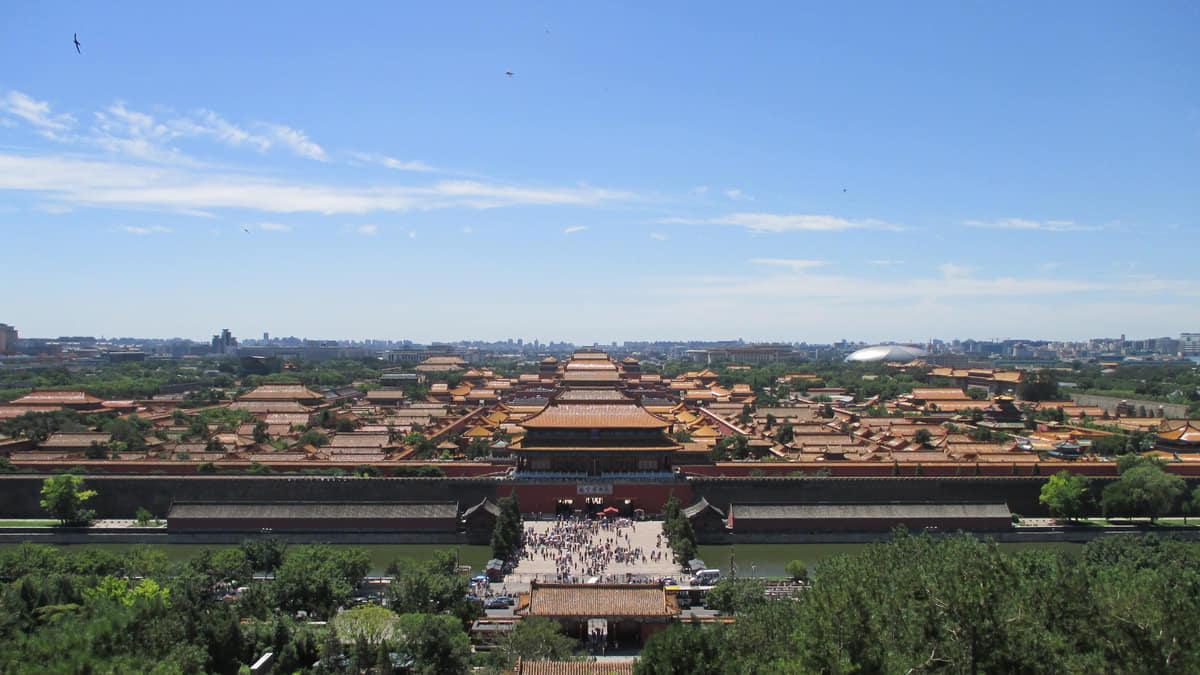
Beijing
A capital whose ceremonial axis, neighborhood lanes, institutions, and everyday routines reveal many layers of Chinese urban history.
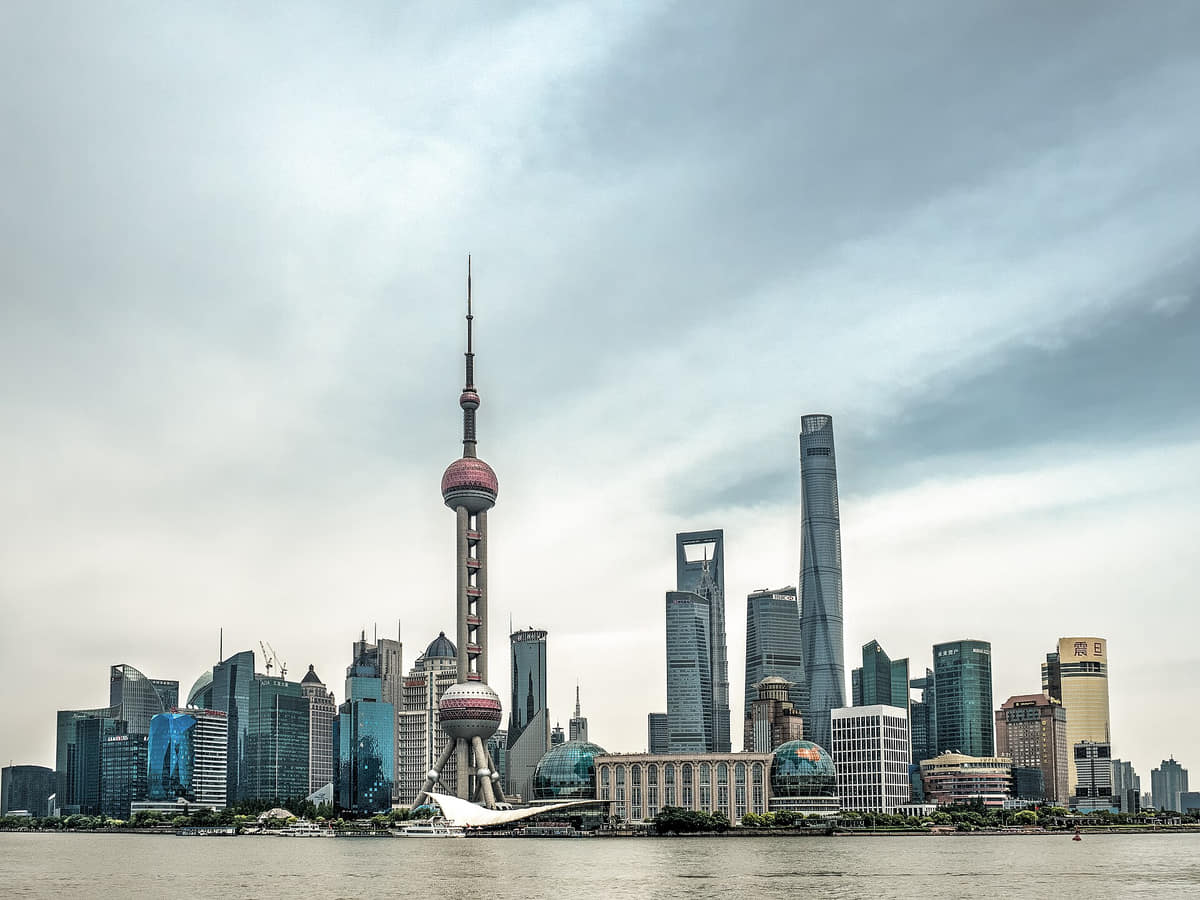
Shanghai
A port metropolis where waterfronts, lane neighborhoods, regional migration, and modern industry meet at several urban scales.
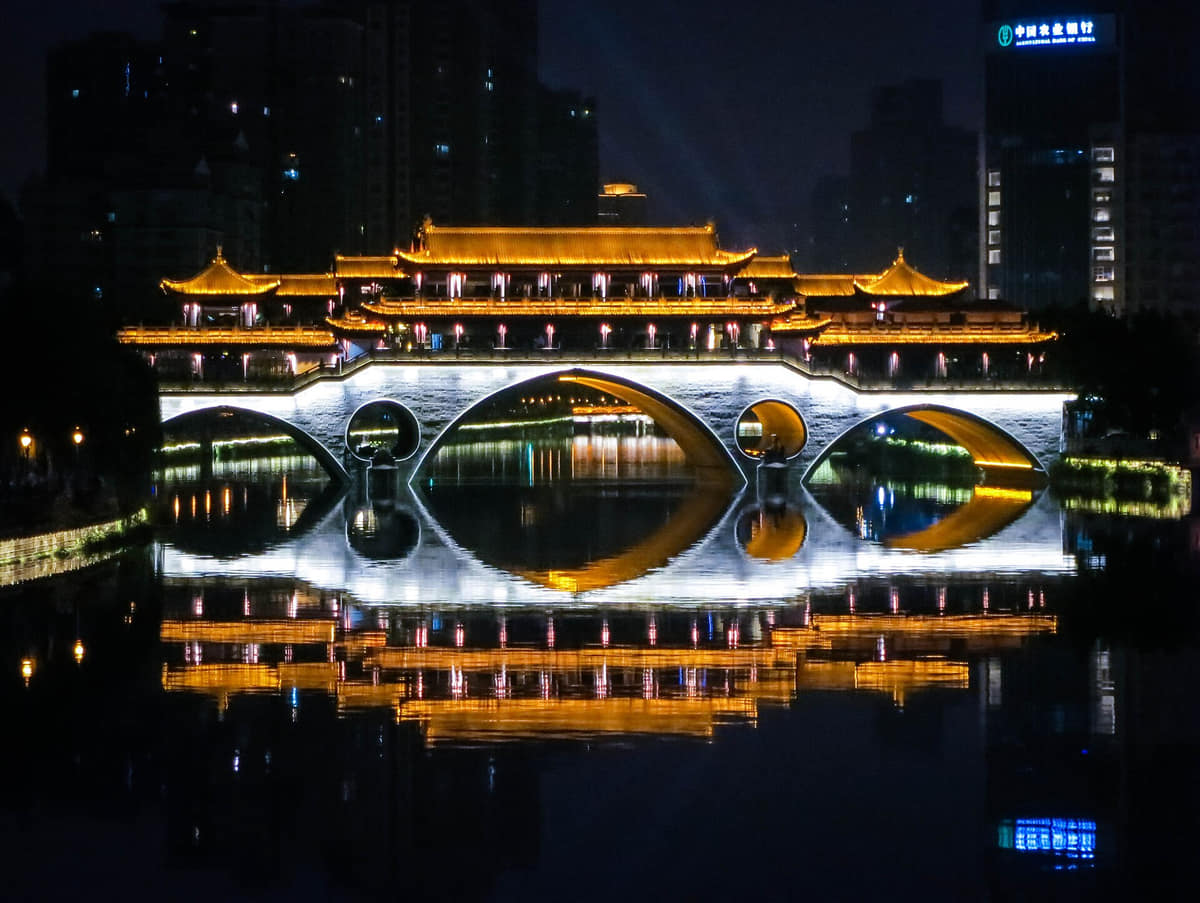
Chengdu
A basin metropolis where ancient Shu archaeology, living water systems, teahouses, Sichuan flavor, parks, and fast urban growth coexist.
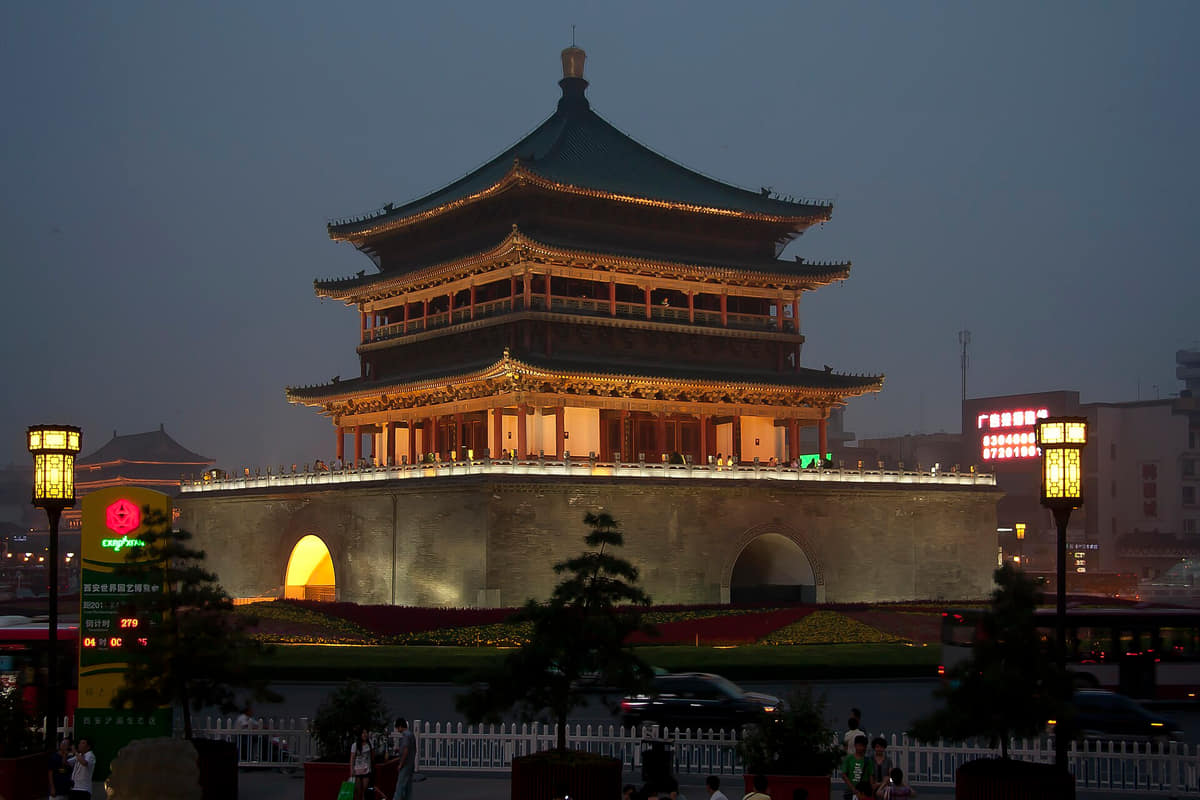
Xi’an
Xi'an is Shaanxi's capital and a 13-unit municipality on the Guanzhong Plain. Chang'an history, the Qinling edge, archaeology, neighborhood food and contemporary life extend far beyond the walled core.
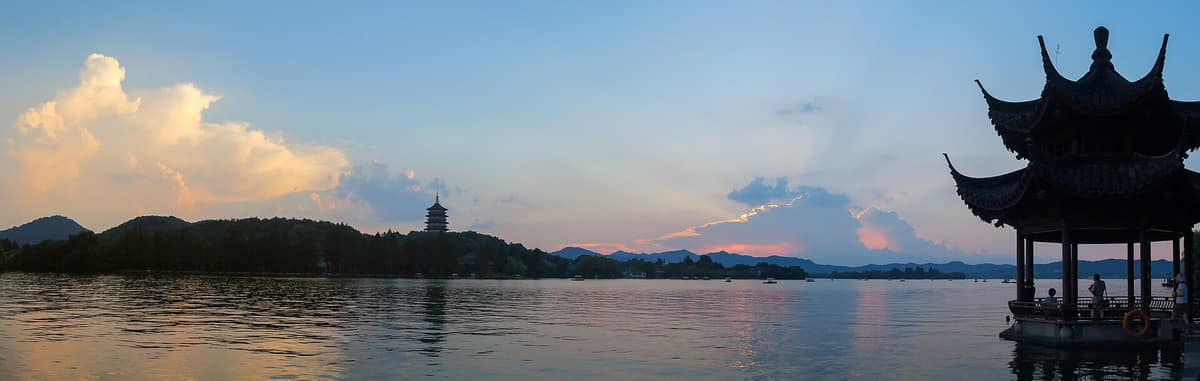
Hangzhou
A city where an influential cultural landscape, tea country, waterways, scholarship, commerce, and digital industries sit within the same metropolitan story.
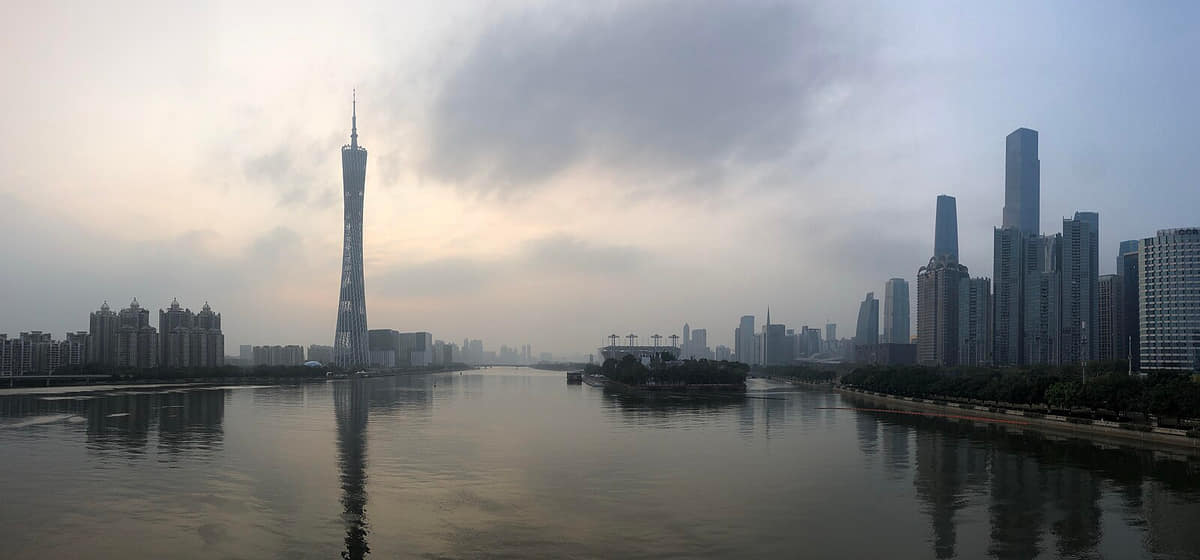
Guangzhou
A multilingual Pearl River metropolis where maritime trade, Cantonese food and performance, craft, migration, urban villages, provincial institutions, ports, manufacturing, services, and mountain-edge districts remain intertwined.
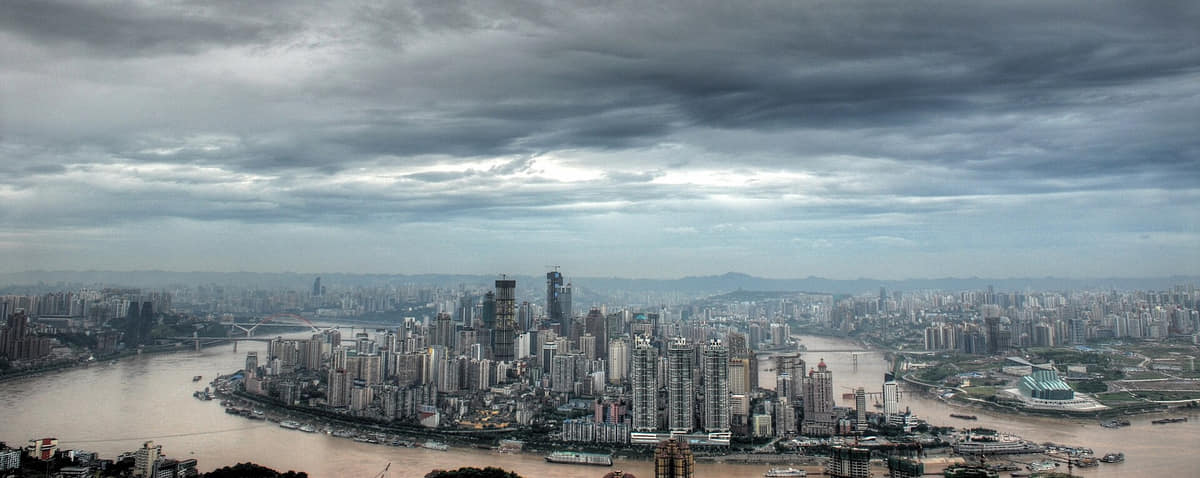
Chongqing
Chongqing is China's vertical mountain-and-river metropolis, known for hotpot, xiaomian, bridges, rail through buildings and layered streets. Its steep Yangtze–Jialing core is only one part of a province-level municipality with 37 current districts and counties.
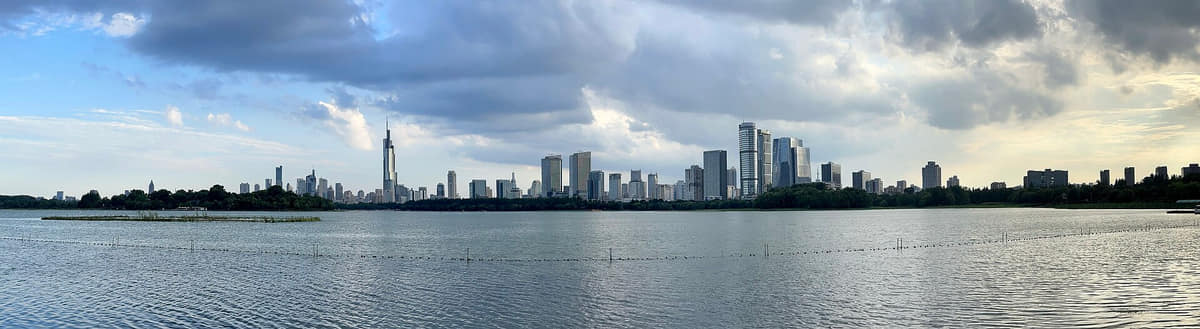
Nanjing
A lower-Yangtze metropolis where capital-city layers, hills and water, universities, museums, infrastructure, and neighborhood life remain visibly connected.
Kunming
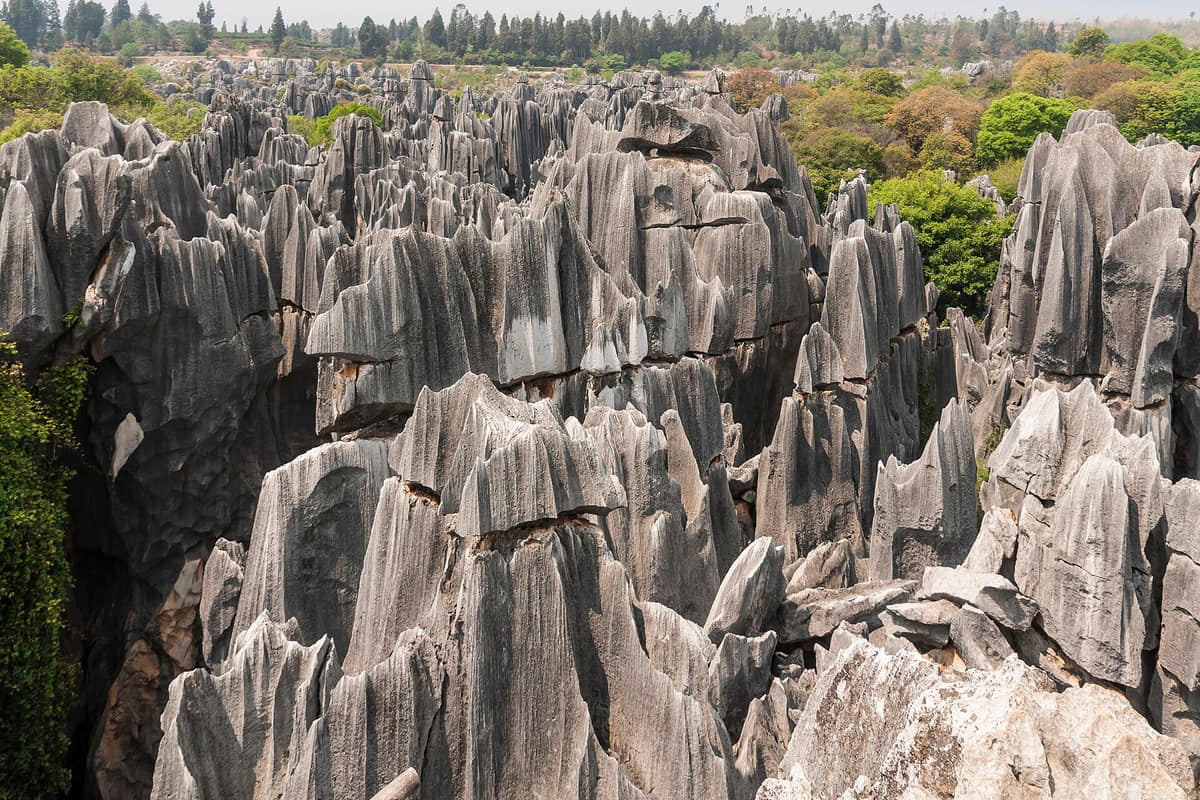
A highland lake-basin capital where mild seasons, Dianchi restoration, Yunnan-wide cultural exchange, markets, museums, food, karst, and a vast ecological municipal range converge.
Harbin
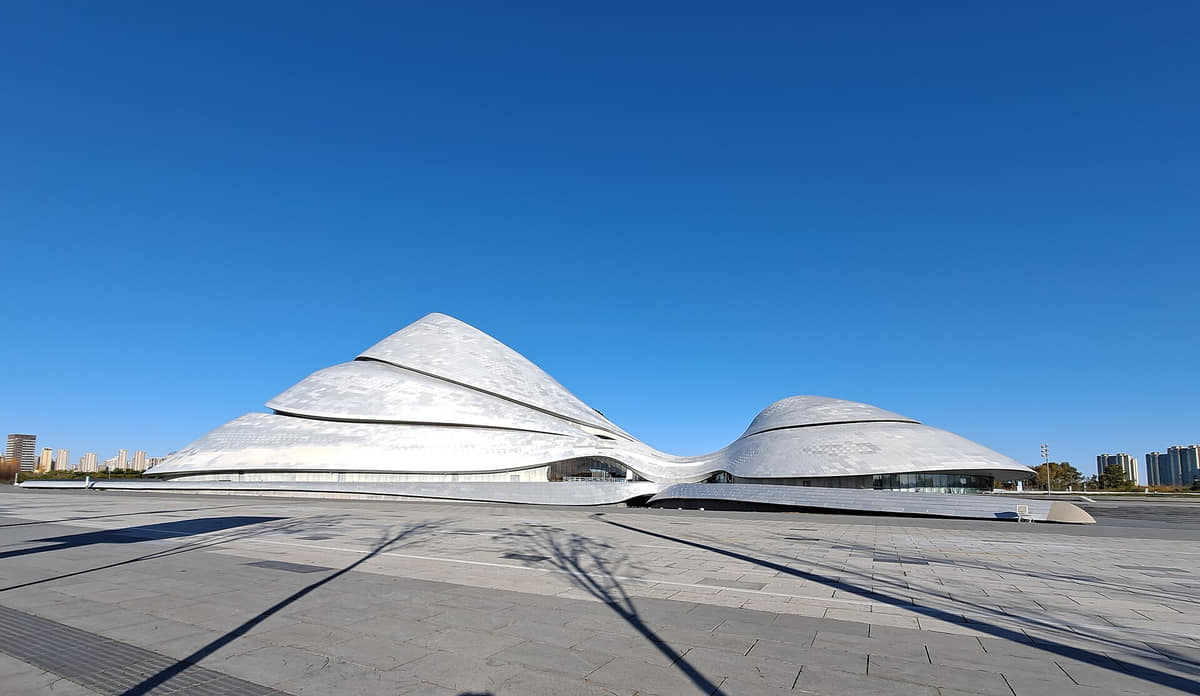
A Songhua River metropolis where railway migration, severe winter, music, layered architecture, industrial history, and large rural landscapes shape one city.
Tianjin
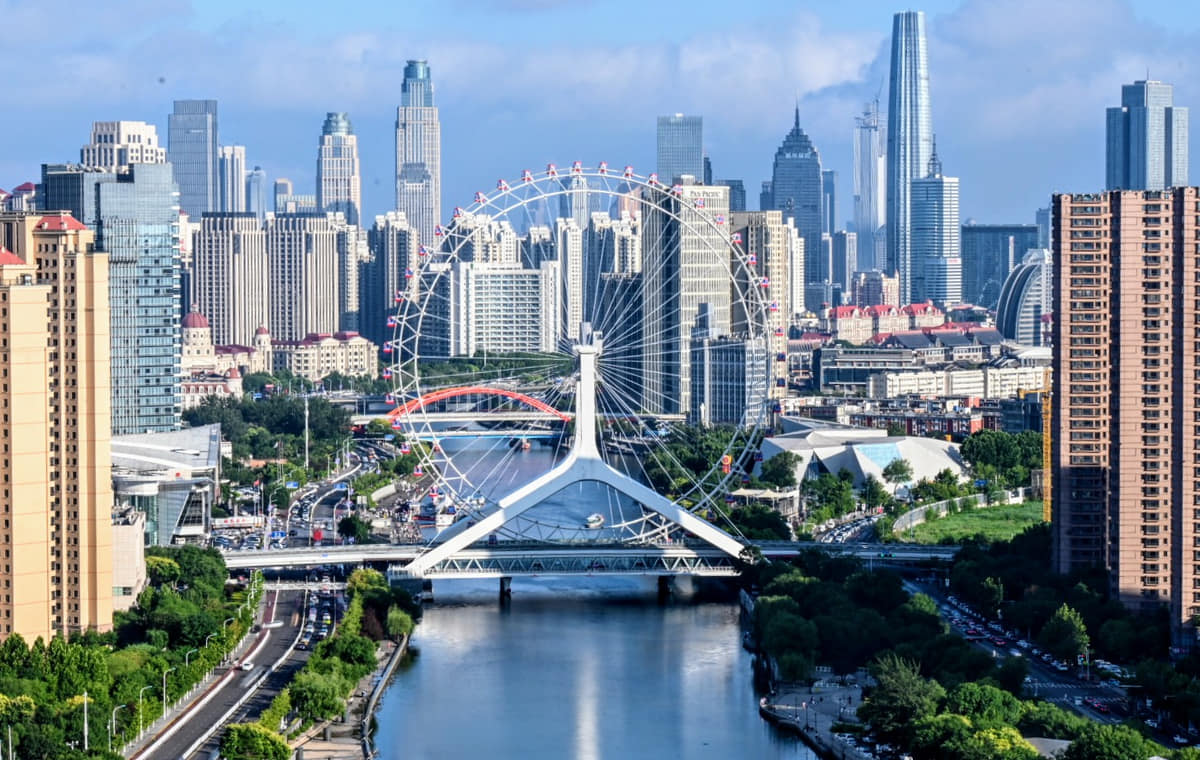
Tianjin is both a city and one of China's four province-level municipalities. Its 16 districts connect the Hai River core, Bohai port, historic neighborhoods, industry, canal towns and the Jizhou hills.
Suzhou
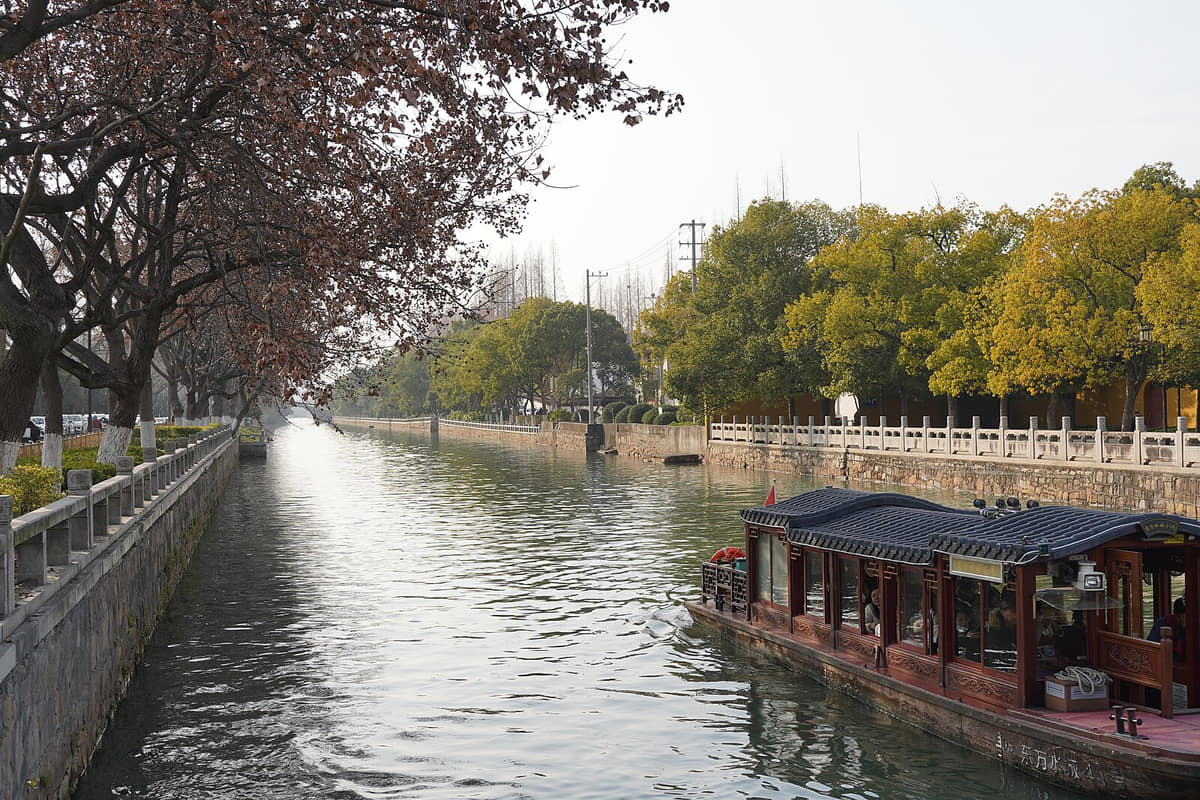
Suzhou is a municipality of several connected landscapes: the canal-lined old city, Taihu-facing districts, the eastern lake-and-industry corridor, Yangtze port towns, and four county-level cities. Treating only the gardens as 'Suzhou' hides most of the place.
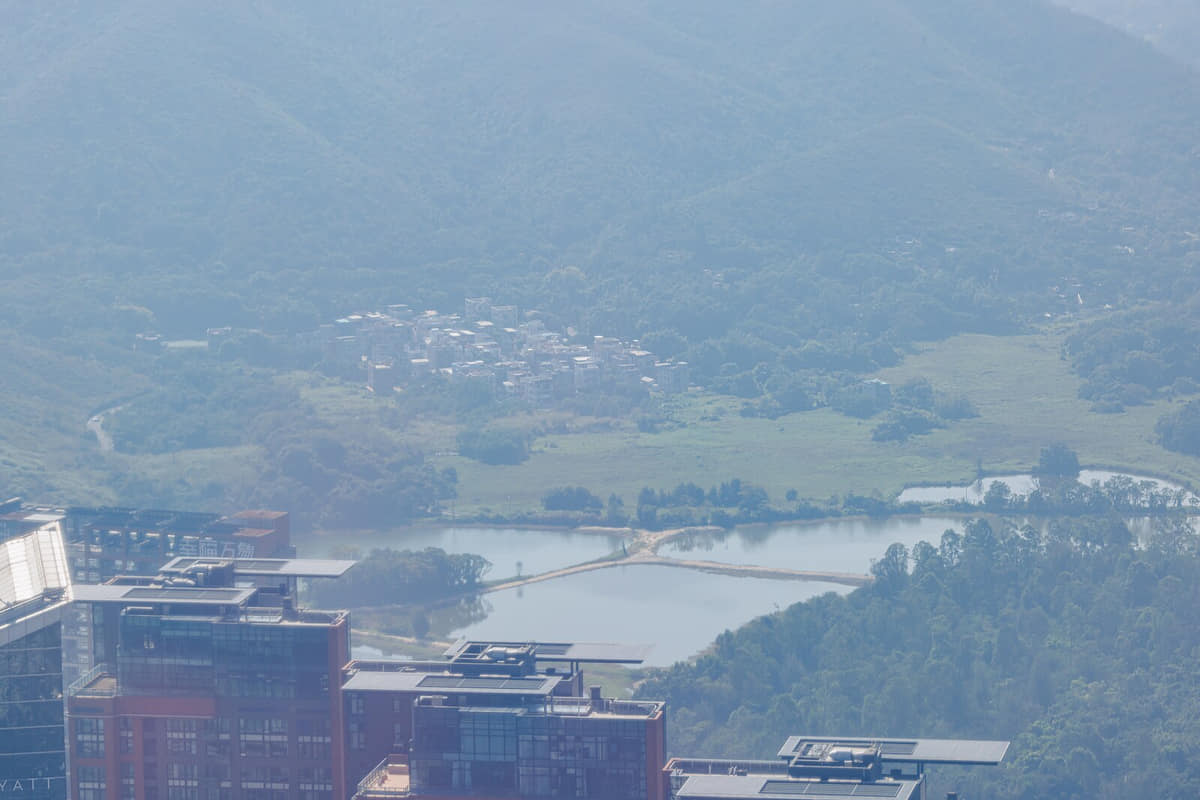
Shenzhen
Shenzhen should be read through rapid migration, former villages, factory districts, wetlands, mountain and bay systems, electronics markets, civic architecture, and successive waves of urban reinvention.
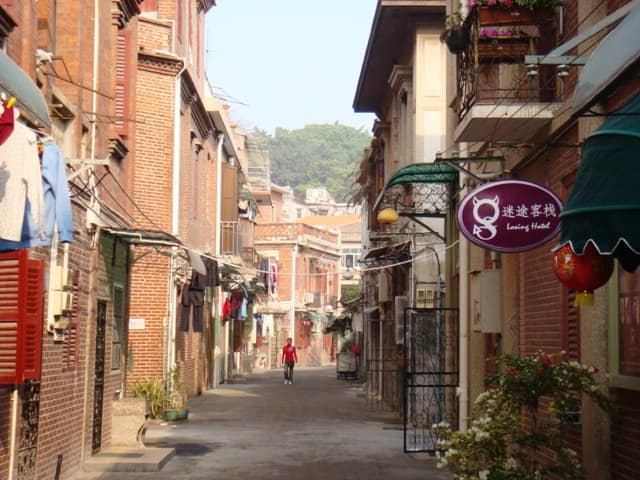
Xiamen
Xiamen is an island-and-estuary city where port trade, overseas migration, Minnan language, Gulangyu's architecture, fishing harbors, wetlands, and mainland districts must be read together.
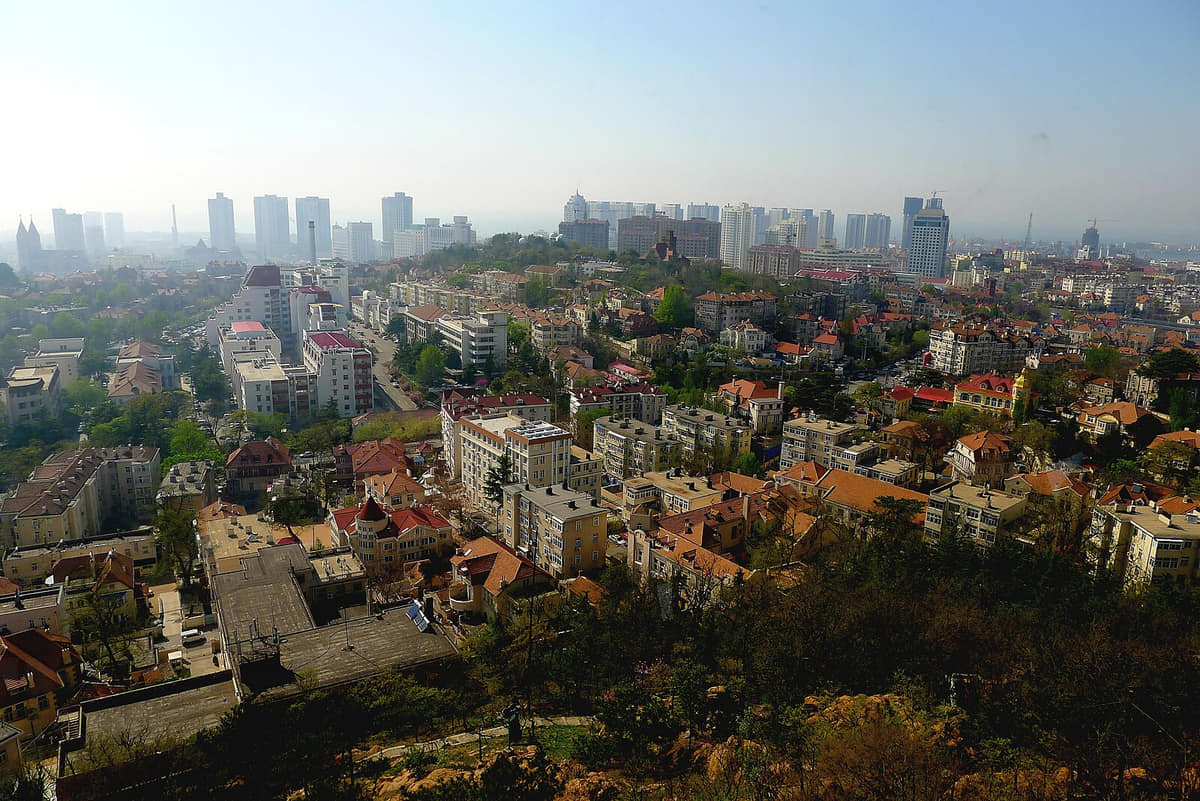
Qingdao
Qingdao's identity comes from the meeting of Jiaozhou Bay, Laoshan granite, port and industrial corridors, layered architecture, brewing, marine science, beaches, and inland agricultural counties.
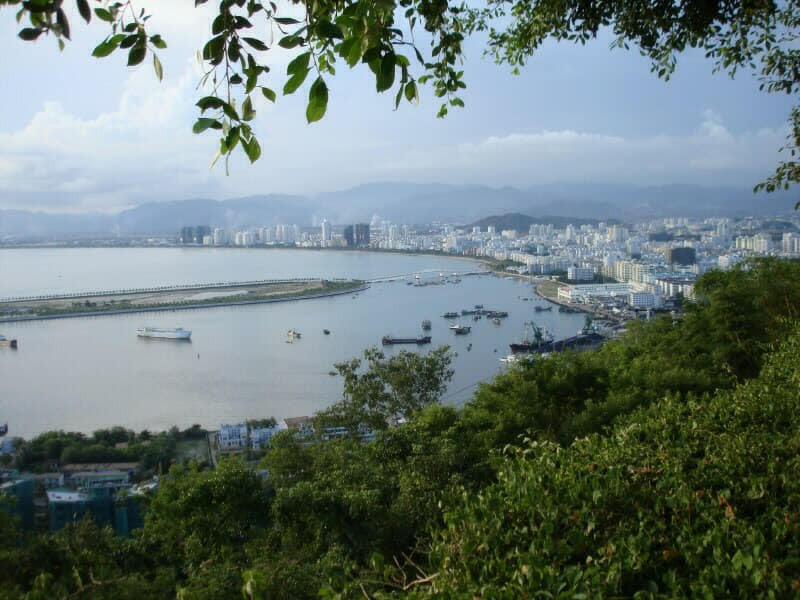
Sanya
Sanya is a four-district tropical municipality where resort bays, Yazhou's historic landscape, fishing work, Li and other community traditions, farmland, tropical forest edges, marine habitats, and rapid urban growth coexist.
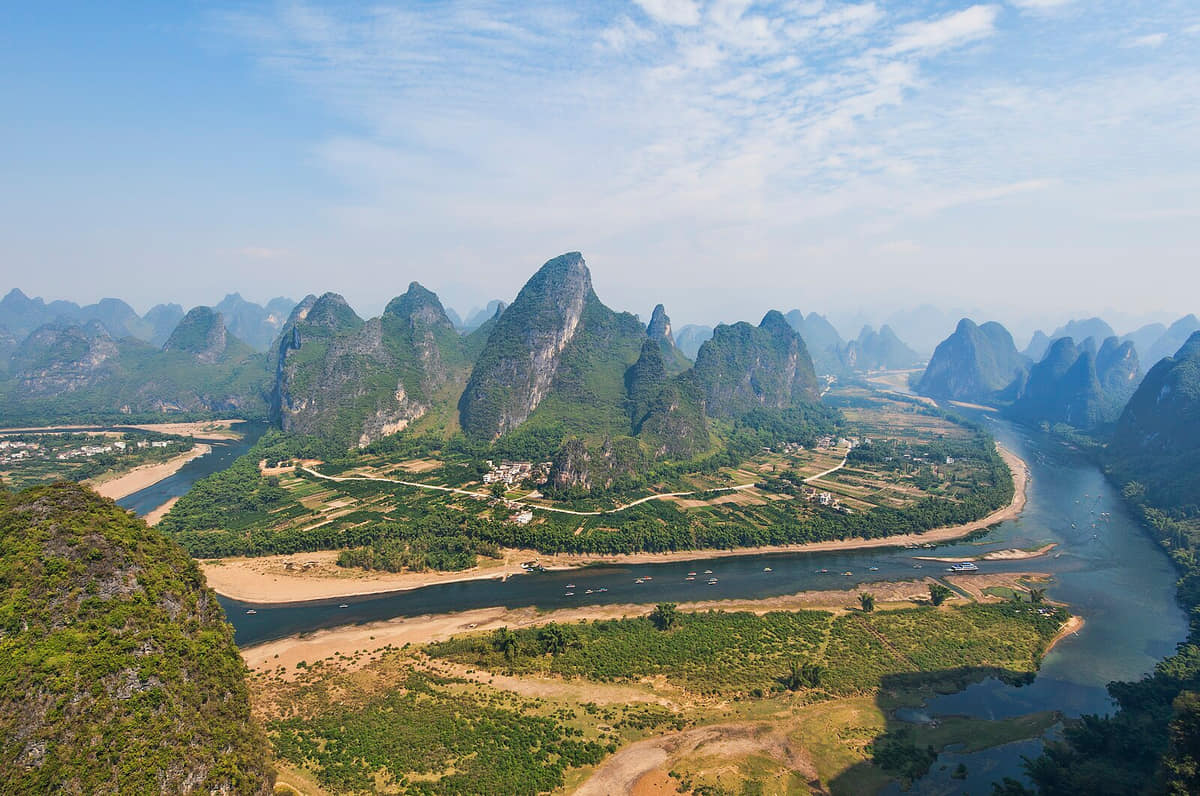
Guilin
Guilin is a large seventeen-unit municipality where the Li River's karst core, Yangshuo tourism, Longji terraces, northern county history, Zhuang and Yao community traditions, caves, farms, and market towns differ sharply.
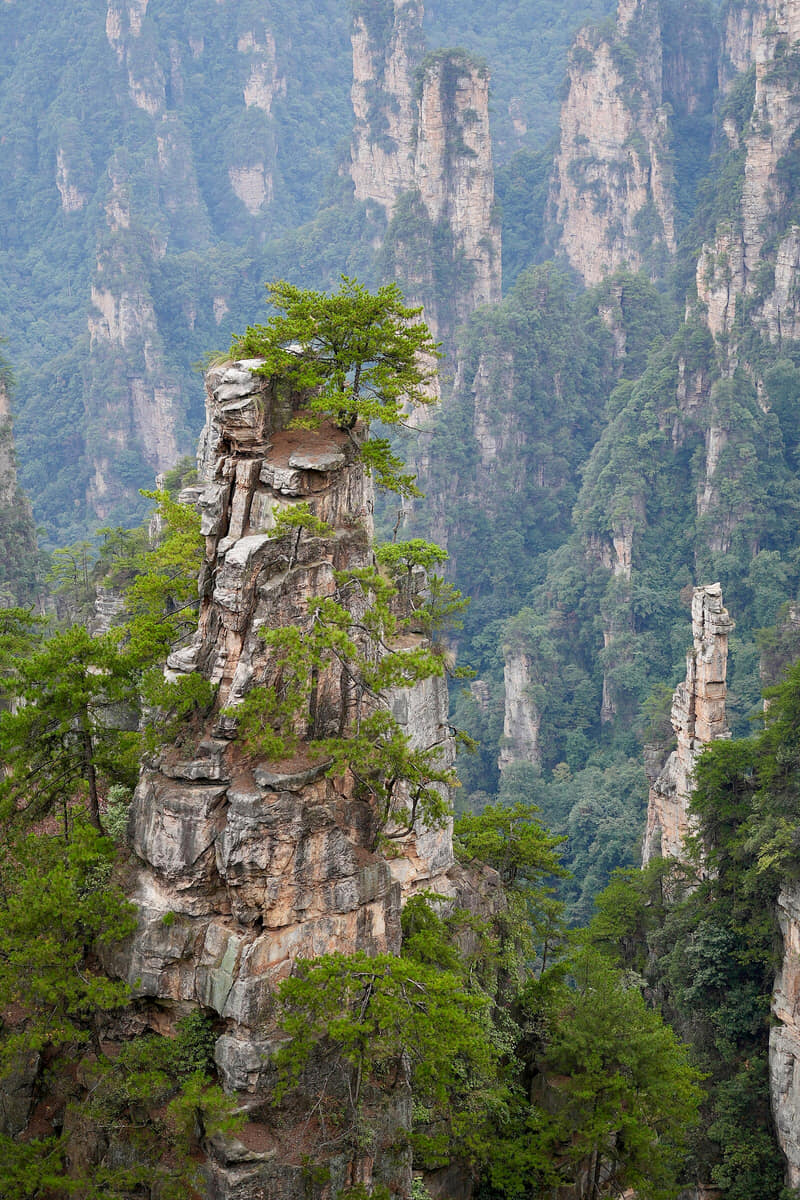
Zhangjiajie
Zhangjiajie is more than sandstone pillars: Wulingyuan's protected landscape, Tianmen Mountain, Tujia and other community traditions, Sangzhi county history, farms, forest work, tourism labor, and access constraints shape the municipality.
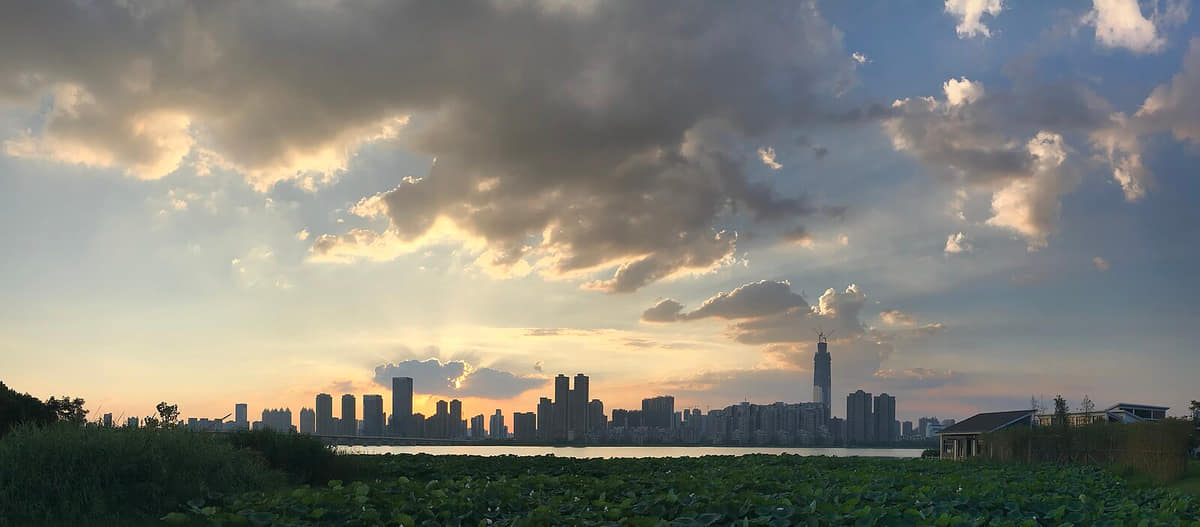
Wuhan
A river-and-lake metropolis where three historic towns, bridges and ferries, universities, industry, provincial institutions, breakfast streets, wetlands, and new centers remain visibly different.
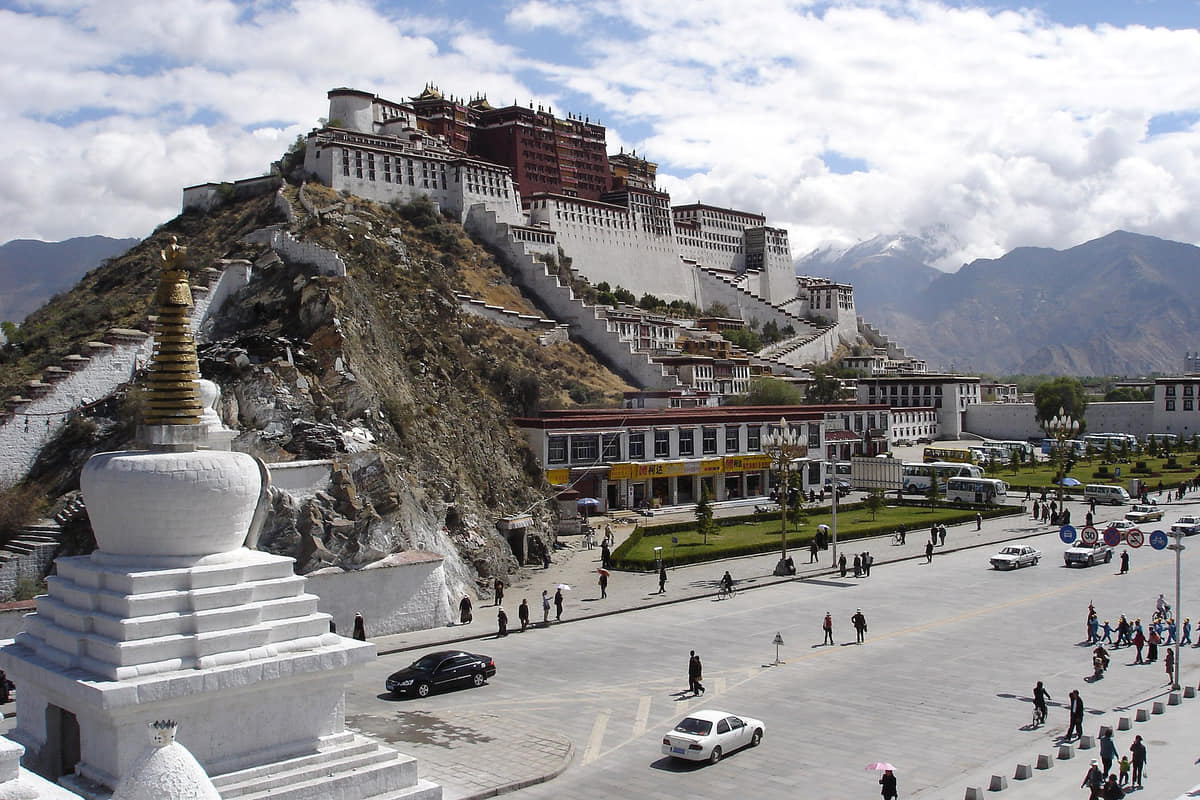
Lhasa
A high-altitude river-valley capital where living Tibetan Buddhist landscapes, homes, markets, museums, contemporary institutions, agriculture, county routes, and careful altitude adaptation coexist.