
Stories
Focused cultural questions that connect everyday life to a particular place.
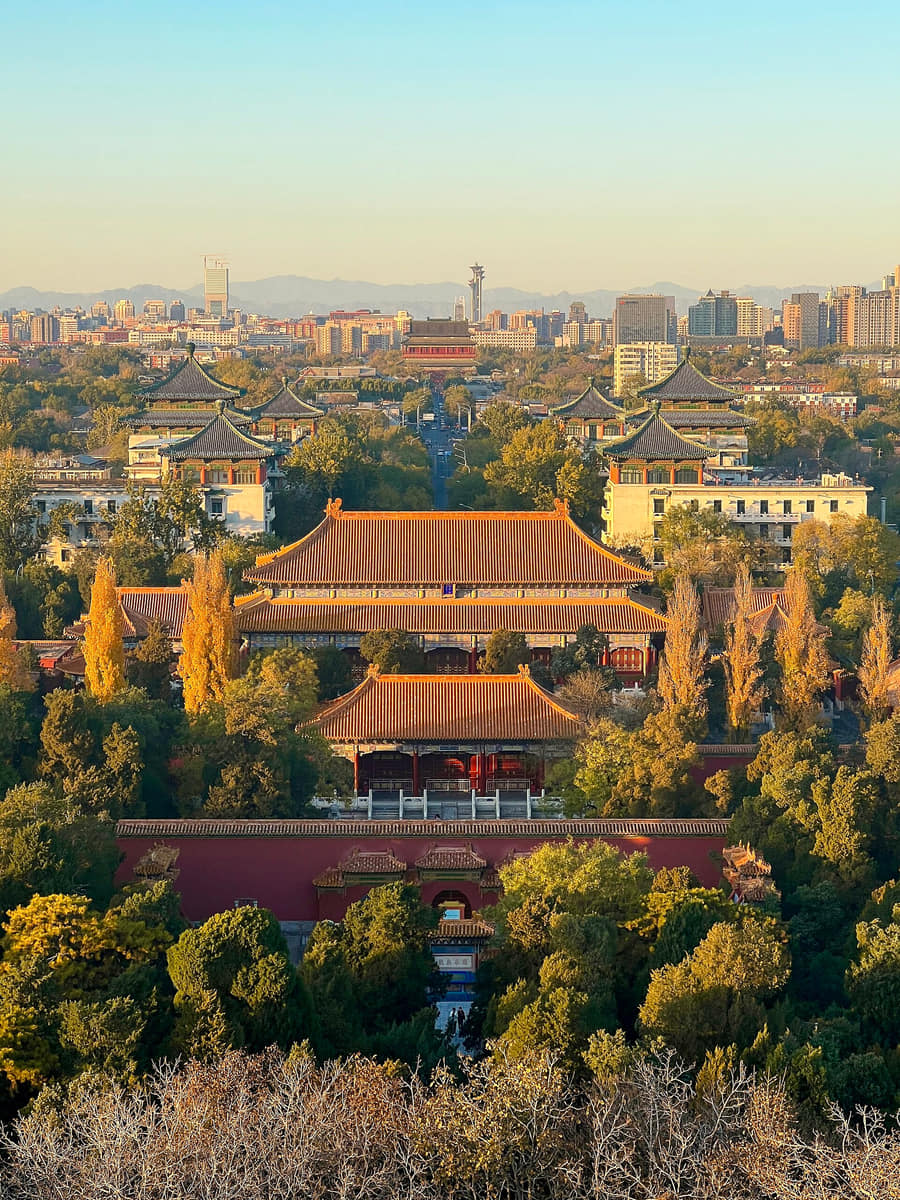 Beijing · Urban formWhy does Beijing’s Central Axis matter beyond monuments?The axis is a way to read planning ideals, ceremony, public space, neighborhood change, and the continuing structure of the capital.
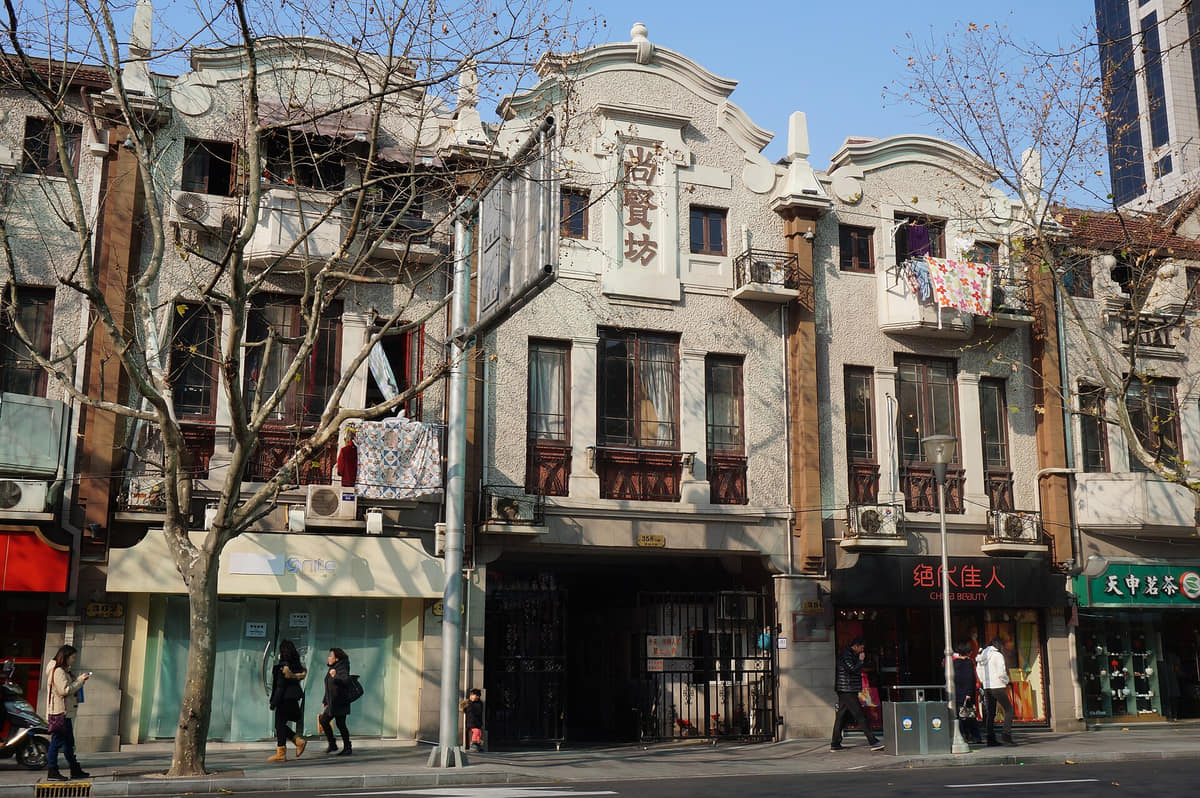 Shanghai · NeighborhoodsWhy does Shanghai feel different at street level than in its skyline?The city’s identity is formed as much by lane neighborhoods, markets, transit, and river crossings as by its most recognizable towers.
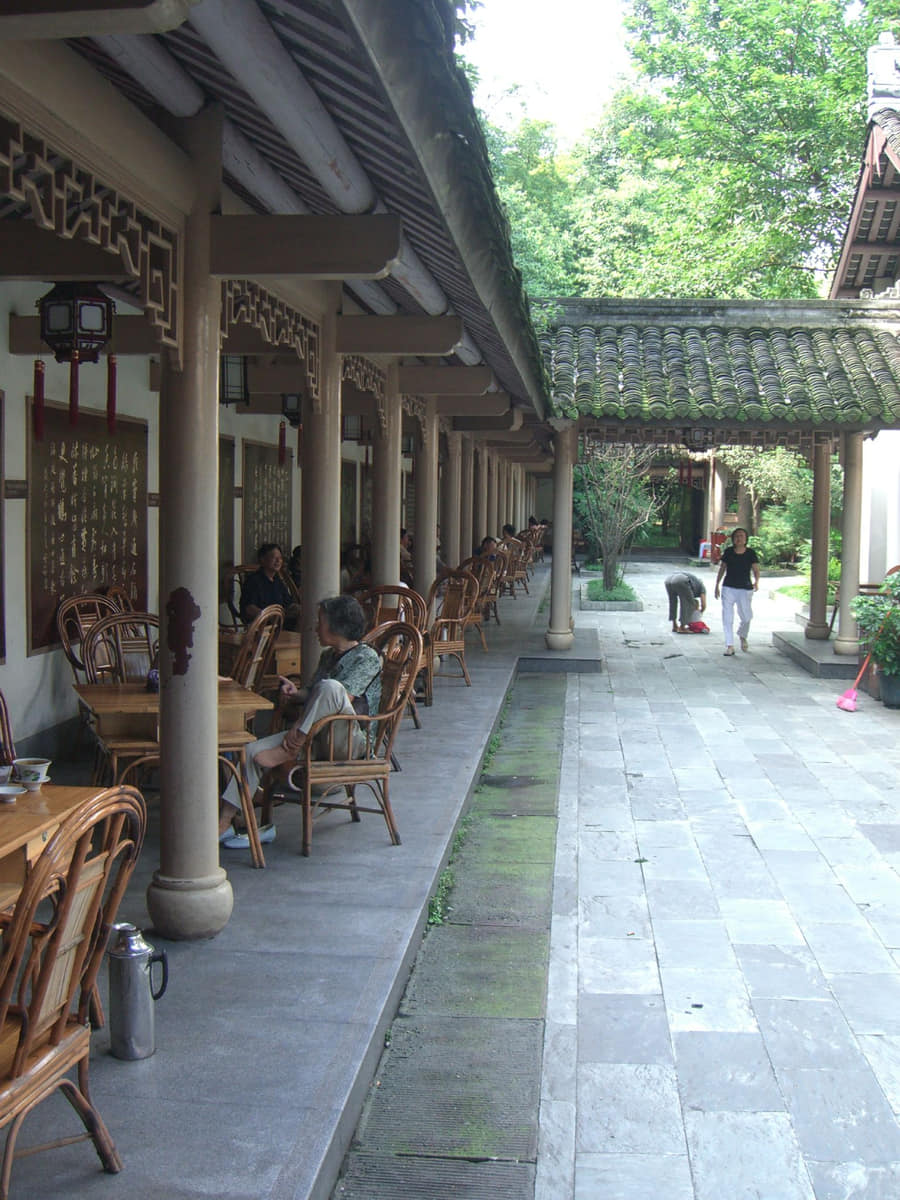 Chengdu · Daily lifeWhy do Chengdu people spend hours in teahouses?A teahouse is more than a place to drink tea. It is a public living room for observing the city, exchanging news, and passing time.
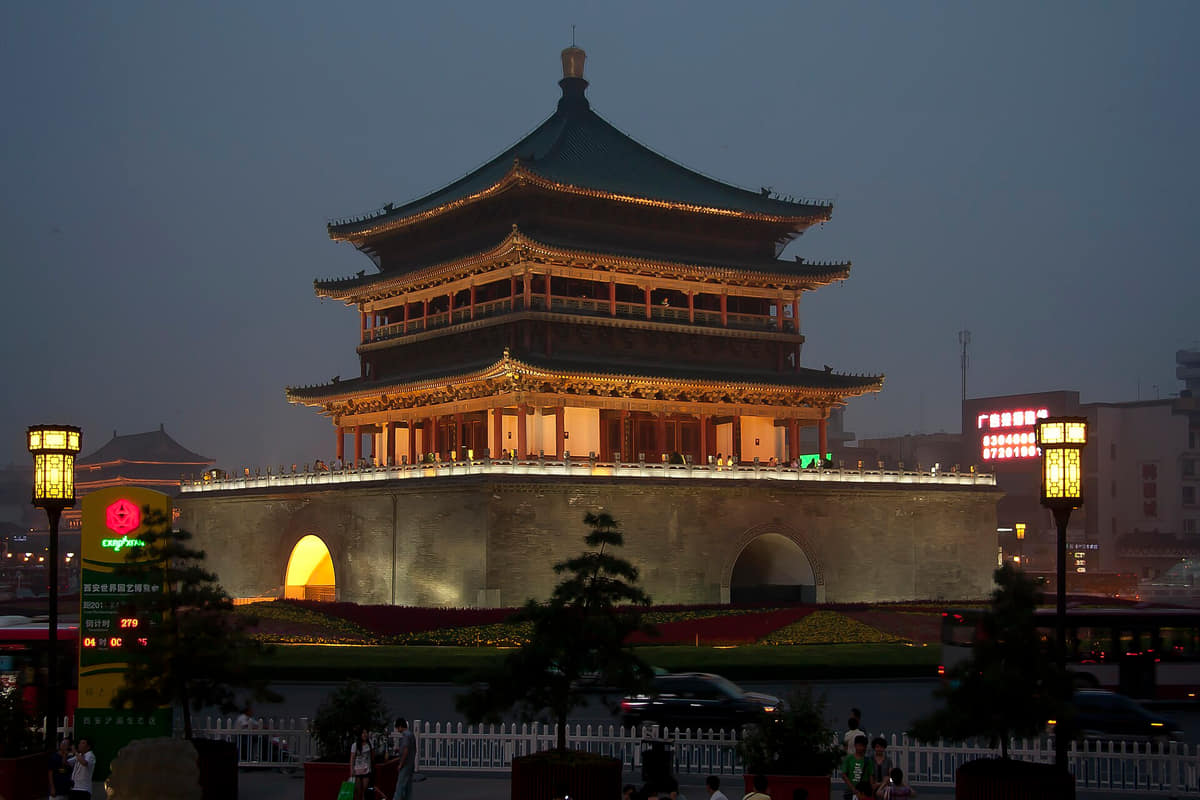 Xi’an · History and daily lifeHow does Xi’an live beside the memory of Chang’an?Ancient-capital history is visible everywhere, but it shares the city with markets, universities, transit, neighborhoods, and contemporary work.
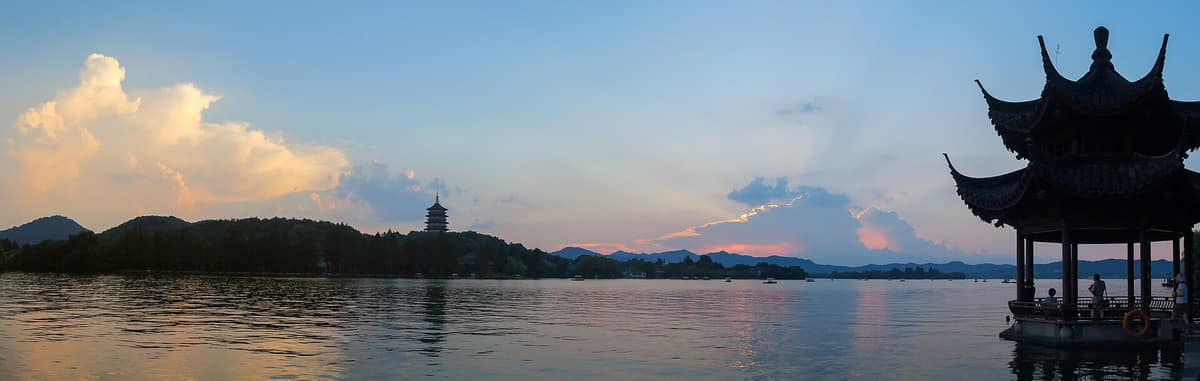 Hangzhou · Landscape cultureWhy is West Lake a cultural landscape rather than just a view?Its meaning comes from the long interaction of water, hills, causeways, gardens, temples, poetry, named scenes, and repeated acts of design.
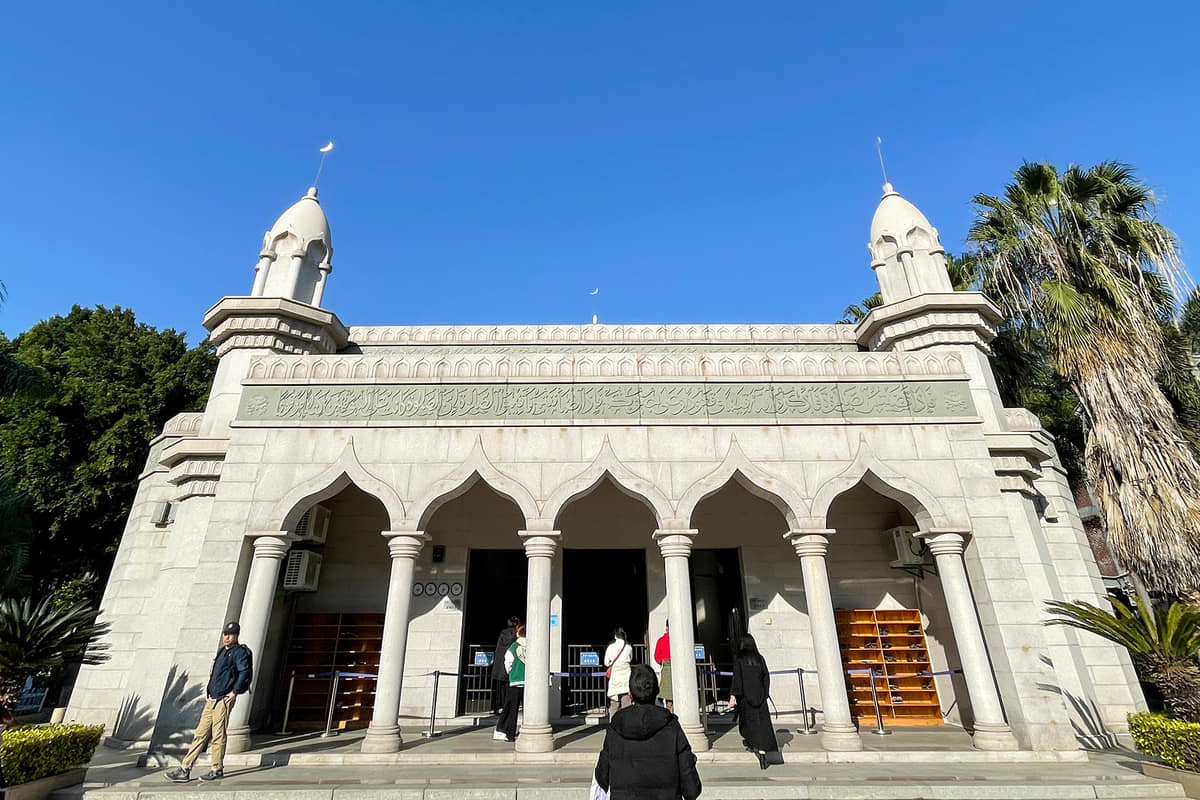 Quanzhou · Maritime exchangeWhy are so many faiths visible in Quanzhou’s old city?Religious buildings, inscriptions, rituals, and local communities make centuries of maritime movement and adaptation visible at street level.
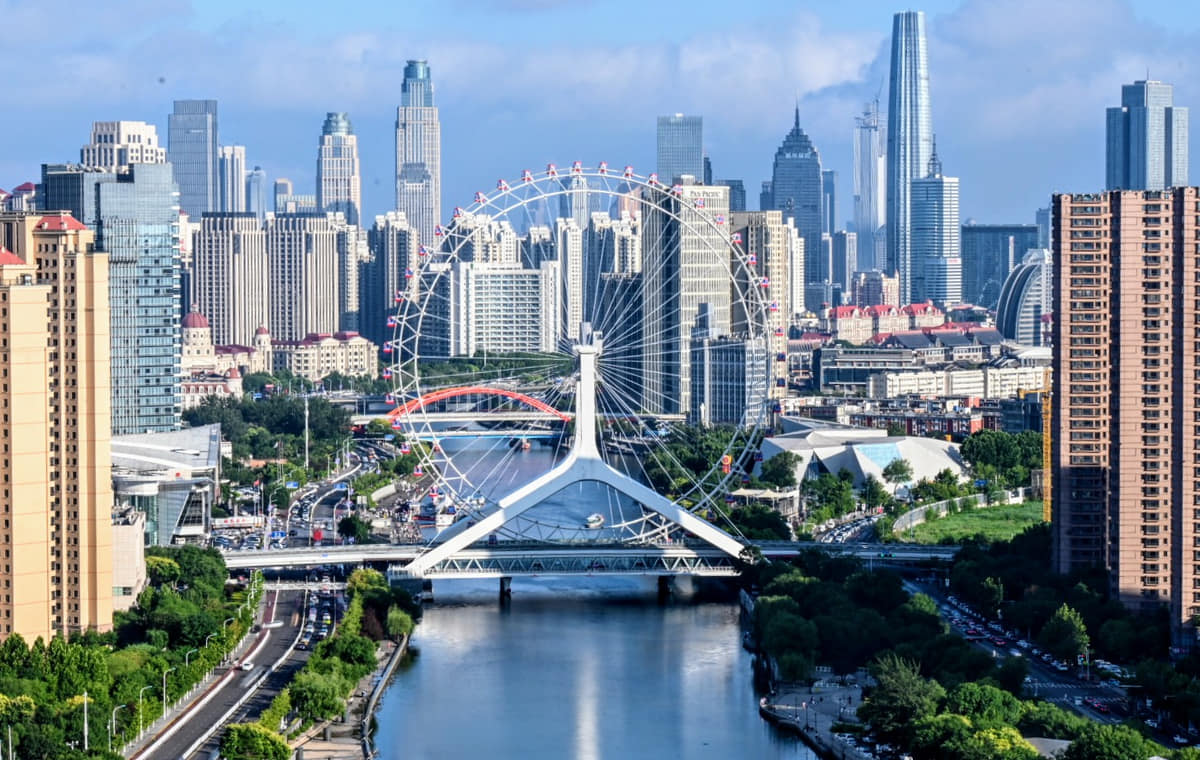 Tianjin · Urban geographyHow did water routes make Tianjin a city?The Hai River, Grand Canal, Bohai coast, port, and bridges connect transport history with the city's present form.
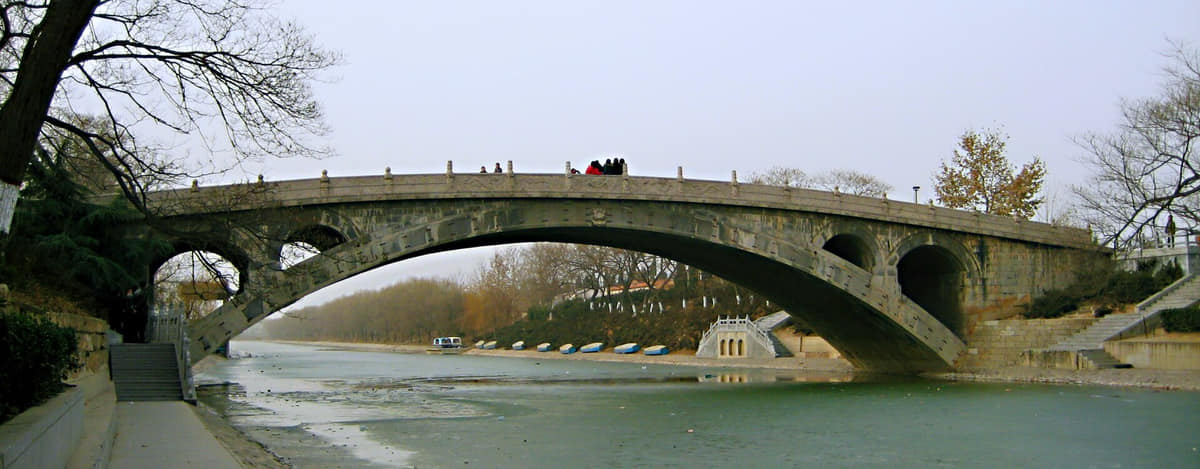 Shijiazhuang · Urban historyHow can a young railway city contain much older histories?Modern Shijiazhuang grew around railways, while Zhengding, Zhao County, Pingshan, and western mountains preserve deeper regional timelines.
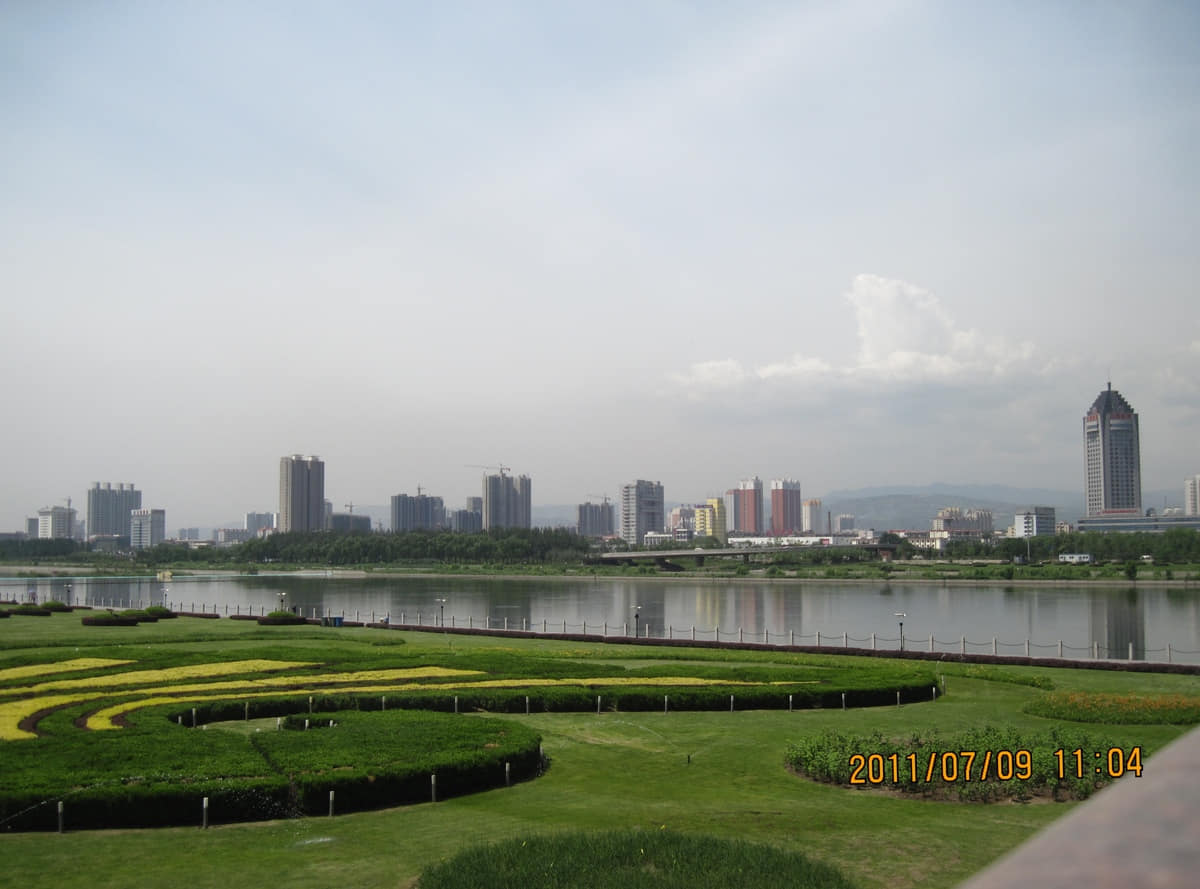 Taiyuan · Landscape and cityWhy is the Fen River the clearest way to read Taiyuan?The river explains the basin, settlement corridor, industry, environmental management, and the city's newer public landscape.
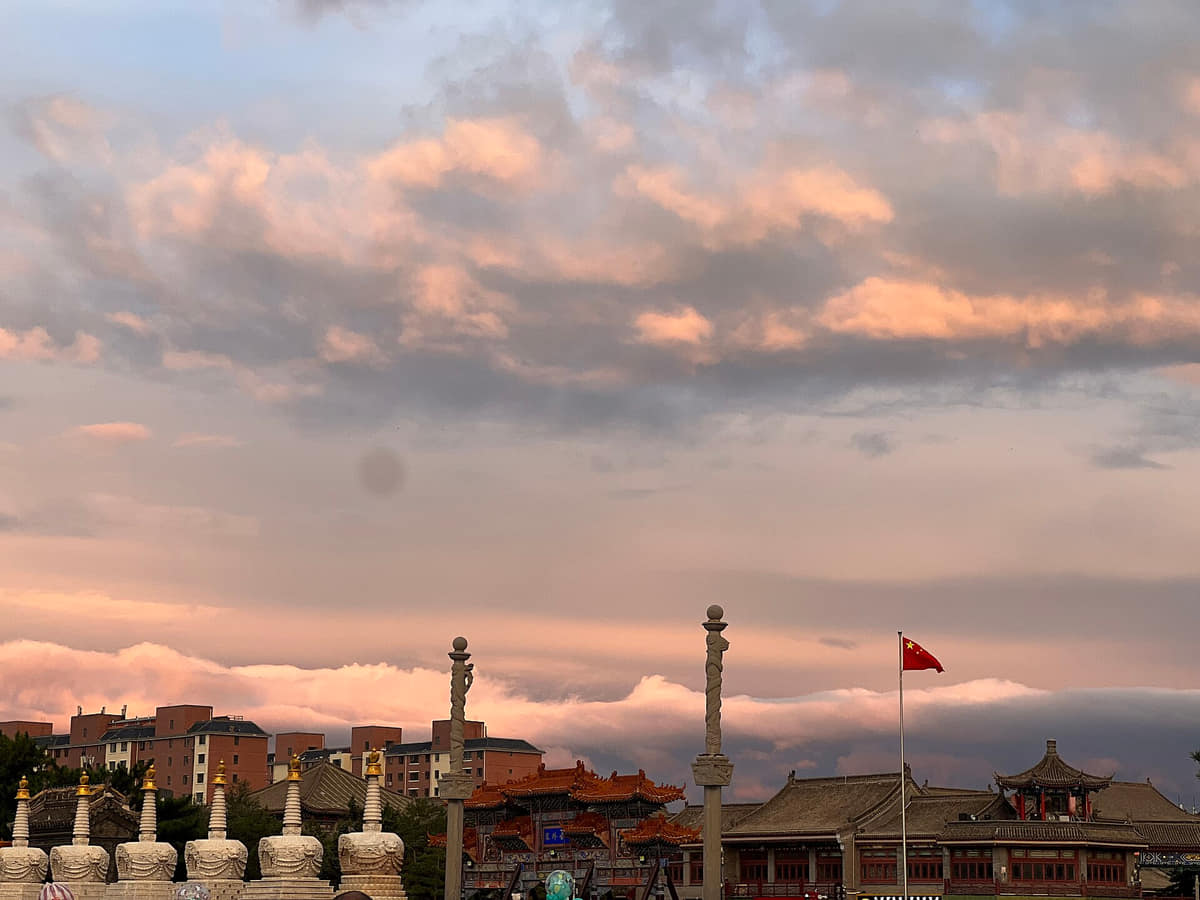 Hohhot · Urban historyWhy do temples matter to understanding modern Hohhot?Historic religious complexes explain the old city's foundation, trade, art, neighborhood form, and long connections across the steppe and agricultural frontier.
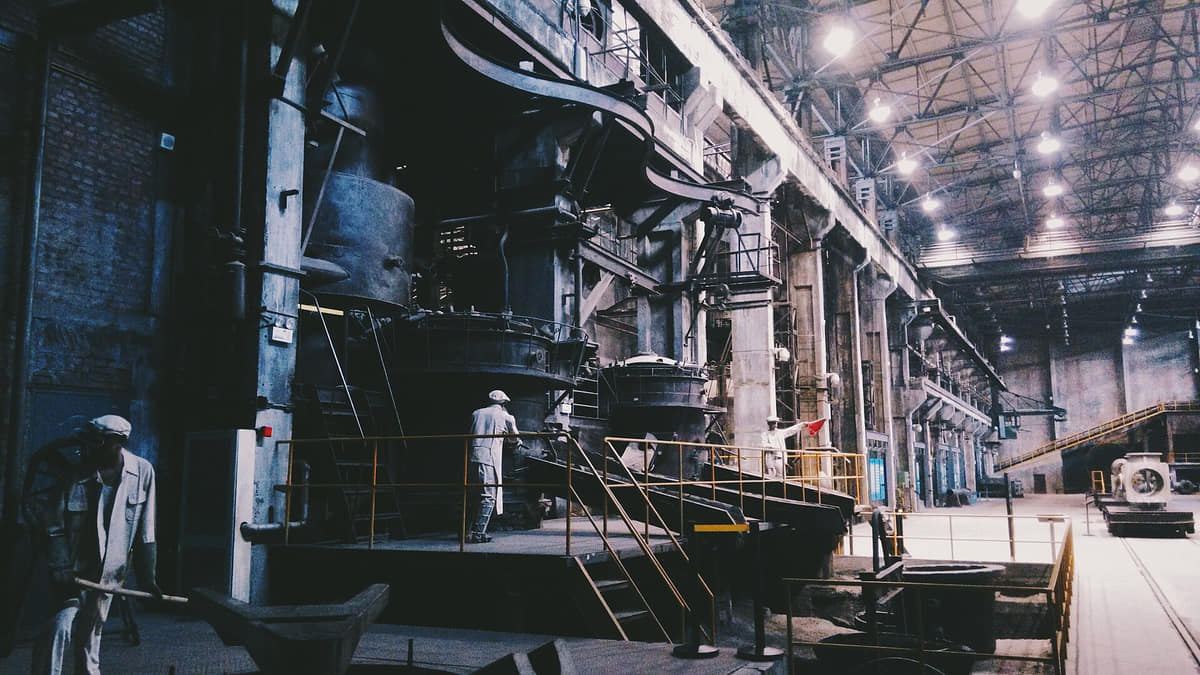 Shenyang · Layered cityHow can palace courts and factory floors explain the same city?Shenyang's early Qing capital and twentieth-century industrial center are different systems, but both organized space, labor, identity, and migration.
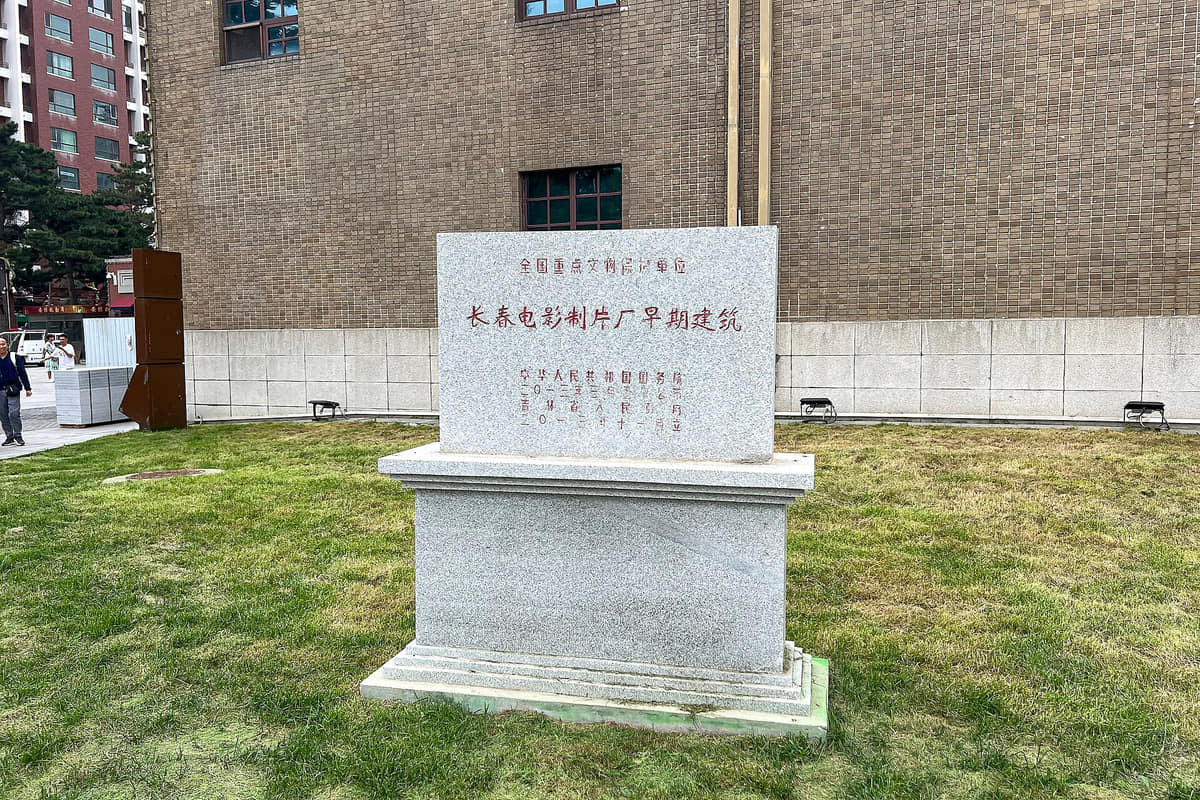 Changchun · Industry and cultureWhy did film and automobiles become Changchun's two defining industries?Both sectors combined state investment, technical skill, large workplaces, housing, education, and powerful ideas about modern life.
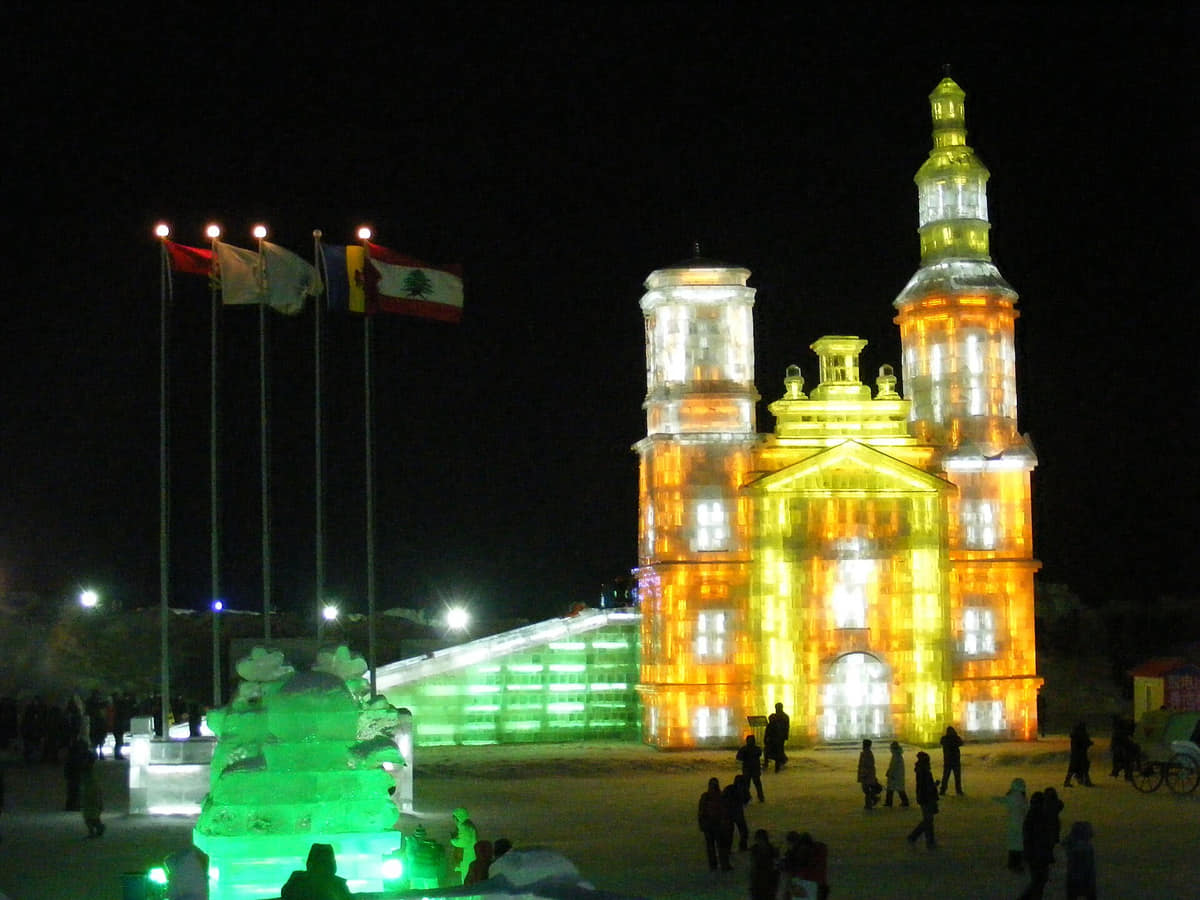 Harbin · Climate and cityHow does extreme winter become an urban system in Harbin?Ice festivals are the visible surface of a much larger system involving heating, transport, clothing, food, engineering, maintenance, and public life.
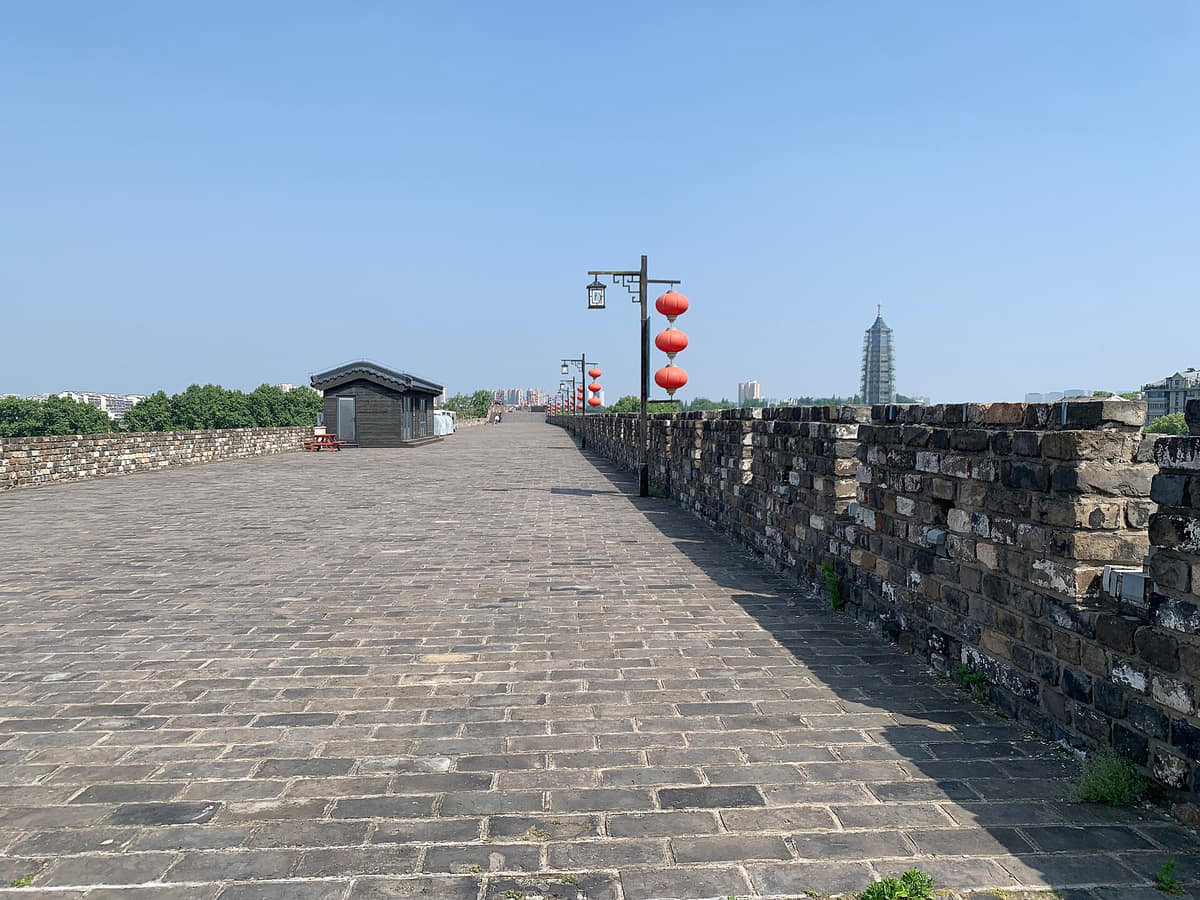 Nanjing · Urban formHow can one city wall explain several Nanjings?The Ming wall links terrain, water, imperial planning, construction labor, defense, neighborhood growth, heritage, and public space.
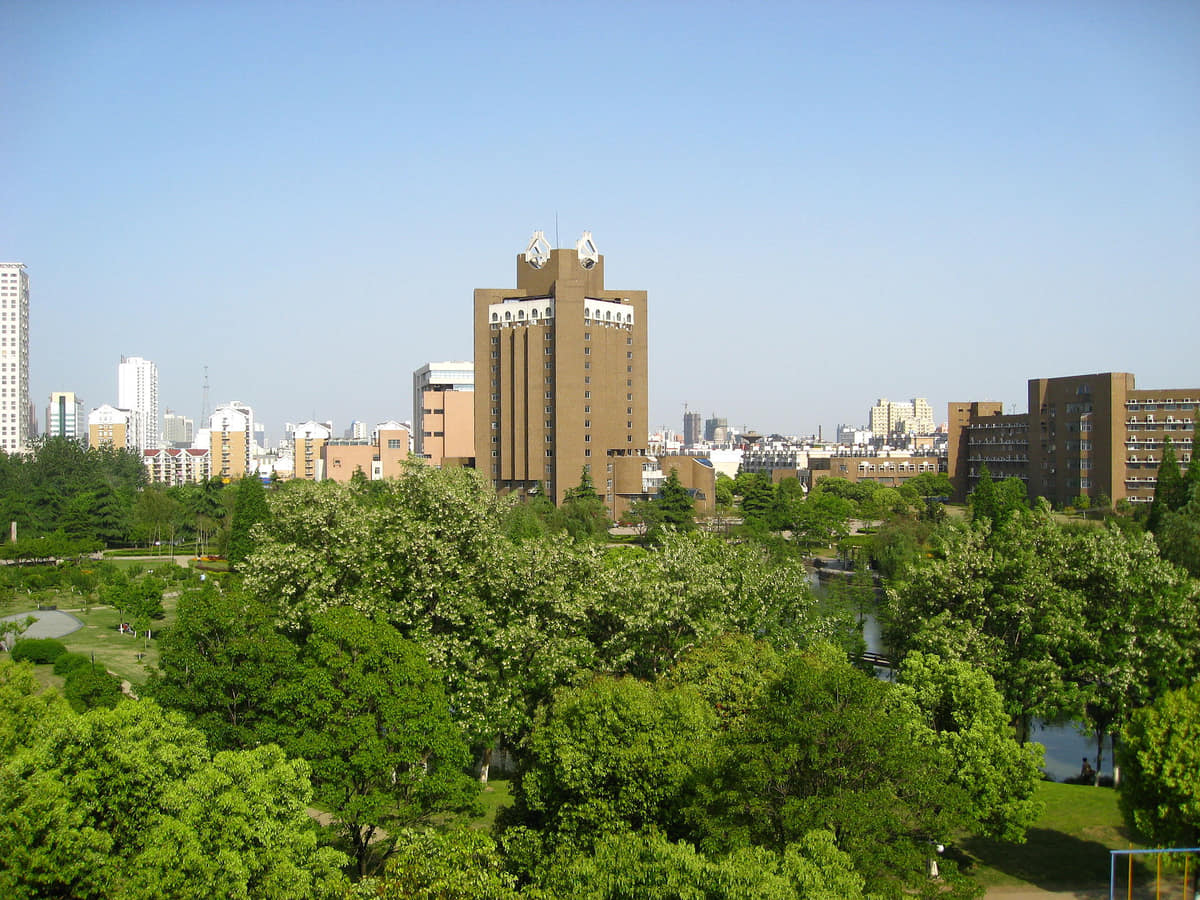 Hefei · Science and cityHow did research become part of Hefei's urban identity?Universities and laboratories matter, but their citywide impact also runs through manufacturing, education, migration, transport, housing, and public culture.
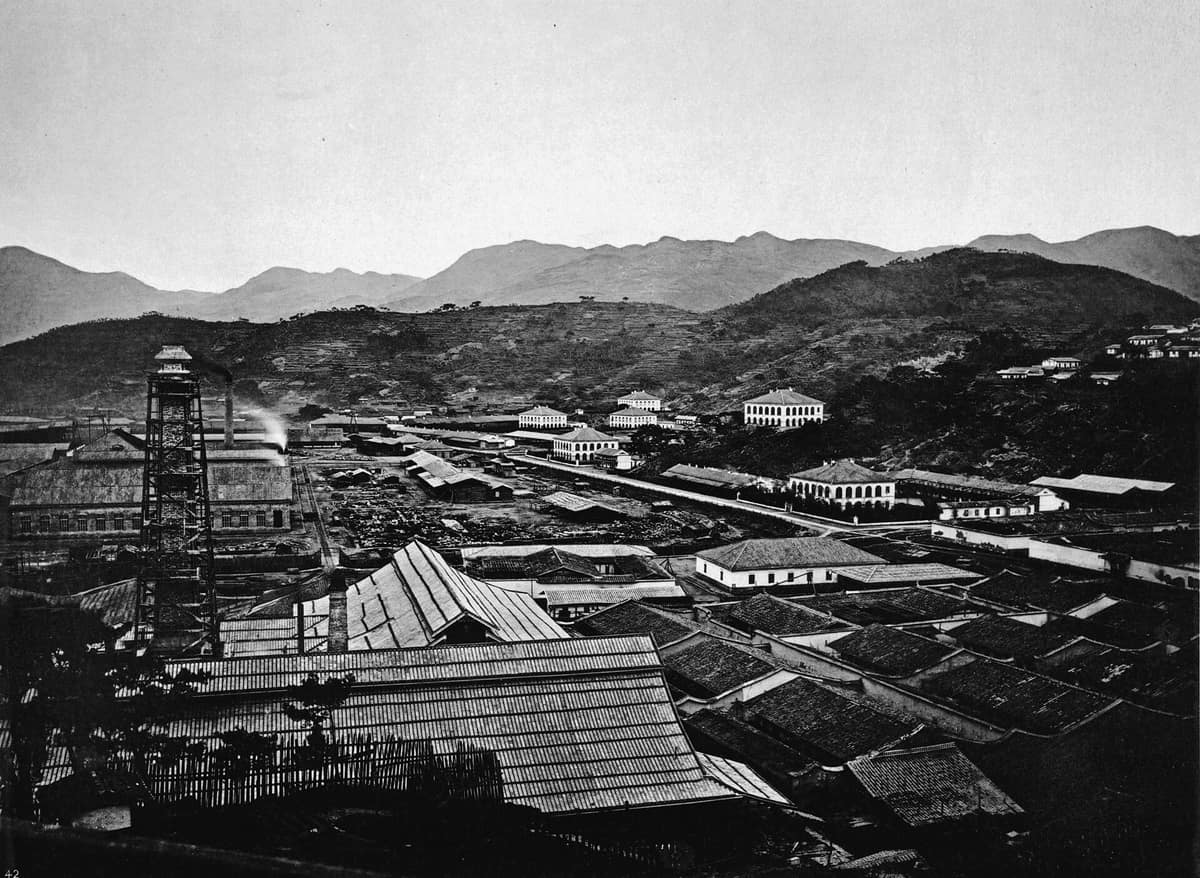 Fuzhou · Maritime knowledgeWhy is Fuzhou's maritime history also a history of learning?At Mawei, shipbuilding depended on translation, engineering, education, navigation, industrial labor, and global technical exchange.
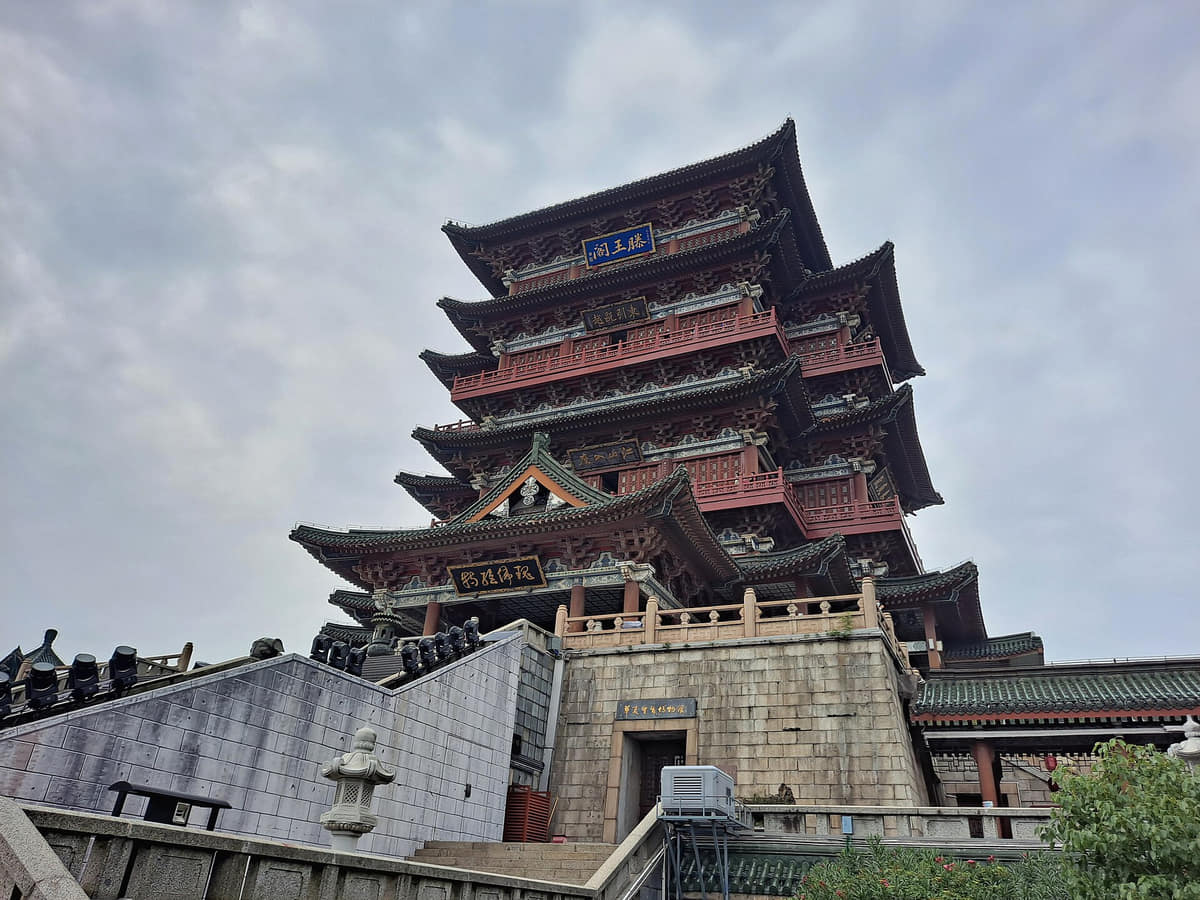 Nanchang · Literature and placeHow did a rebuilt pavilion become a durable image of Nanchang?Tengwang Pavilion survives through text, reconstruction, river geography, education, tourism, and repeated public retelling.
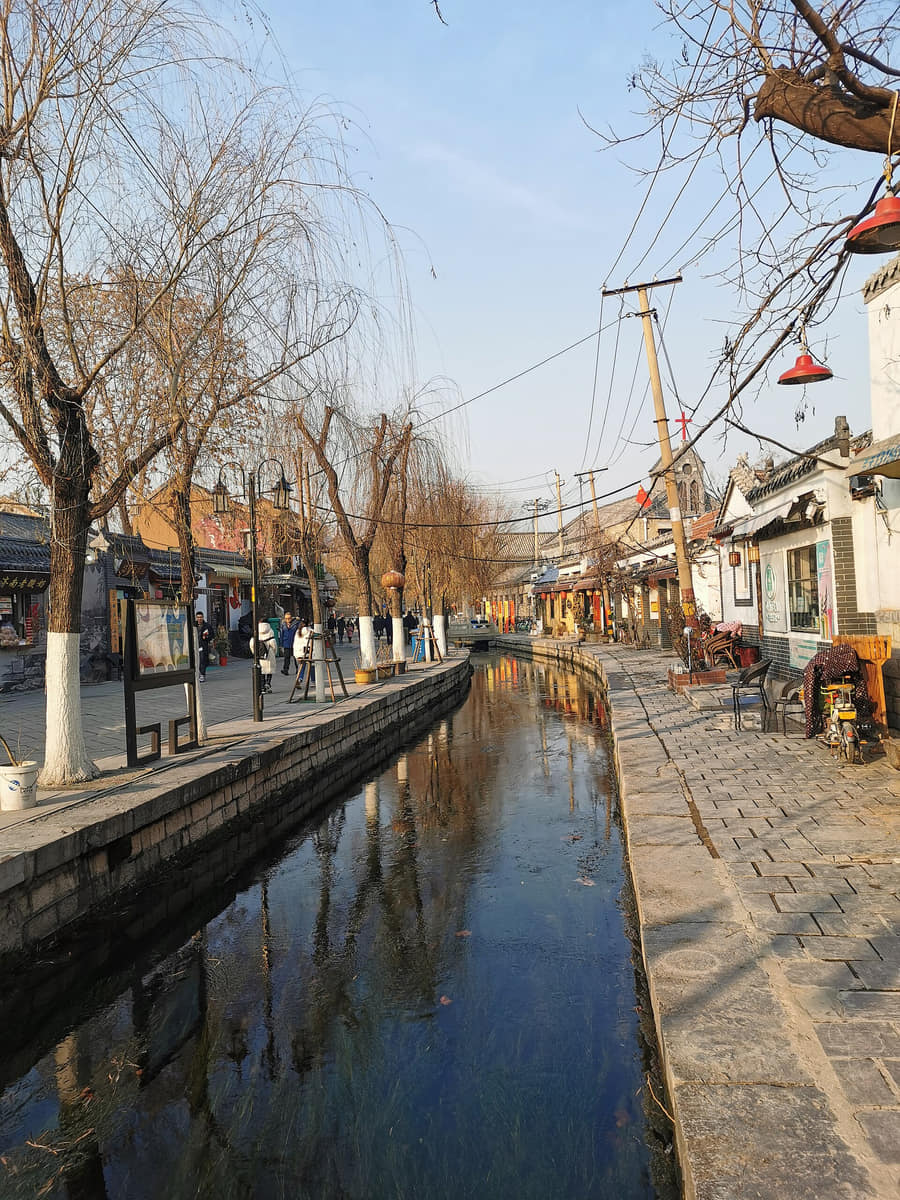 Jinan · Urban ecologyHow does groundwater become public life in Jinan?Rain, limestone, underground flow, spring pools, channels, gardens, monitoring, maintenance, and neighborhood routines form one urban system.
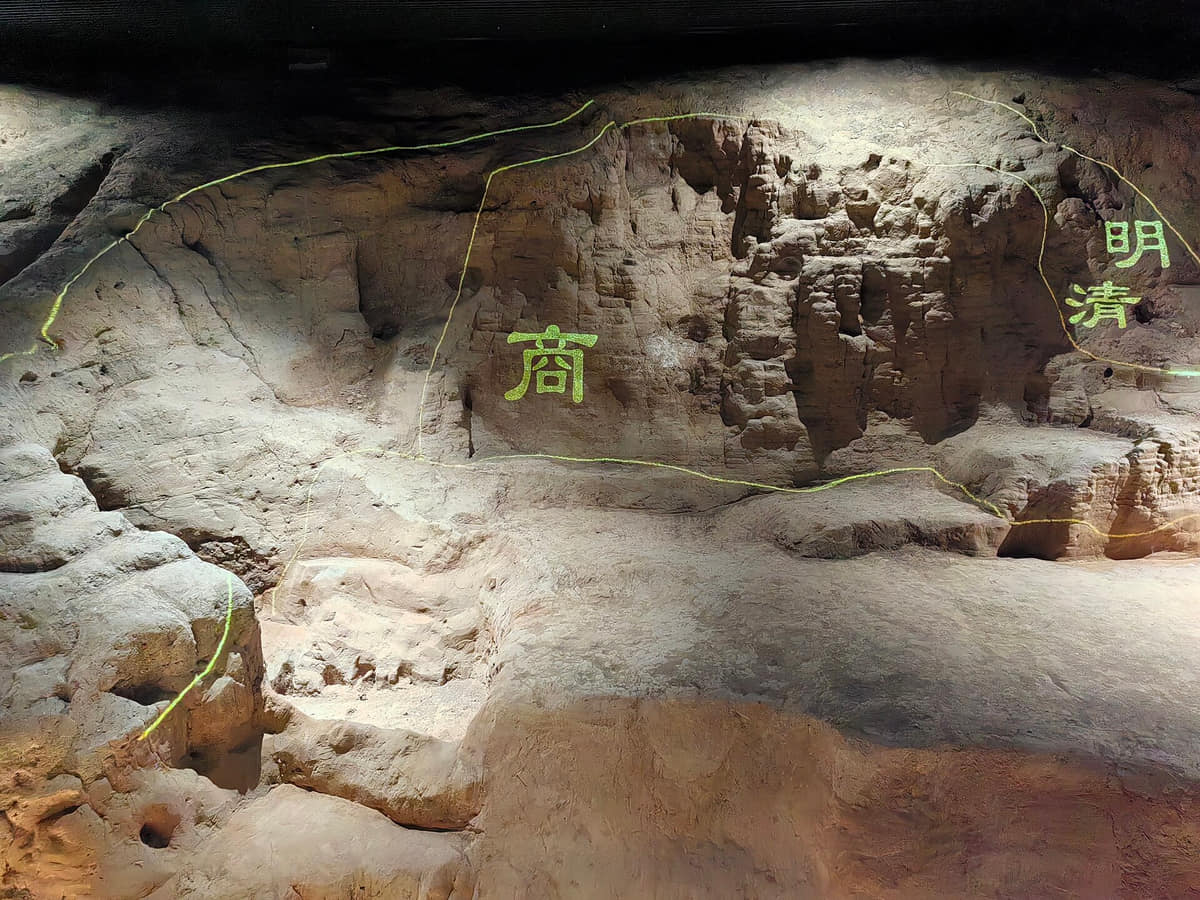 Zhengzhou · Urban layersHow can a railway city also be an archaeological city?Zhengzhou's modern junction and Shang-period wall occupy the same urban landscape, but operate at very different timescales.
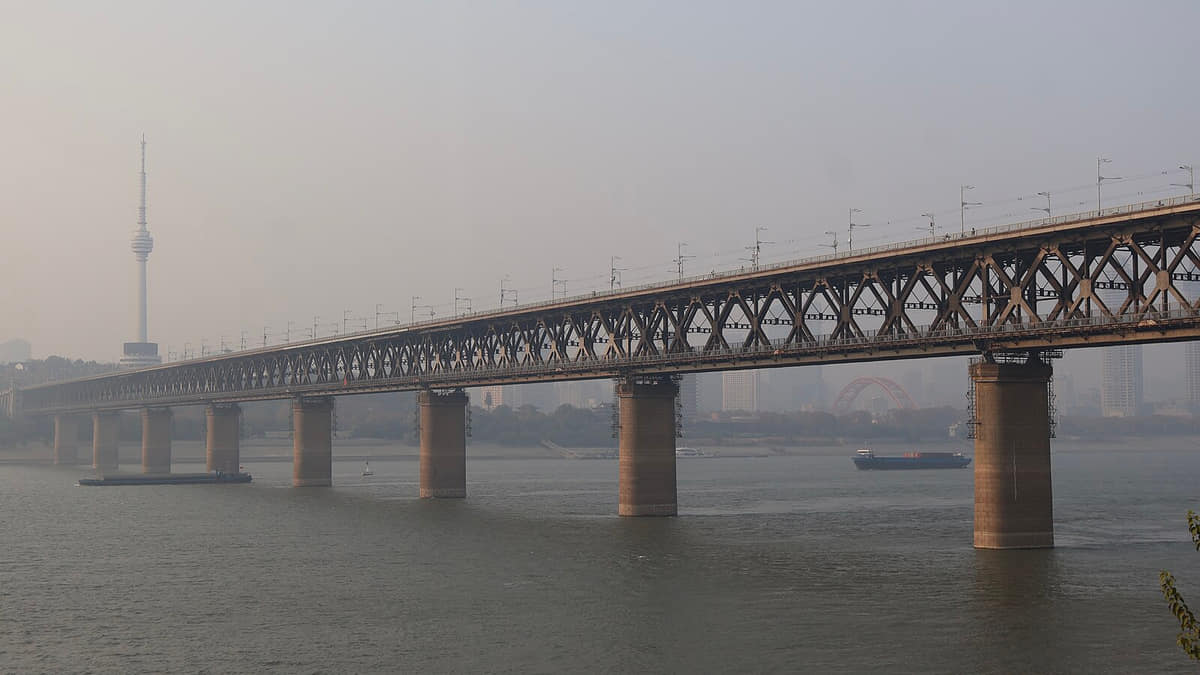 Wuhan · Urban geographyWhy is Wuhan still understood through three towns?The Yangtze and Han rivers created separate urban roles before bridges, metro lines, and metropolitan planning connected them more tightly.
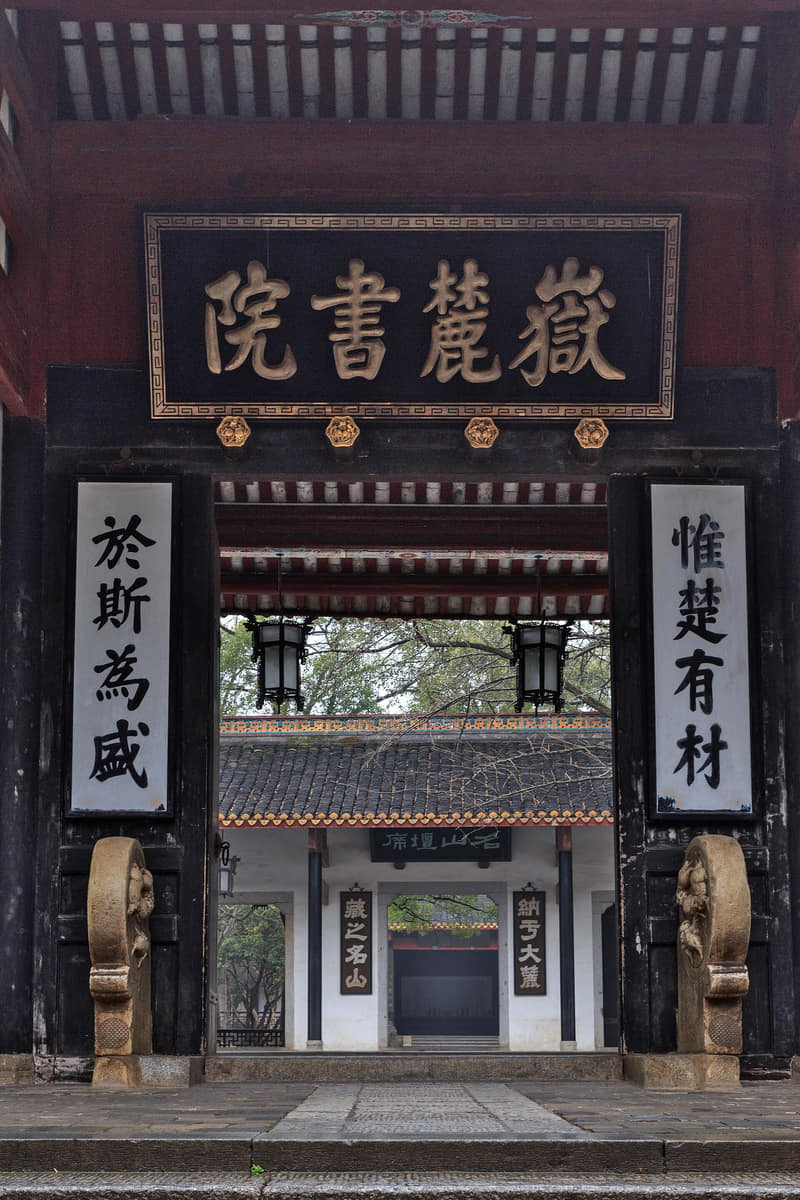 Changsha · Knowledge and placeHow did Yuelu remain a learning landscape across changing institutions?An academy, mountain, inscriptions, temples, a modern university, museums, and public paths keep education attached to place.
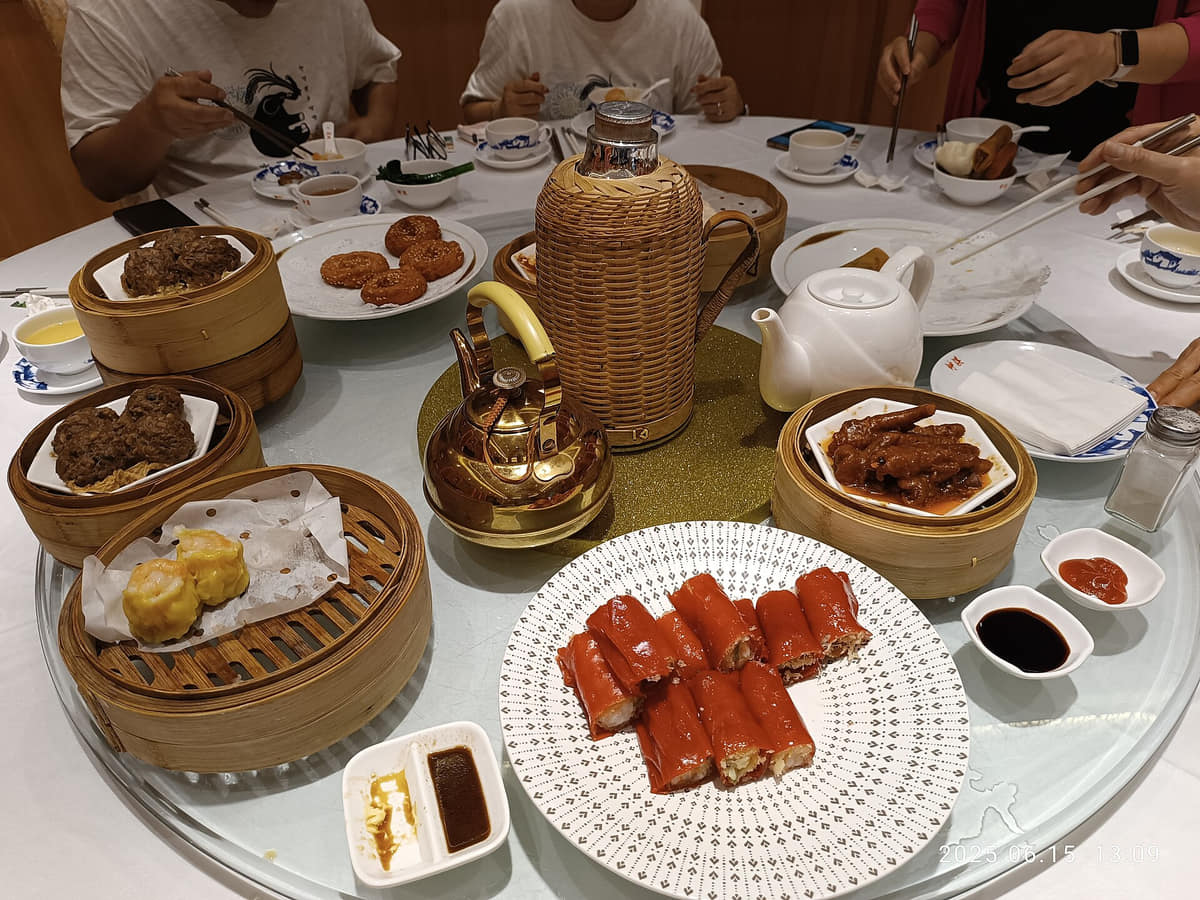 Guangzhou · Social foodWhy is yum cha more than a list of dim sum?Tea, skilled kitchen work, small shared dishes, conversation, timing, family routines, and restaurant economics form a social institution.
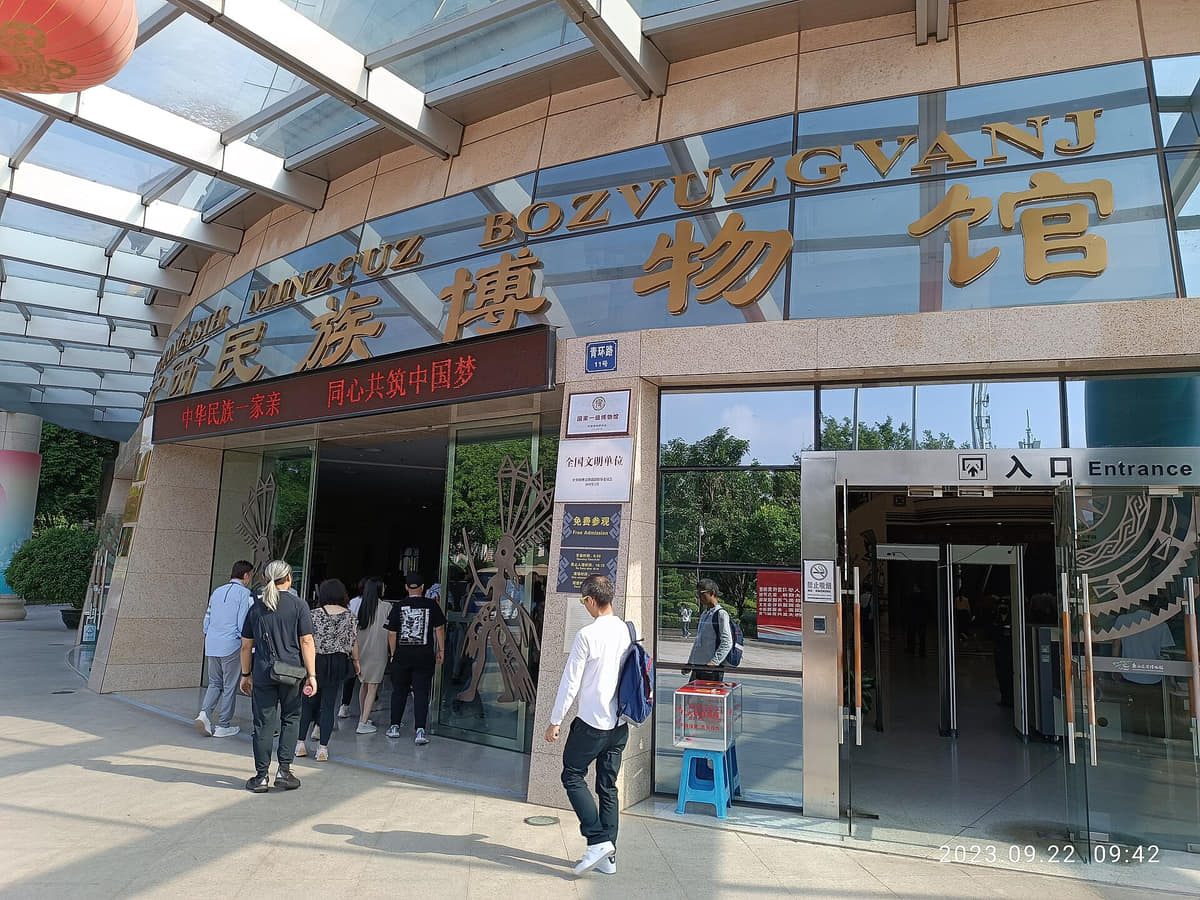 Nanning · Cultural interpretationHow can Nanning present regional cultures without turning people into exhibits?Objects and festivals matter, but language, community history, contemporary work, migration, and individual choice are equally important.
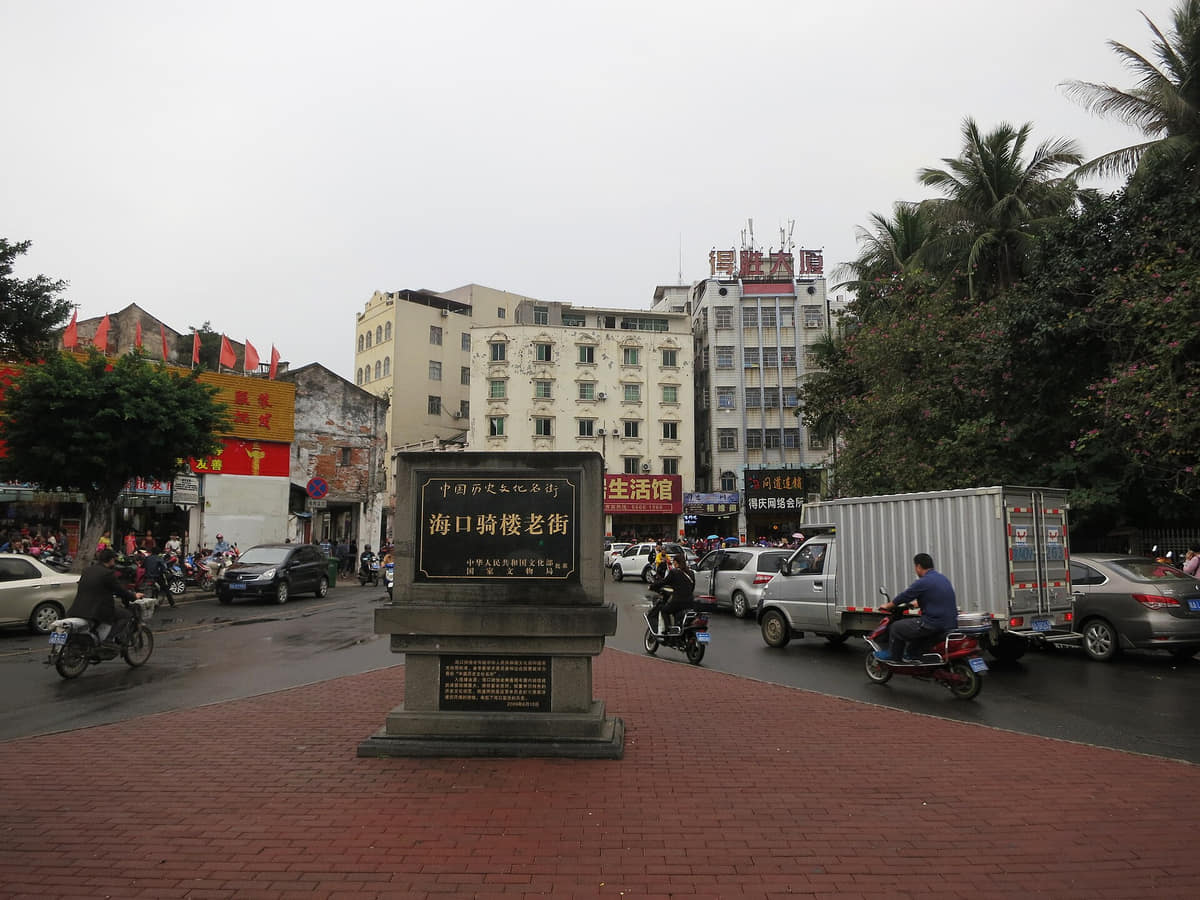 Haikou · Architecture and migrationWhat do Haikou's qilu streets reveal about climate and maritime migration?Arcades solve heat and rain at street level while shophouses record trade, overseas connections, local craft, repair, and changing use.
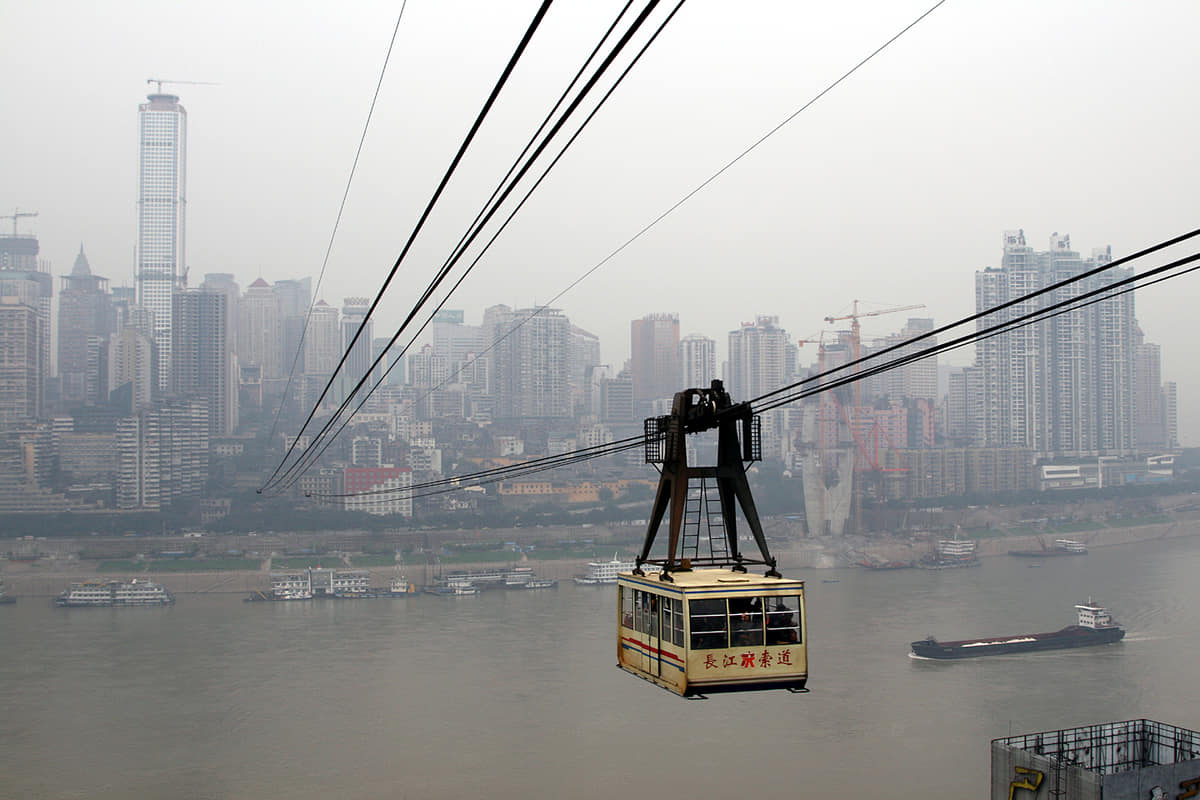 Chongqing · Urban geographyWhy does Chongqing seem to have more than one ground level?Ridges, rivers, retaining walls, bridges, lifts, rail, and buildings turn elevation into daily urban navigation.
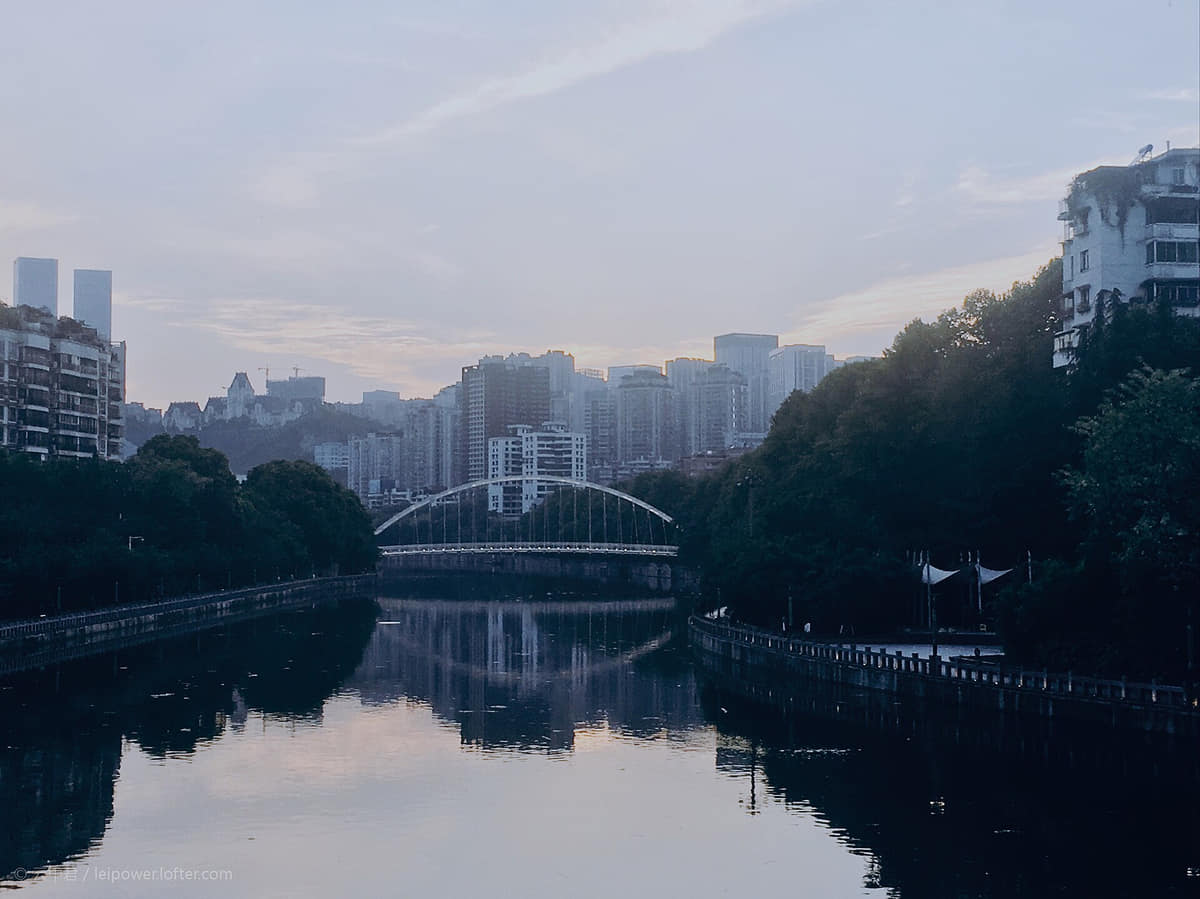 Guiyang · Landscape and cityHow does karst shape everyday Guiyang?Limestone hills, limited flat land, short rivers, caves, rain, and reservoirs influence settlement, drainage, building, and movement.
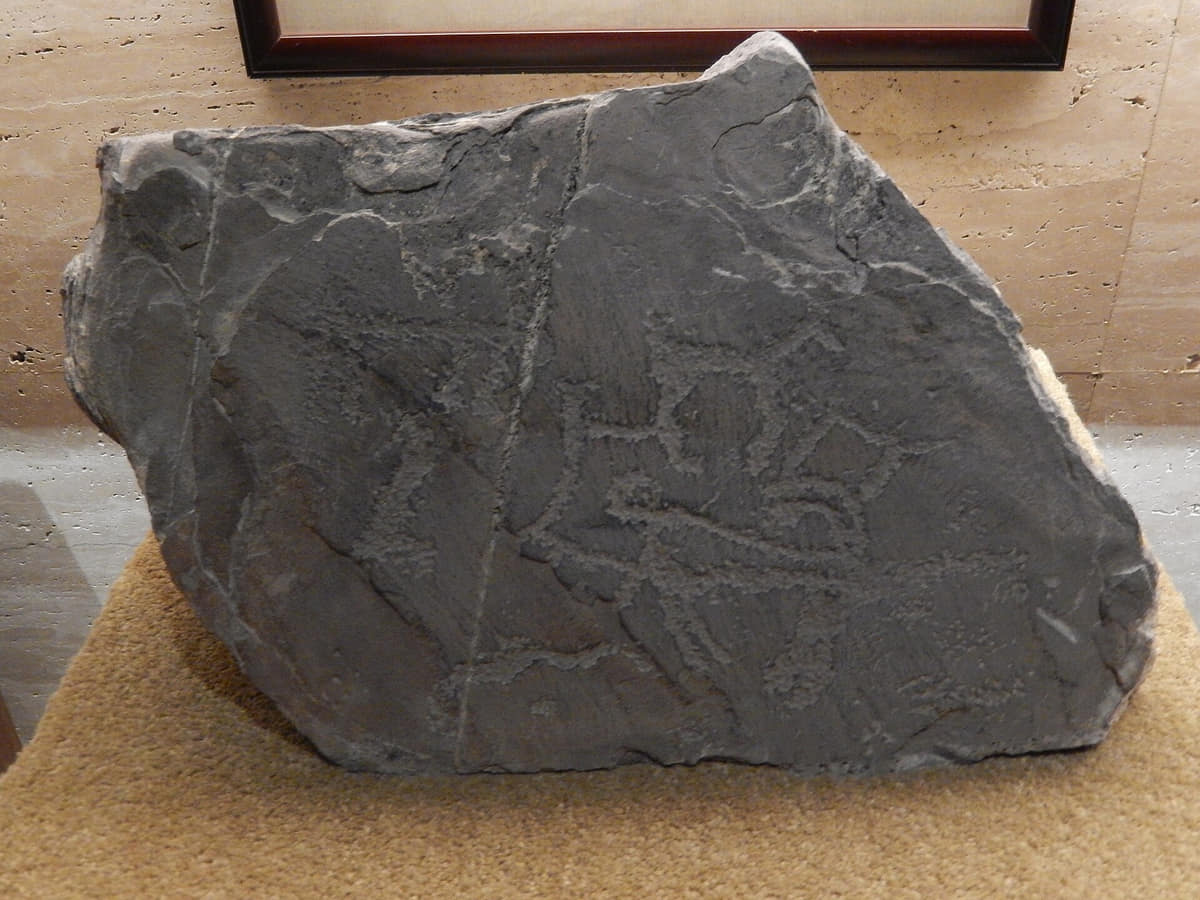 Yinchuan · Water and landscapeHow does Yellow River water make Yinchuan an oasis city?Canals connect river flow with farms, wetlands, food, villages, urban growth, ecology, and long histories of water management.
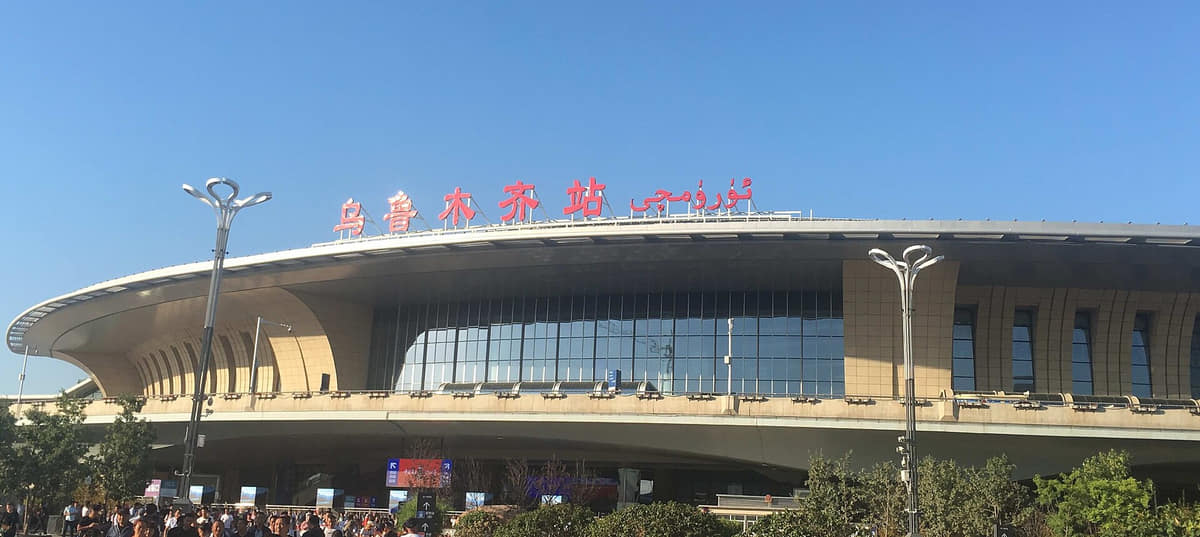 Urumqi · Geography and movementHow did a Tianshan piedmont oasis become an inland transport gateway?Mountain water, basin routes, rail, aviation, logistics, markets, migration, and a multilingual population connect environment with mobility.
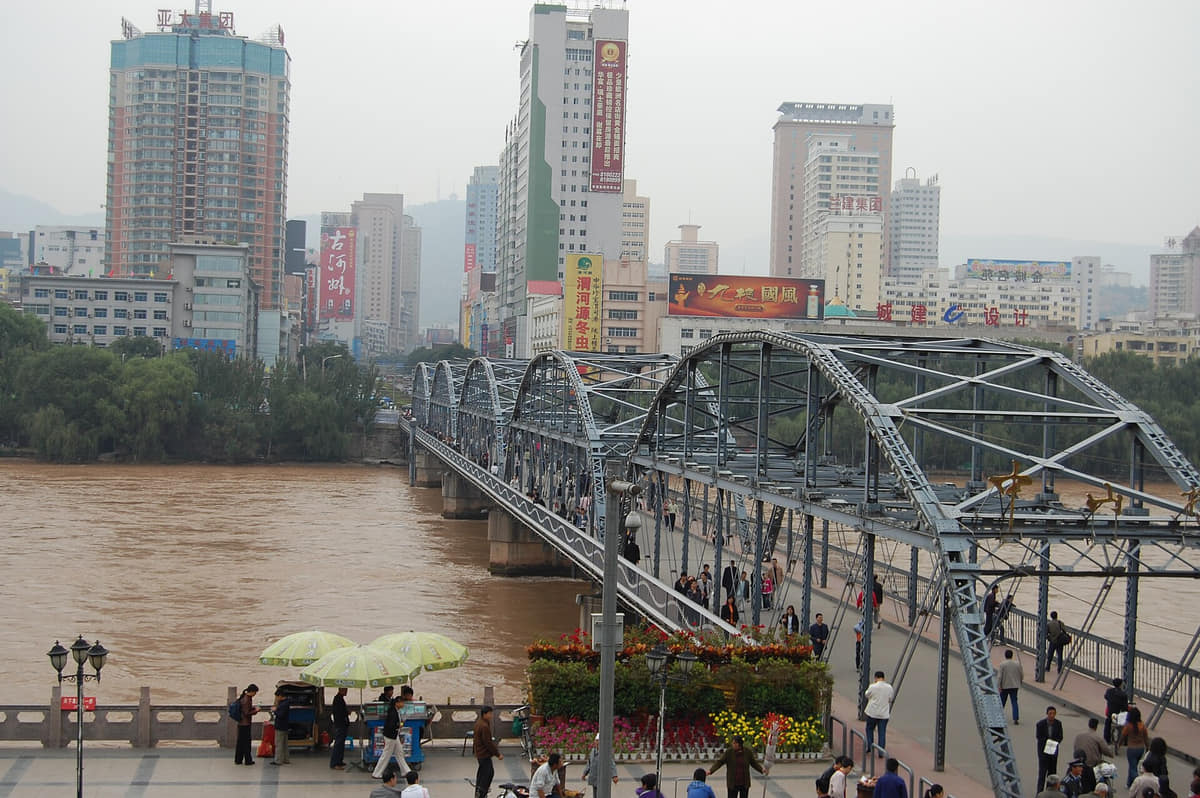 Lanzhou · Urban geographyWhy did Lanzhou become a long, narrow city?A major river, steep dry mountains, limited flat land, bridges, rail, roads, and industry concentrate growth along one corridor.
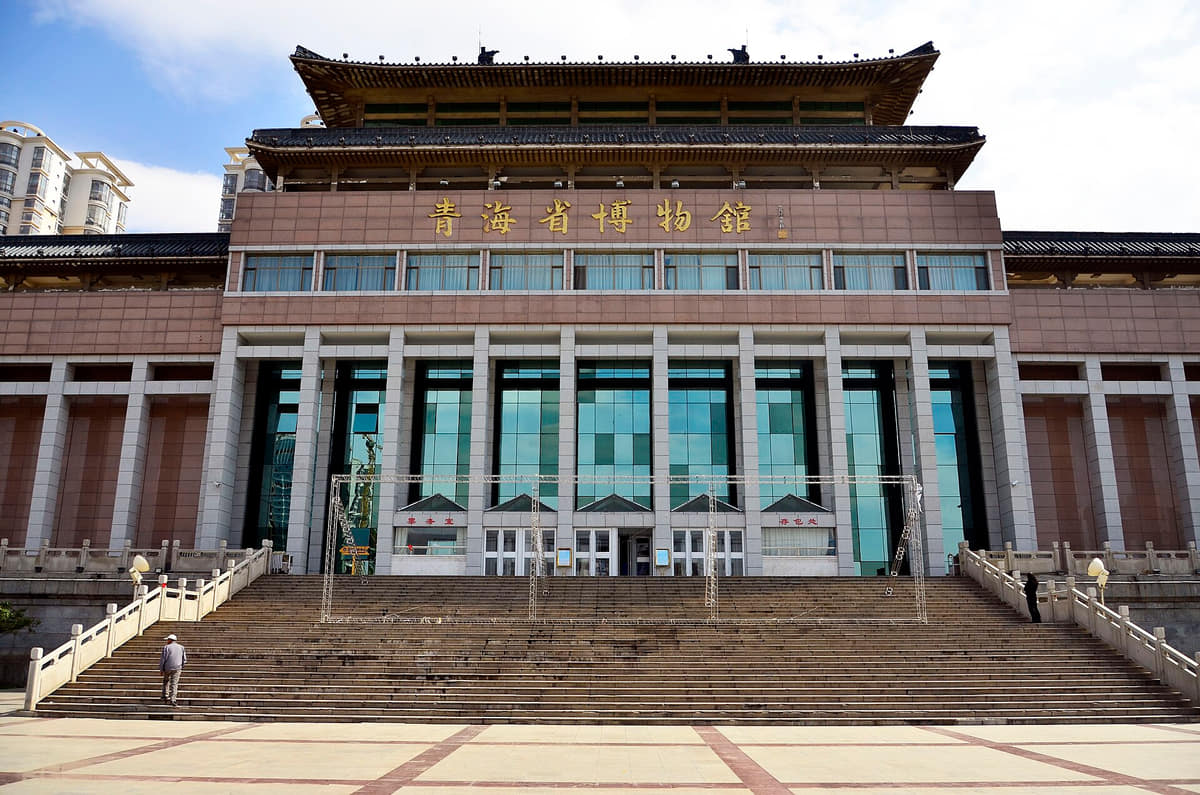 Xining · People and routesWhy is Xining best understood as a plateau crossroads?A river corridor brings transport, trade, religious institutions, languages, food, students, county communities, and long-distance travelers into one valley city.
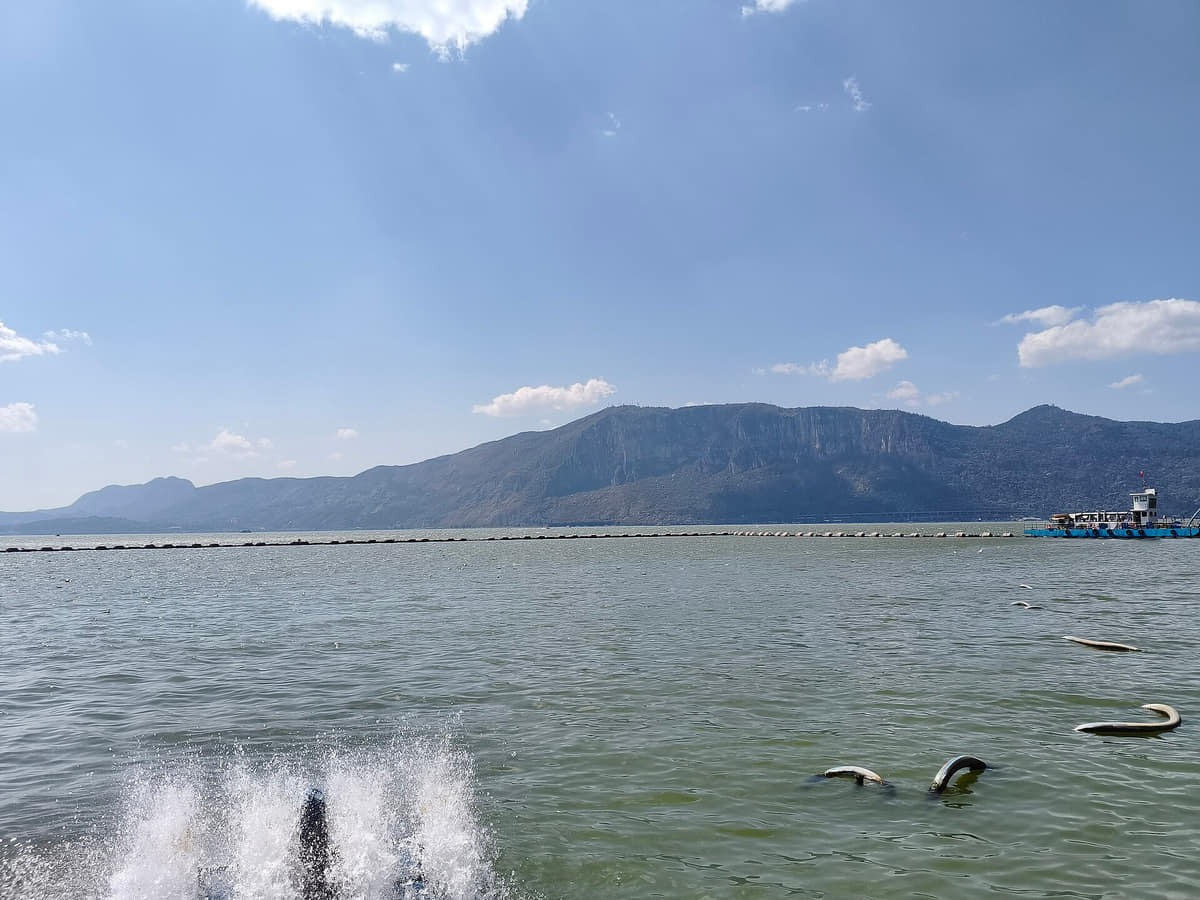 Kunming · Water and cityWhy is Dianchi more than Kunming's scenic backdrop?The lake connects basin geography, tributaries, wetlands, water supply, wastewater, villages, industry, recreation, and metropolitan growth.
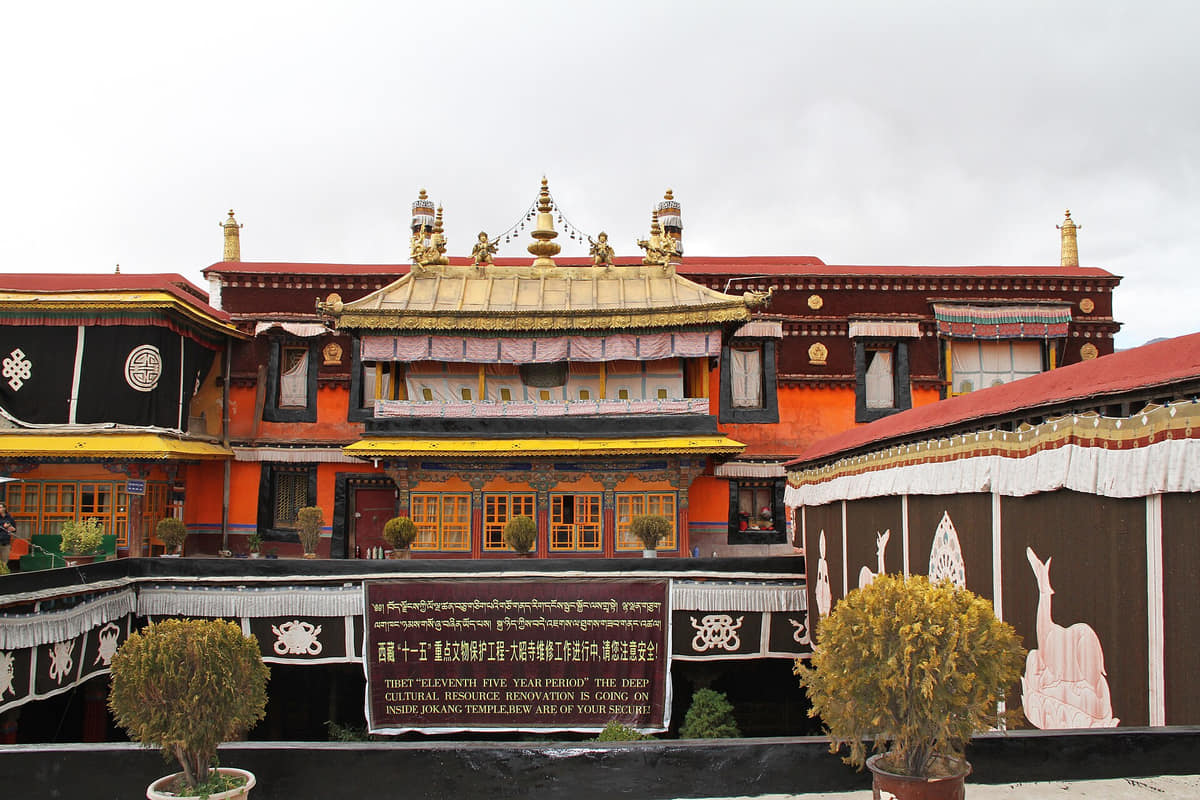 Lhasa · Living heritageHow can a pilgrimage center remain a living city neighborhood?Worship, circumambulation, homes, trade, teahouses, conservation, safety, and visitors share the same limited old-city space.
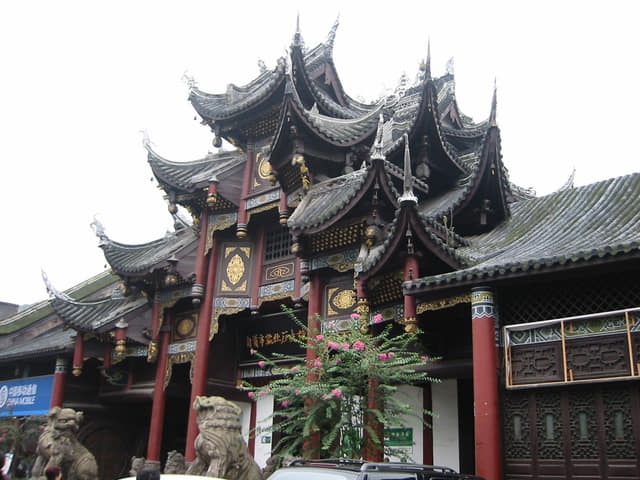 Zigong · City systemsHow did underground brine shape an entire city?Zigong's wells linked geology with drilling, lifting, boiling, labor, guild finance, transport, and food.
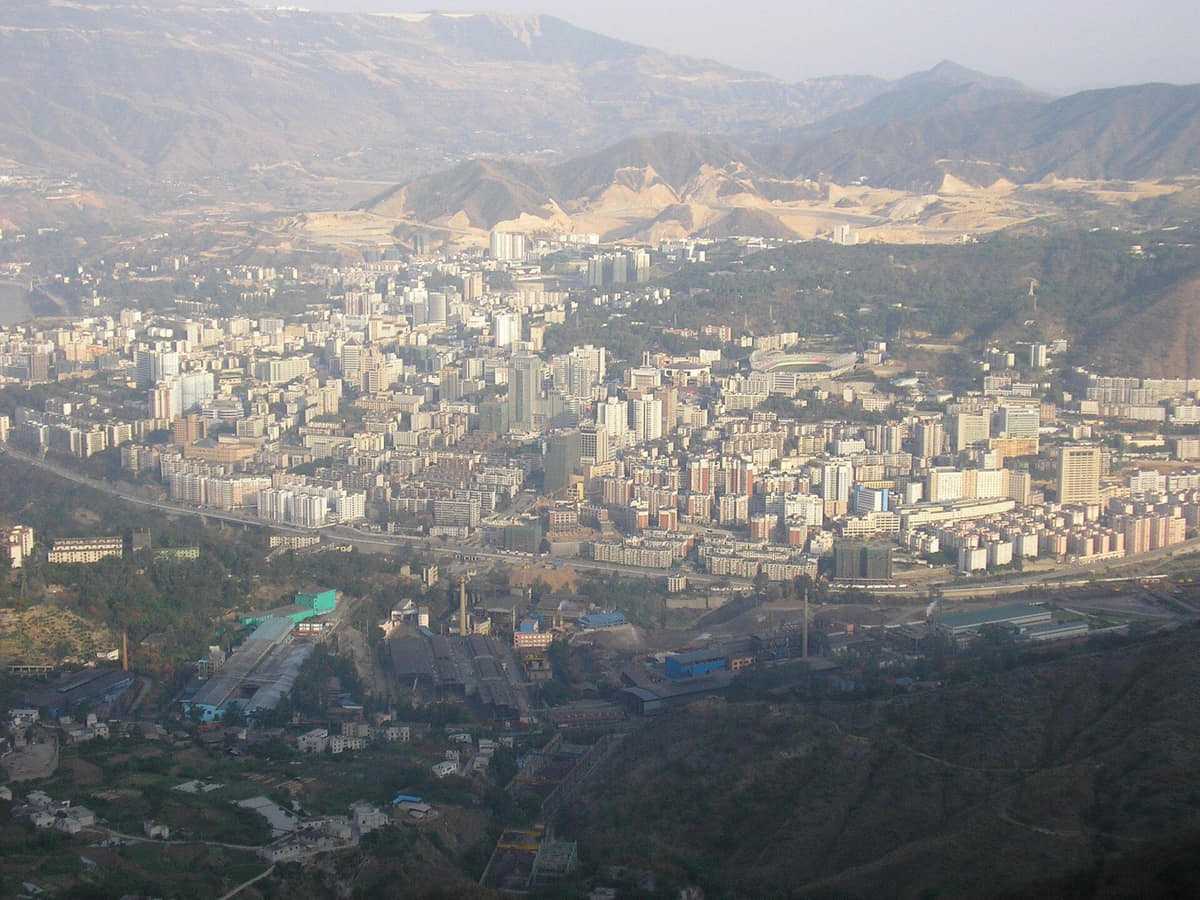 Panzhihua · City systemsHow was a modern industrial city built across steep valleys?Panzhihua explains how ore, national industrial planning, rail, hydropower, migrant labor, and difficult terrain produced a dispersed city.
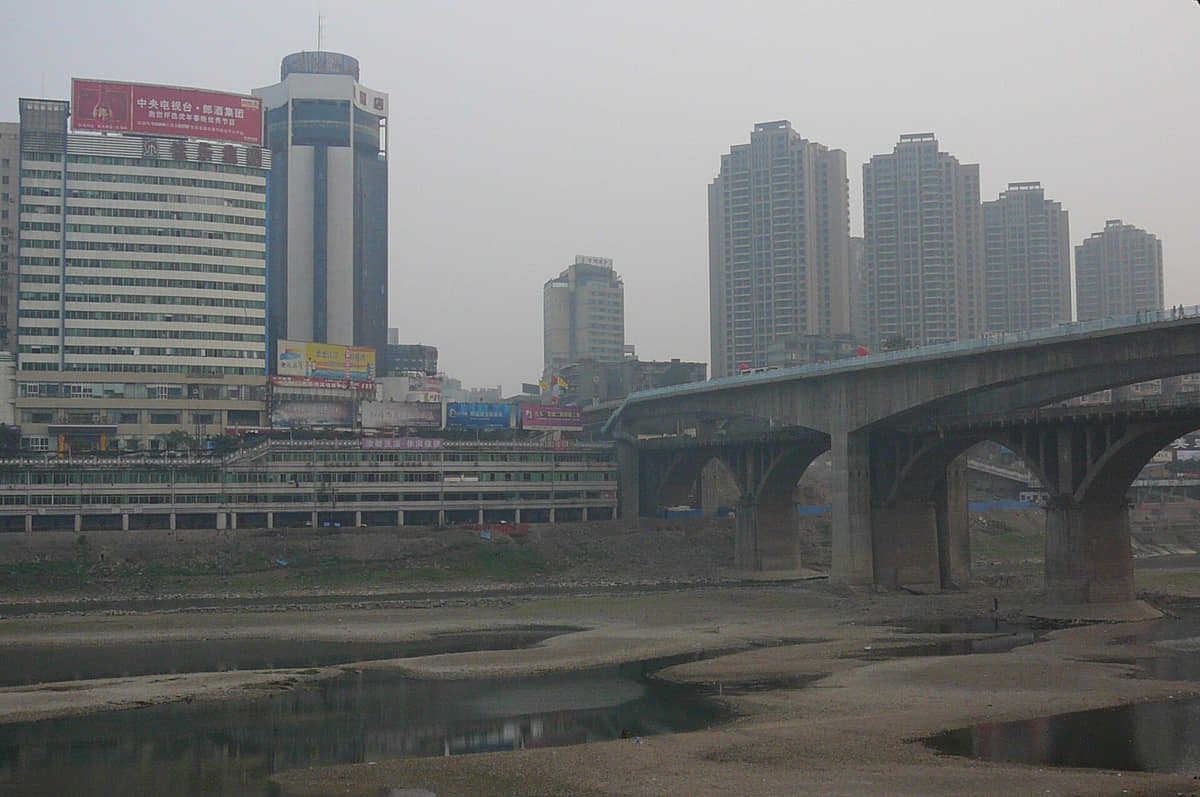 Luzhou · City systemsWhy do Luzhou's old cellars matter beyond a drink?The cellars connect microbiology, inherited craft, labor, trade, architecture, river logistics, regulation, and changing consumption.
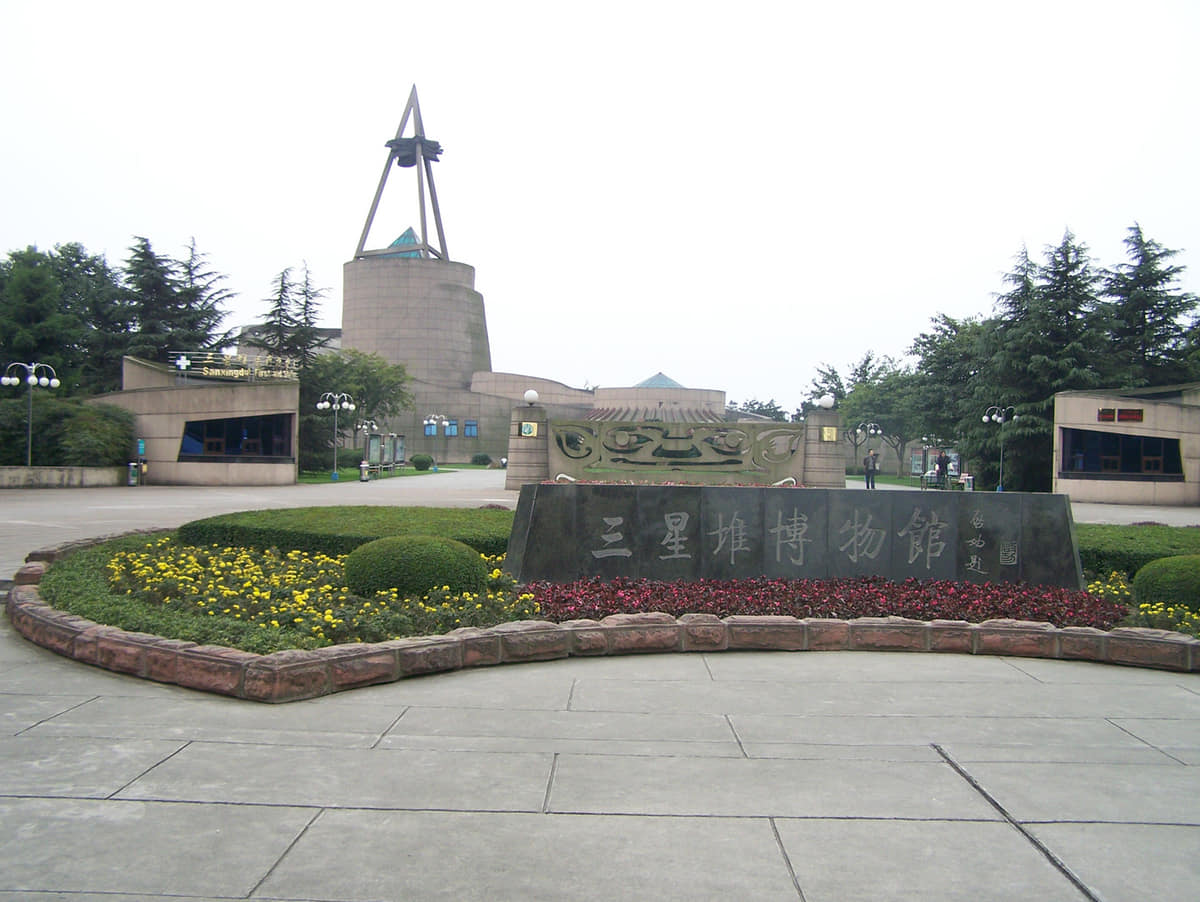 Deyang · City systemsWhat connects ancient bronze masks with modern machinery?They belong to different eras, yet both reveal organized knowledge, material expertise, specialized labor, and Deyang's changing regional role.
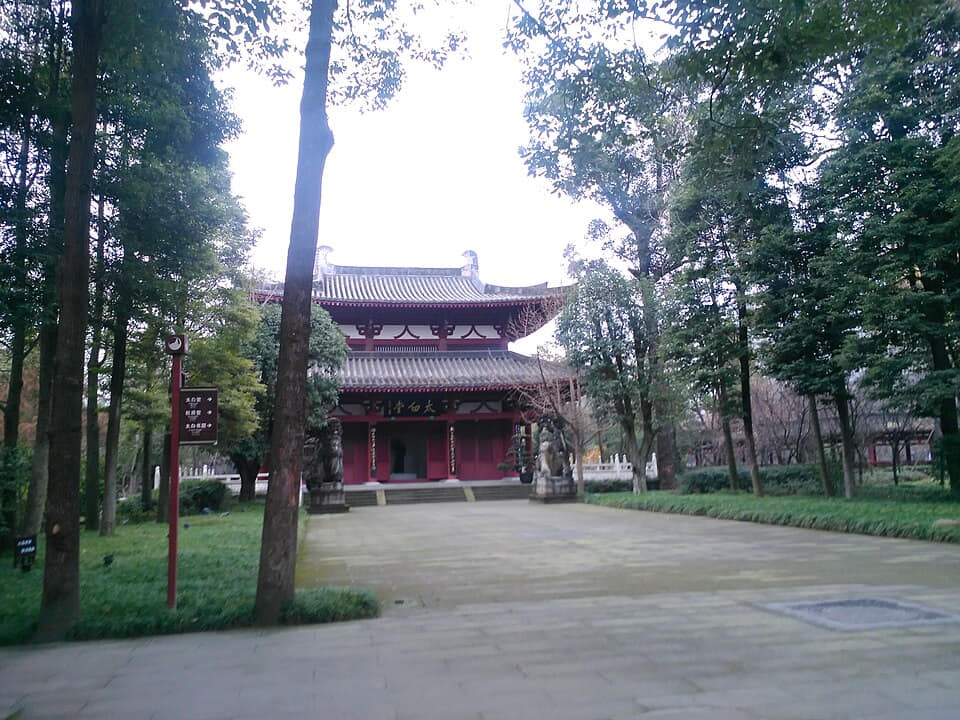 Mianyang · City systemsHow can one city hold poetry, laboratories, and mountain memory?Mianyang's identity emerges from different institutions and landscapes rather than a single visual symbol.
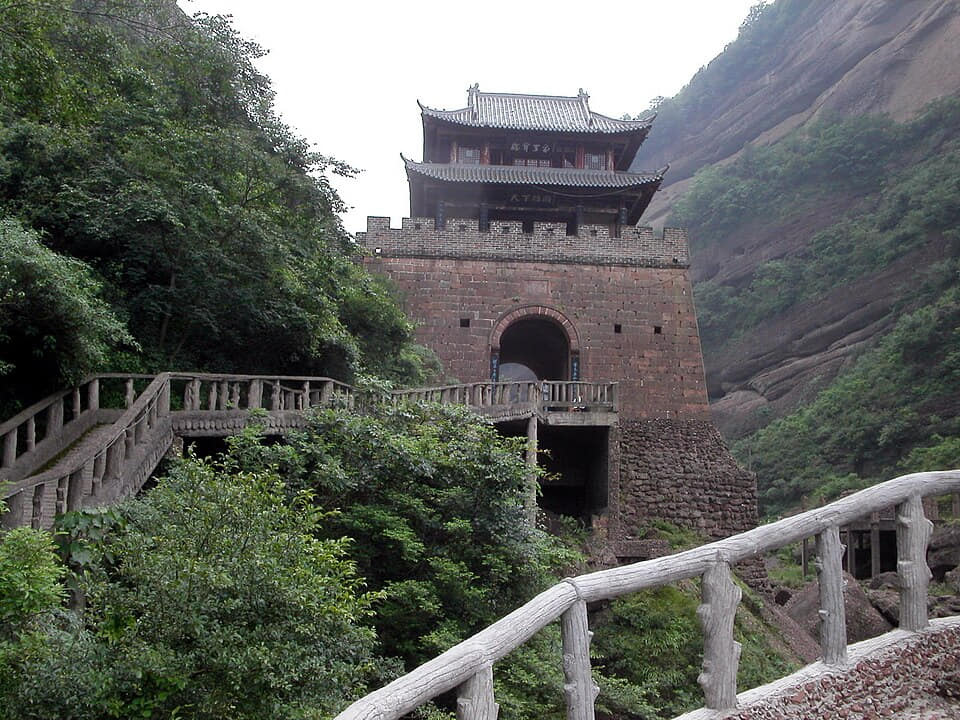 Guangyuan · City systemsWhy was the road into Sichuan a cultural corridor?At Guangyuan, paths, passes, rivers, carved cliffs, inns, armies, traders, and today's railways occupy related terrain.
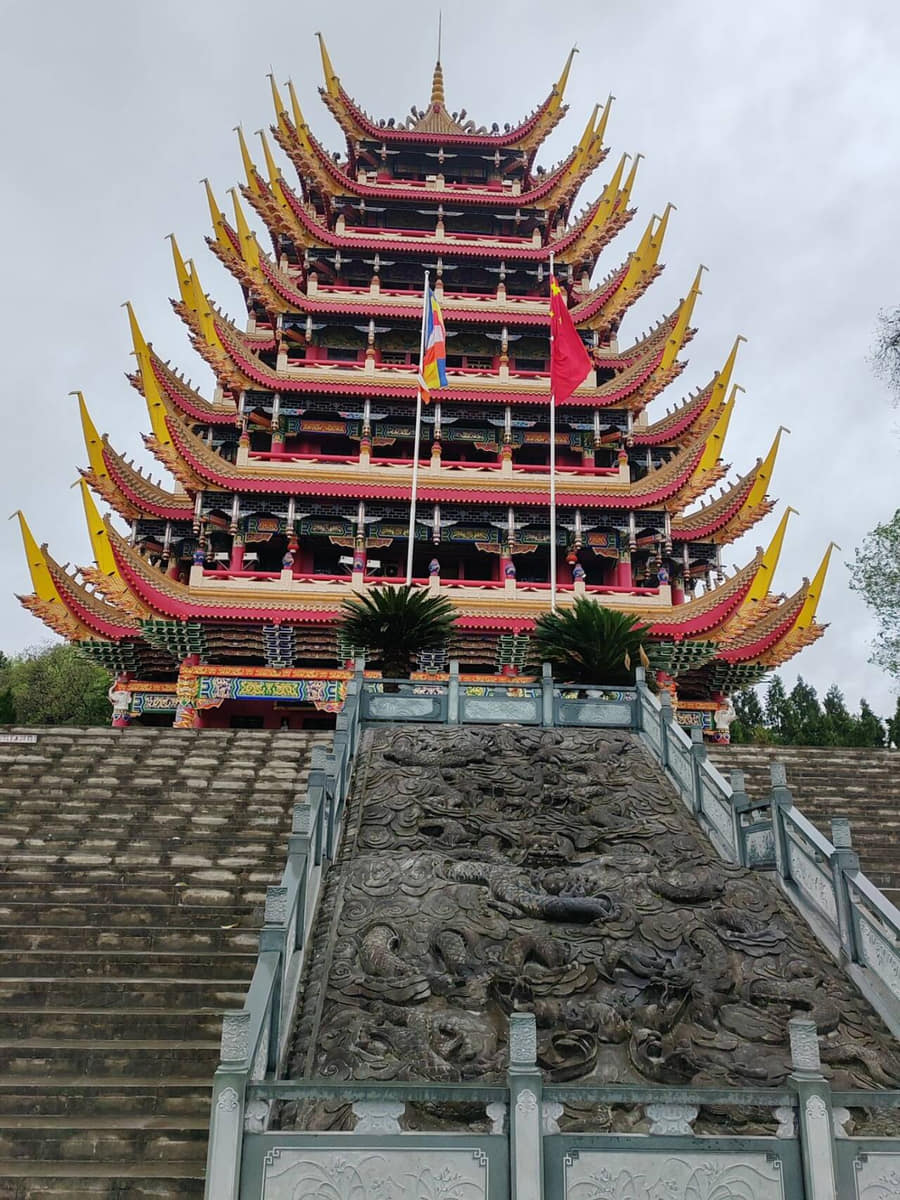 Suining · City systemsHow did pilgrimage and river life reinforce each other?Suining's religious sites grew within a practical landscape of ferries, markets, farms, workshops, and later urban services.
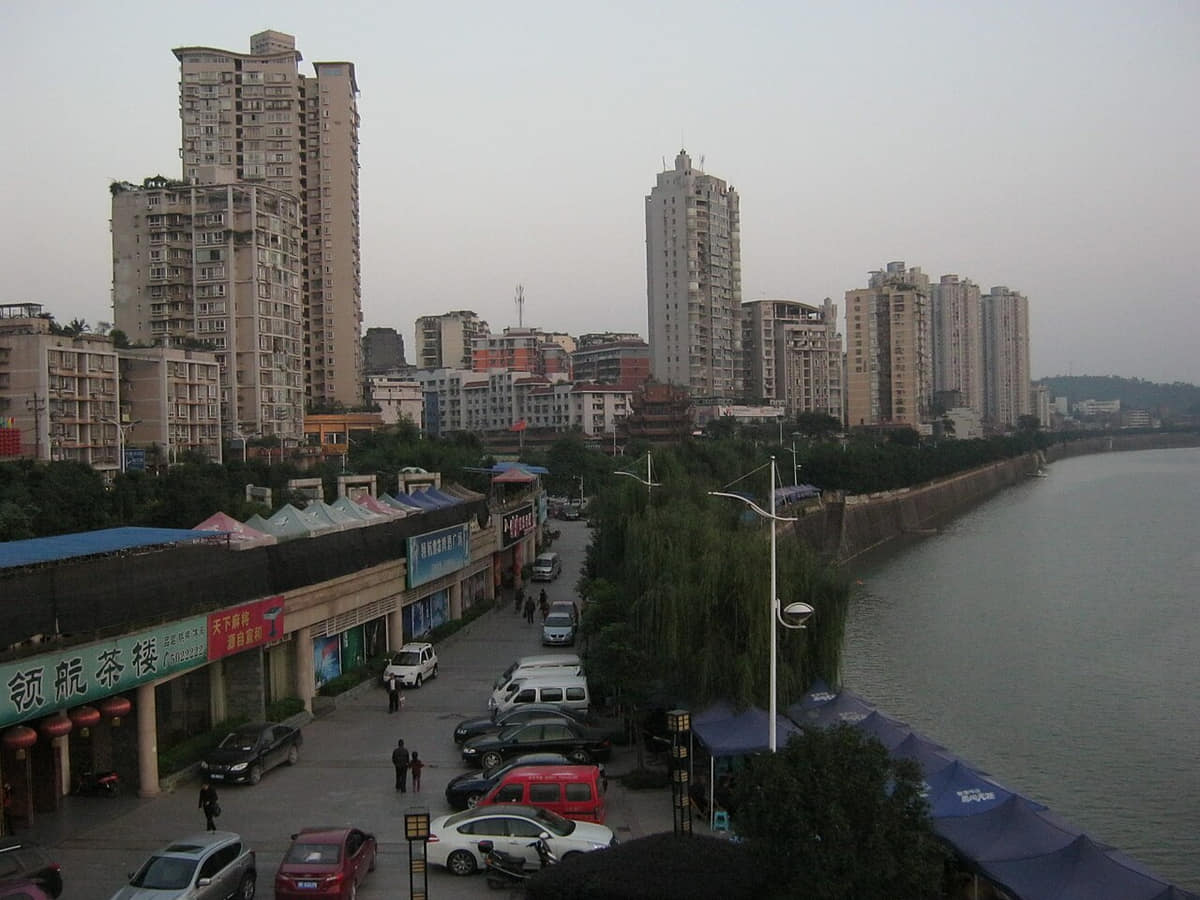 Neijiang · City systemsWhy was Neijiang called a sweet city?Sugarcane linked climate, farms, mills, transport, labor, trade, taste, and industrial change across the Tuo River hills.
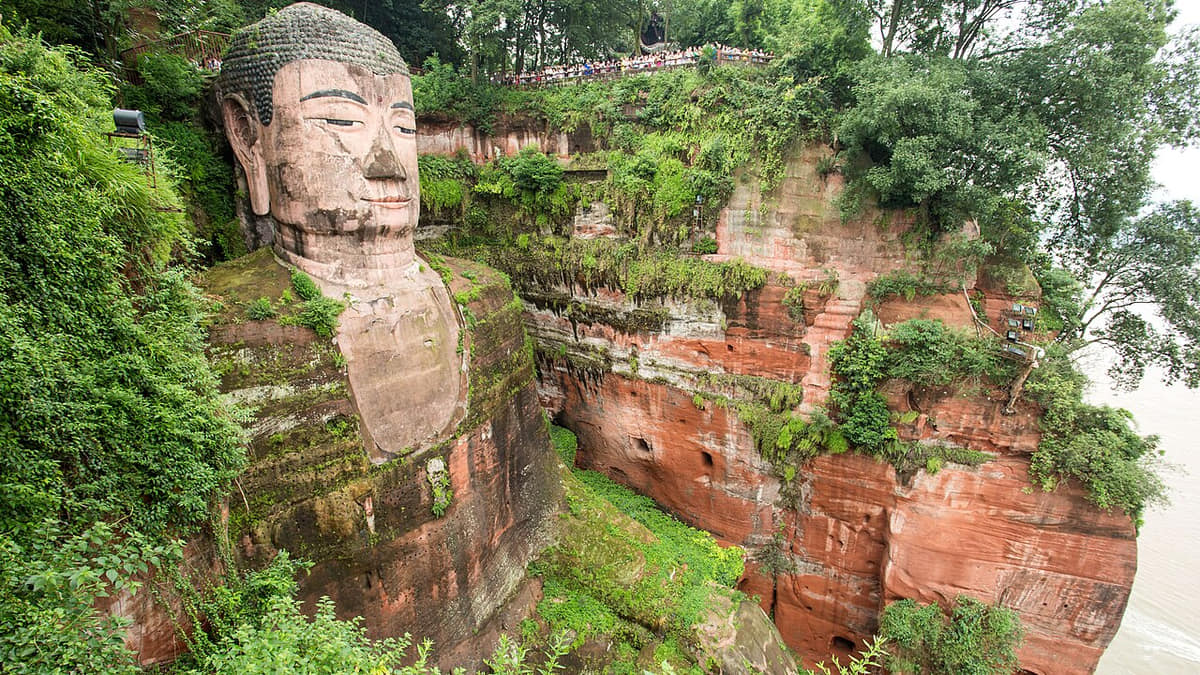 Leshan · City systemsWhy was a giant Buddha carved where three rivers meet?The site joins belief, river safety, cliff geology, labor, transport, engineering, pilgrimage, and modern conservation.
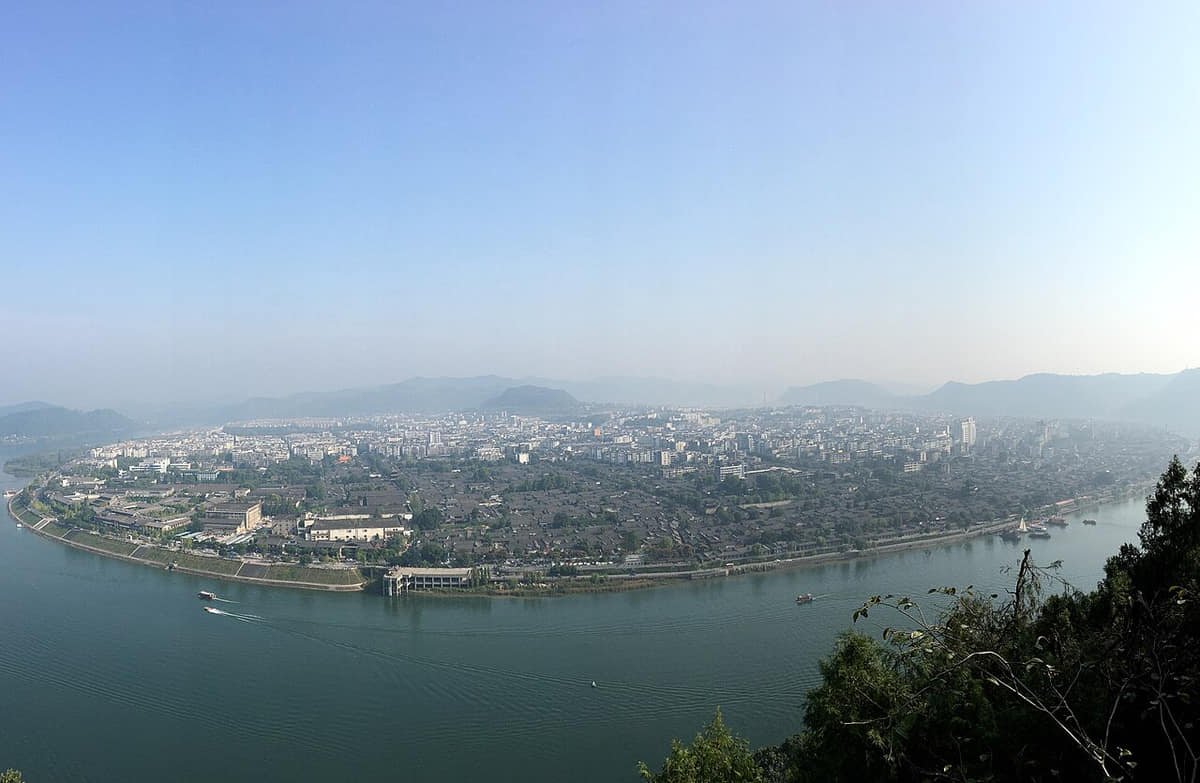 Nanchong · City systemsHow did the Jialing River make Nanchong a silk city?Mulberry fields, household labor, workshops, trade routes, river transport, factories, and fashion linked rural counties with urban markets.
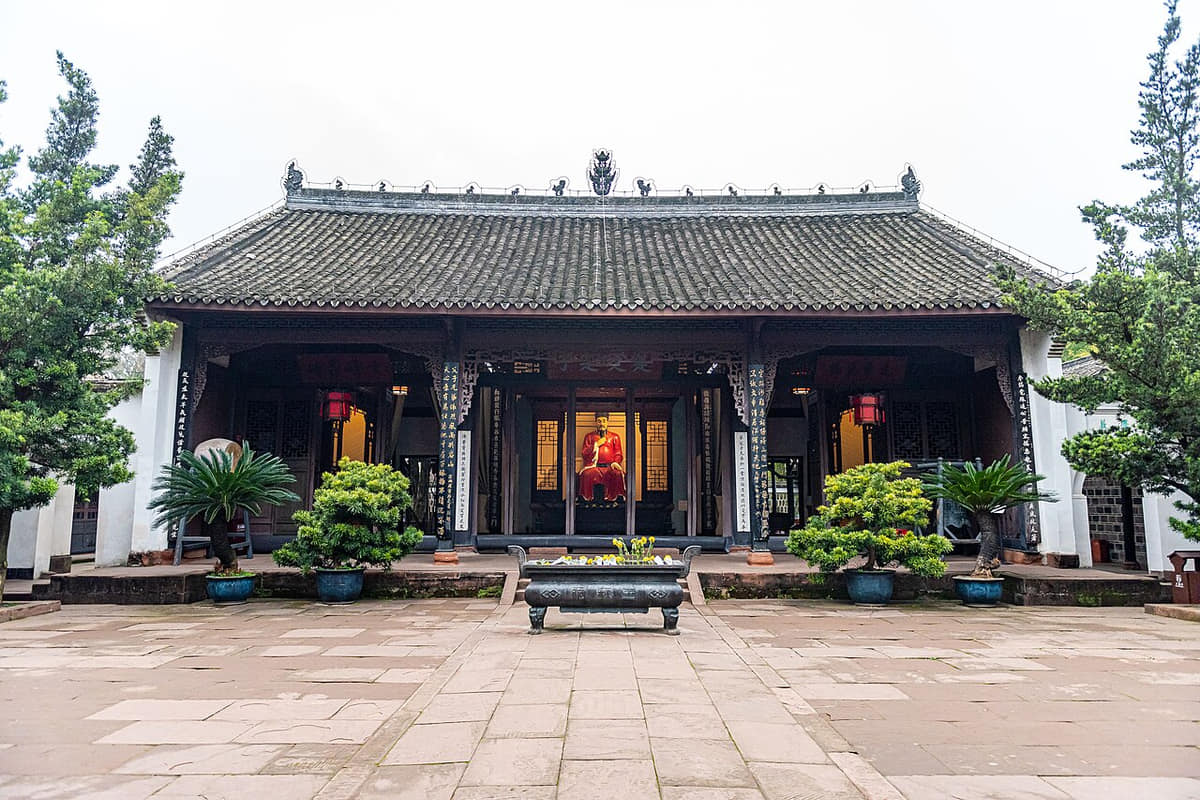 Meishan · City systemsHow does literature become a city landscape?In Meishan, family memory, texts, gardens, schools, food names, festivals, museums, and commercial branding continually reinterpret the Su writers.
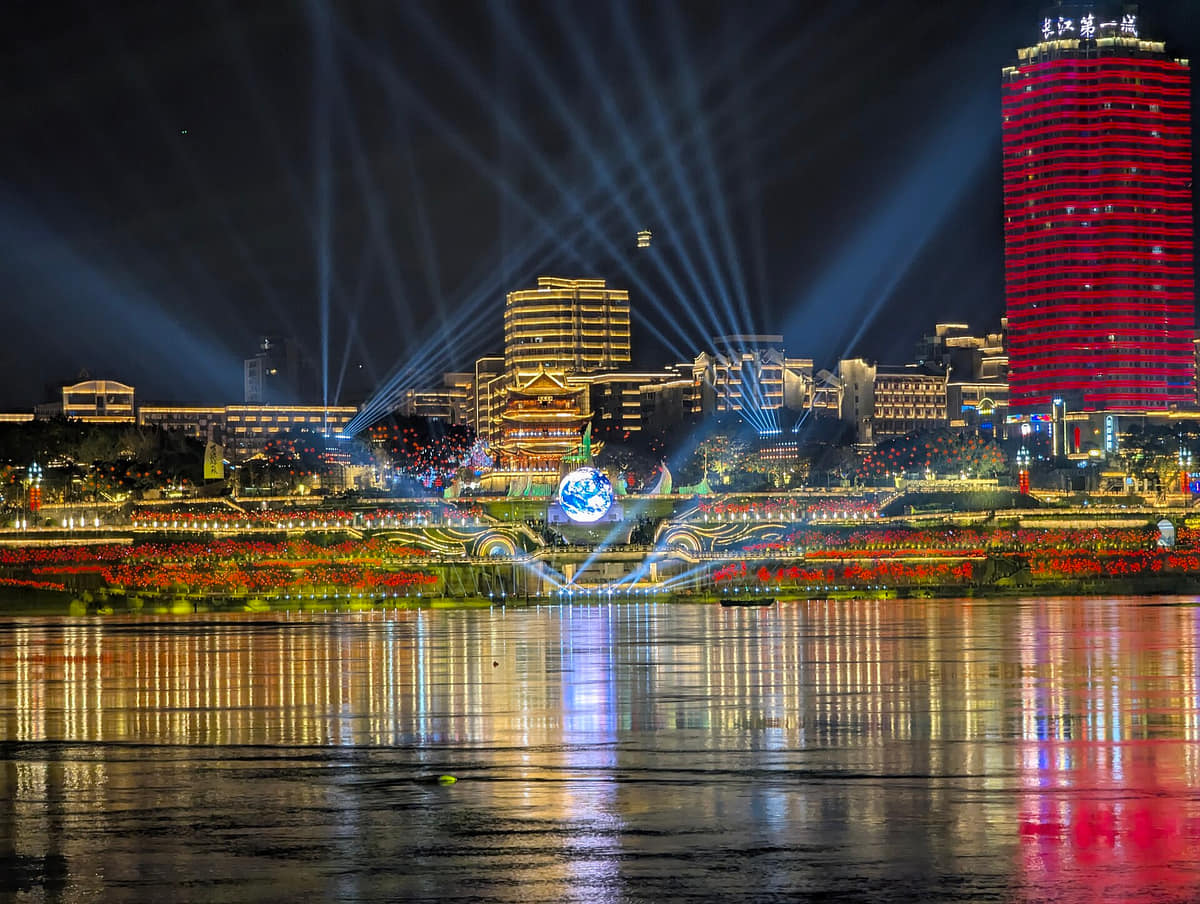 Yibin · City systemsWhere does the Yangtze begin?Yibin's confluence is both a naming point and a working landscape of currents, ports, bridges, ecology, industry, neighborhoods, and regional imagination.
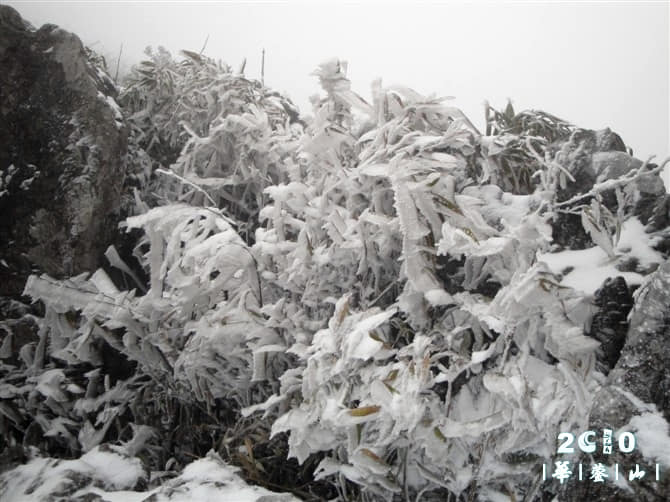 Guang'an · City systemsHow can Guang'an present modern biography without becoming political commentary?A museum-led approach separates documented life chronology, residence, education, local landscape, collections, and source criticism from present-day political advocacy.
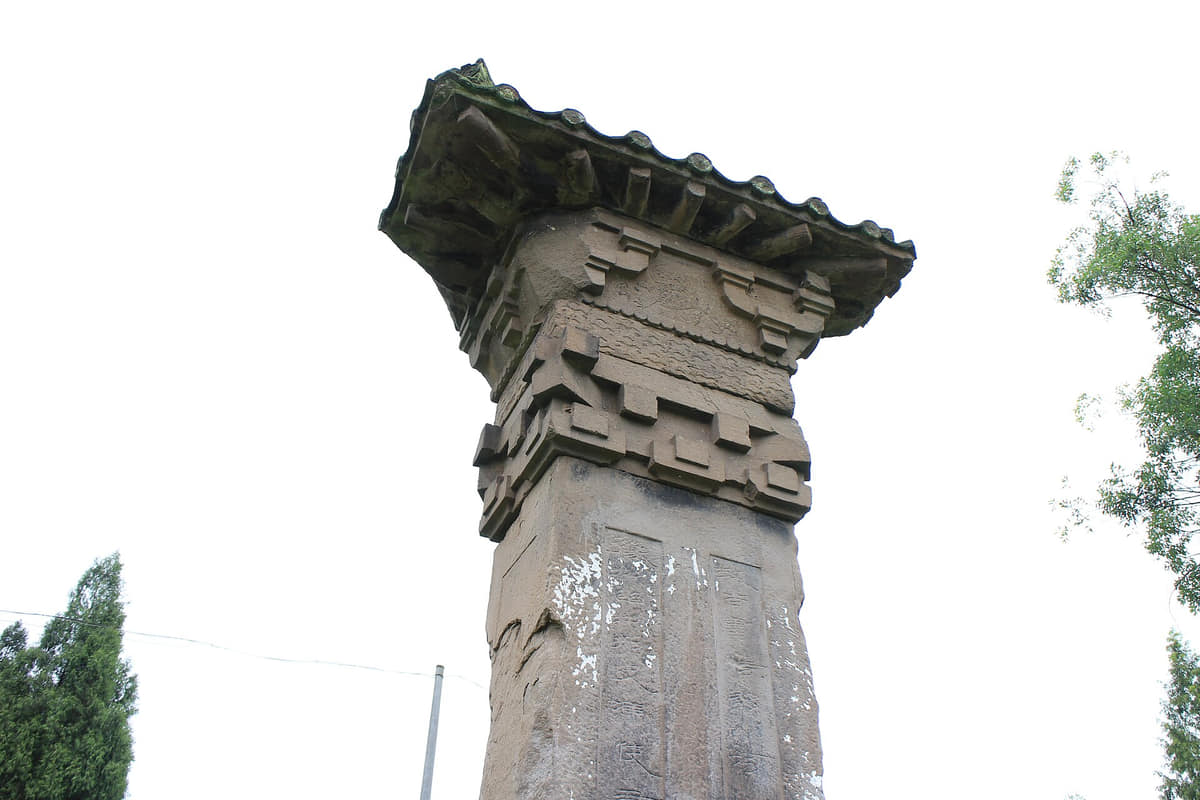 Dazhou · City systemsWhat do Dazhou's Han towers reveal about an ancient frontier?The surviving stone towers connect elite tombs, roads, carving workshops, imperial administration, local materials, and modern preservation.
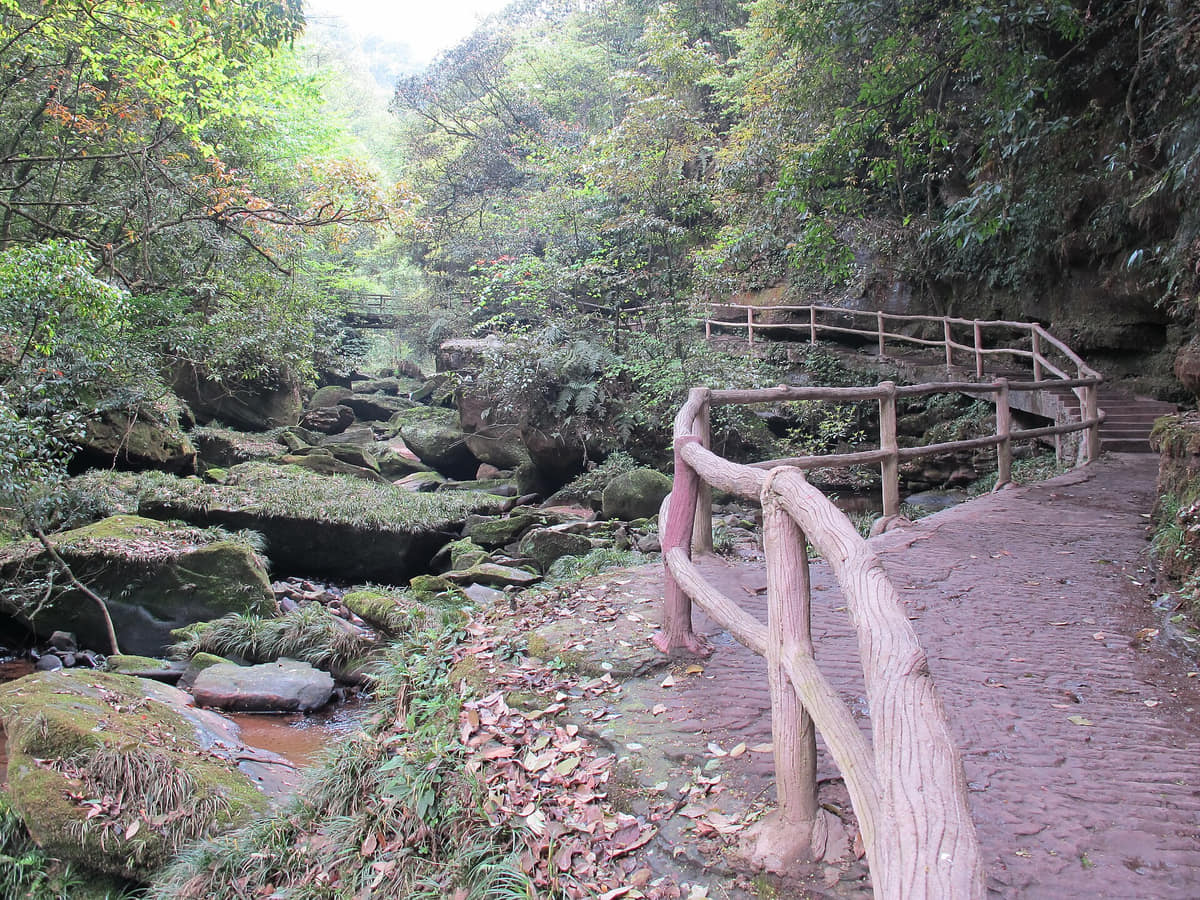 Ya'an · City systemsWhy are rain, tea, and pandas part of the same landscape?Moist mountain climate supports tea and forest habitat, while routes, farms, conservation rules, towns, and tourism determine how people live within it.
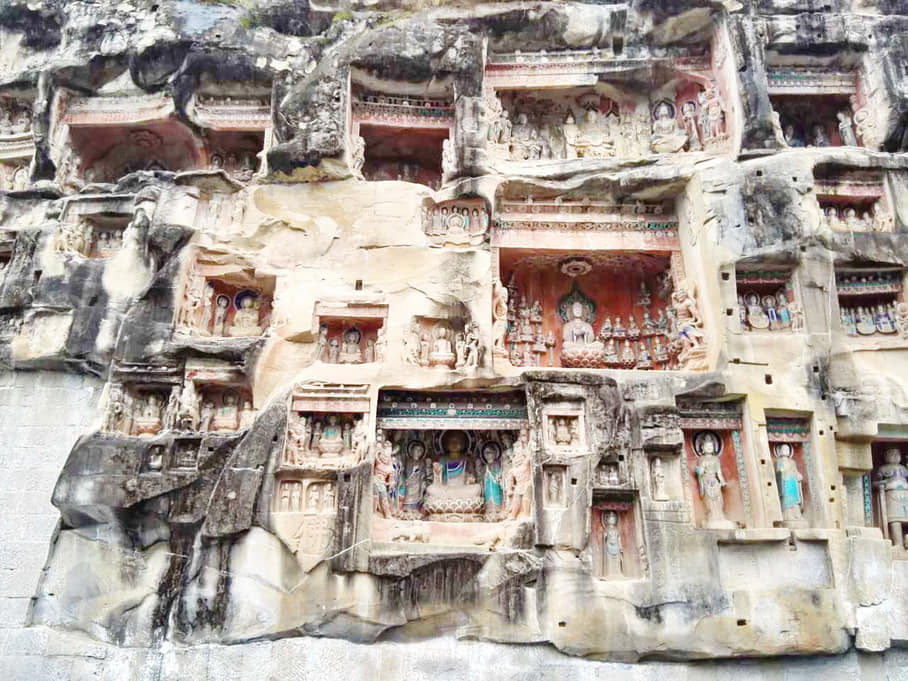 Bazhong · City systemsWhy are Bazhong's grottoes carved into red sandstone?Geology made carving possible, while roads, patronage, workshops, Buddhist practice, weathering, repainting, and conservation shaped what survives.
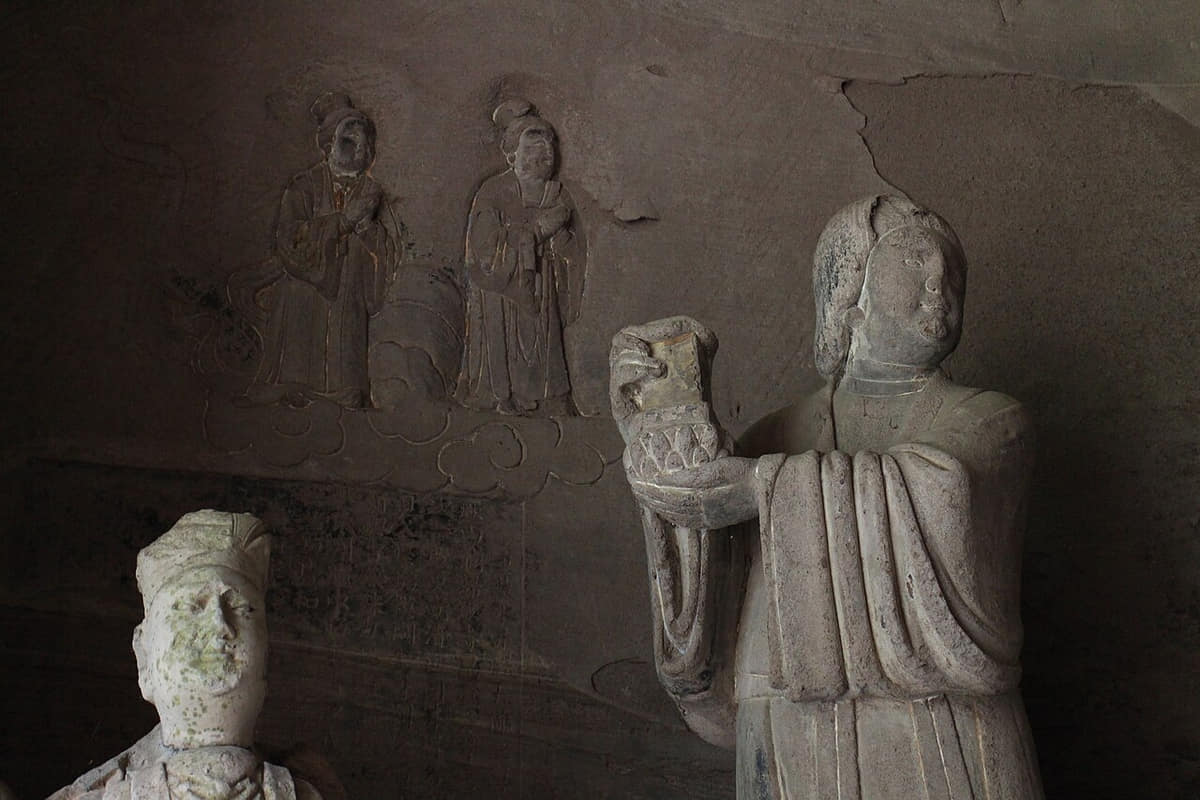 Ziyang · City systemsWhy are Anyue's carvings spread across the countryside?Cliffs, roads, villages, patrons, workshops, worship, farming, weather, and modern access created a network rather than one enclosed monument.
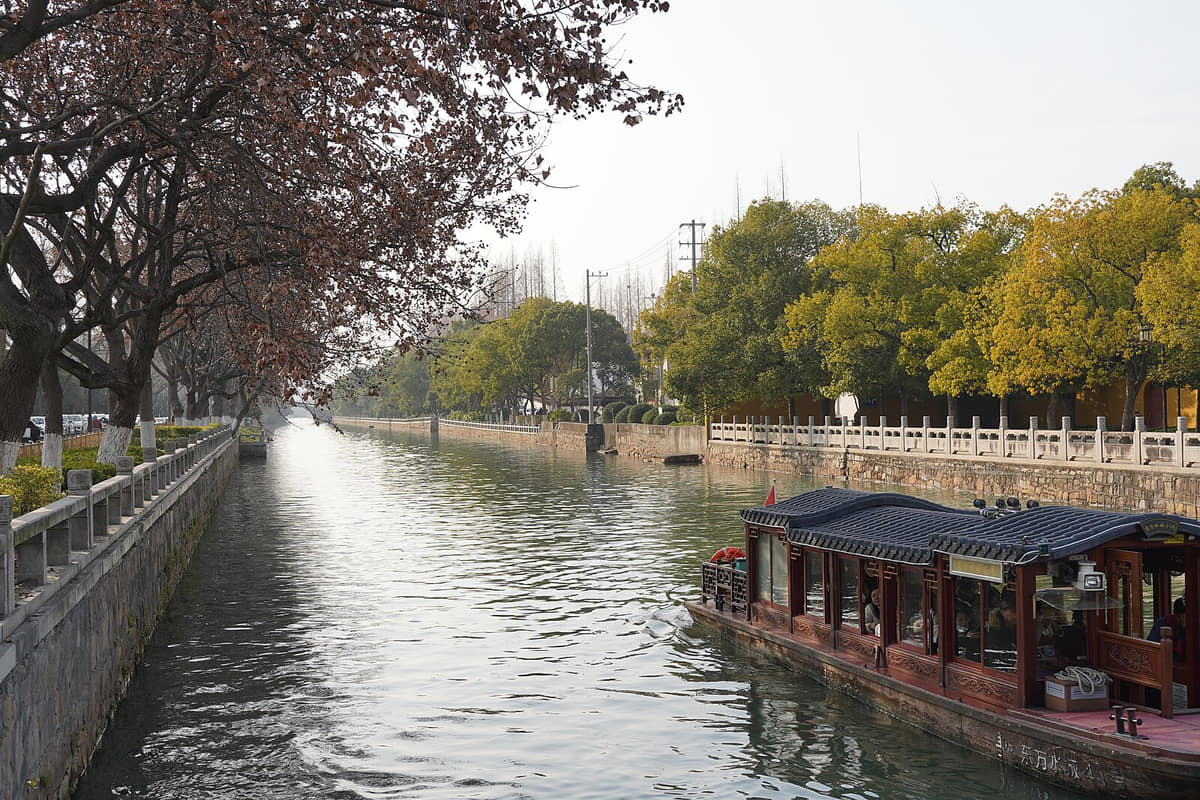 Suzhou · City systemsHow do water, gardens and industry coexist in Suzhou?Suzhou's canals are not a decorative preface to a garden city. They are part of a larger municipal system linking old neighborhoods, protected landscapes, county-level manufacturing cities and Yangtze logistics.
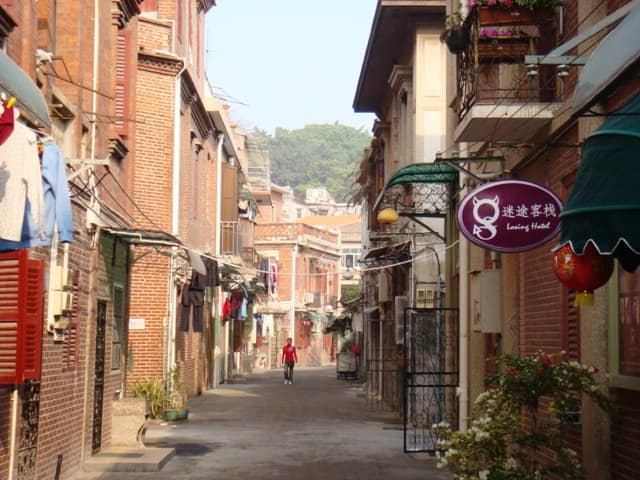 Xiamen · City systemsWhy does Xiamen feel both island-based and outward-looking?Harbors, migration, sea routes, language, schools, and architecture made the city outward-looking, while bays and district geography keep local identities distinct.
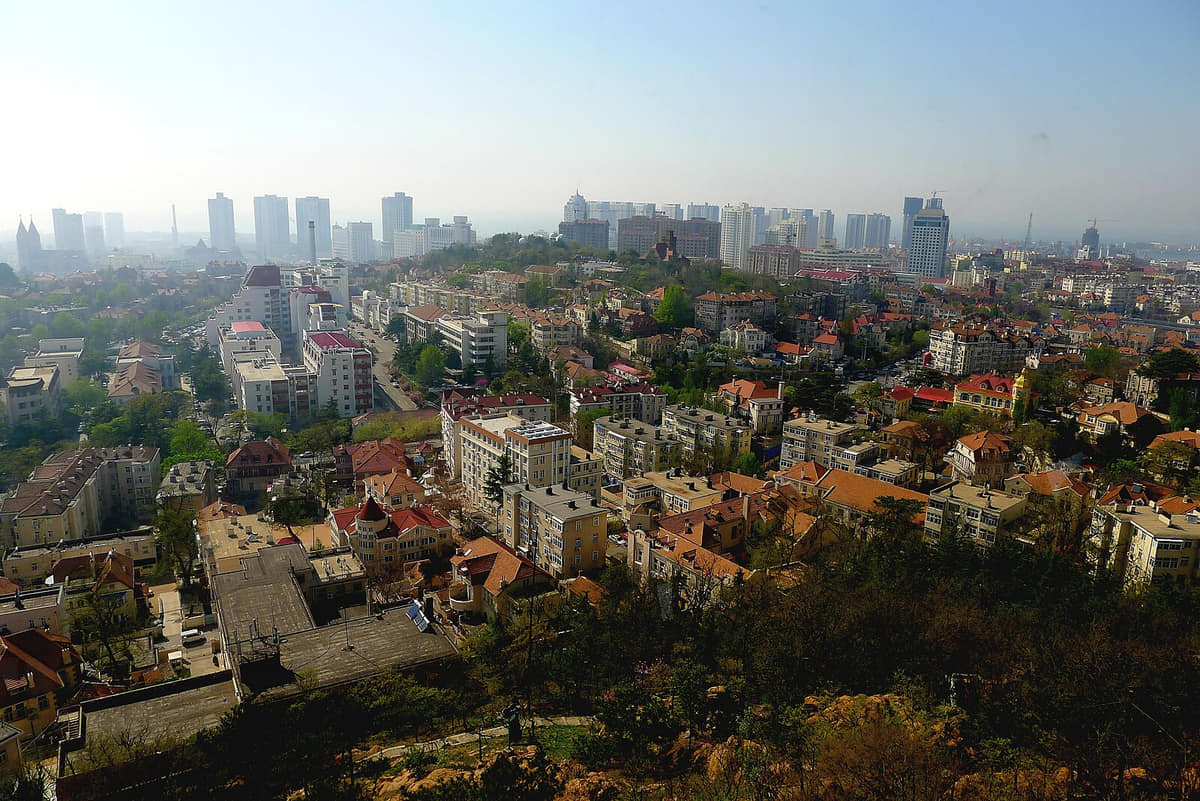 Qingdao · City systemsHow did a bay shape Qingdao's architecture and industry?The bay organized port construction, rail, factories, housing, beaches, marine research, and fishing work; its different shores still produce different urban experiences.
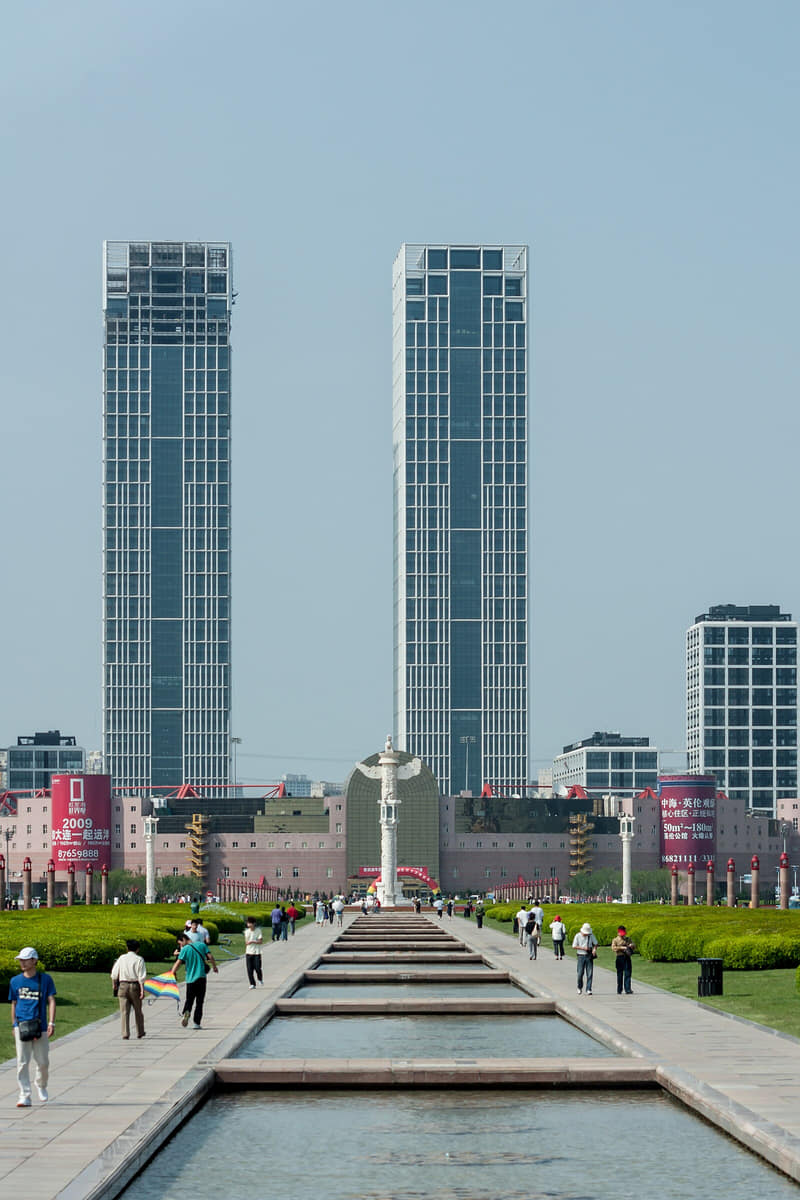 Dalian · City systemsWhy does Dalian read as several peninsula cities at once?Ports, military and industrial histories, planned streets, island fisheries, inland counties, and separate coastlines created centers with different memories and daily rhythms.
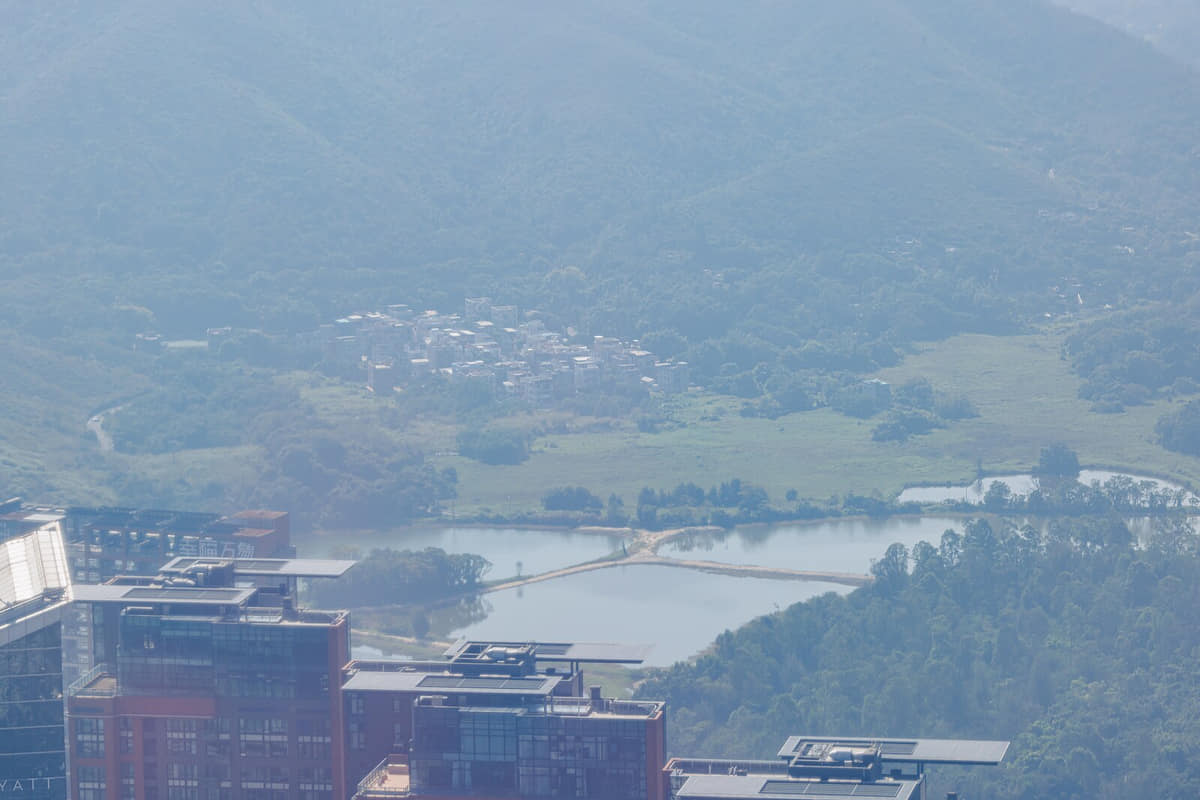 Shenzhen · City systemsHow did villages, factories, and migration build Shenzhen?The city grew through negotiated layers rather than on empty land: village collectives, industrial zones, migrants, infrastructure, markets, ecological boundaries, and public investment all shaped the result.
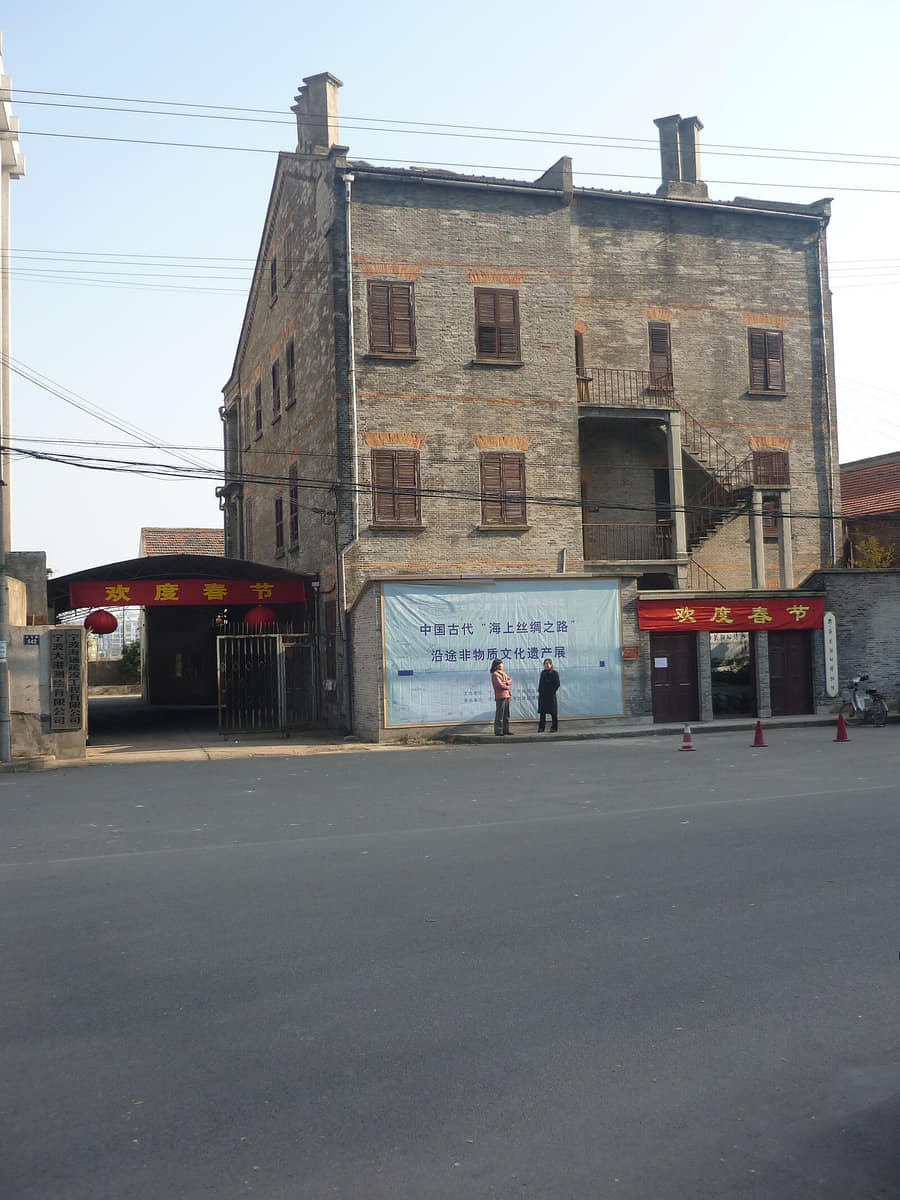 Ningbo · City systemsHow do a library, an estuary, and a global port belong to one city?Books, merchants, waterways, coastal exchange, archaeological landscapes, and modern logistics reveal a long history of organizing knowledge and movement.
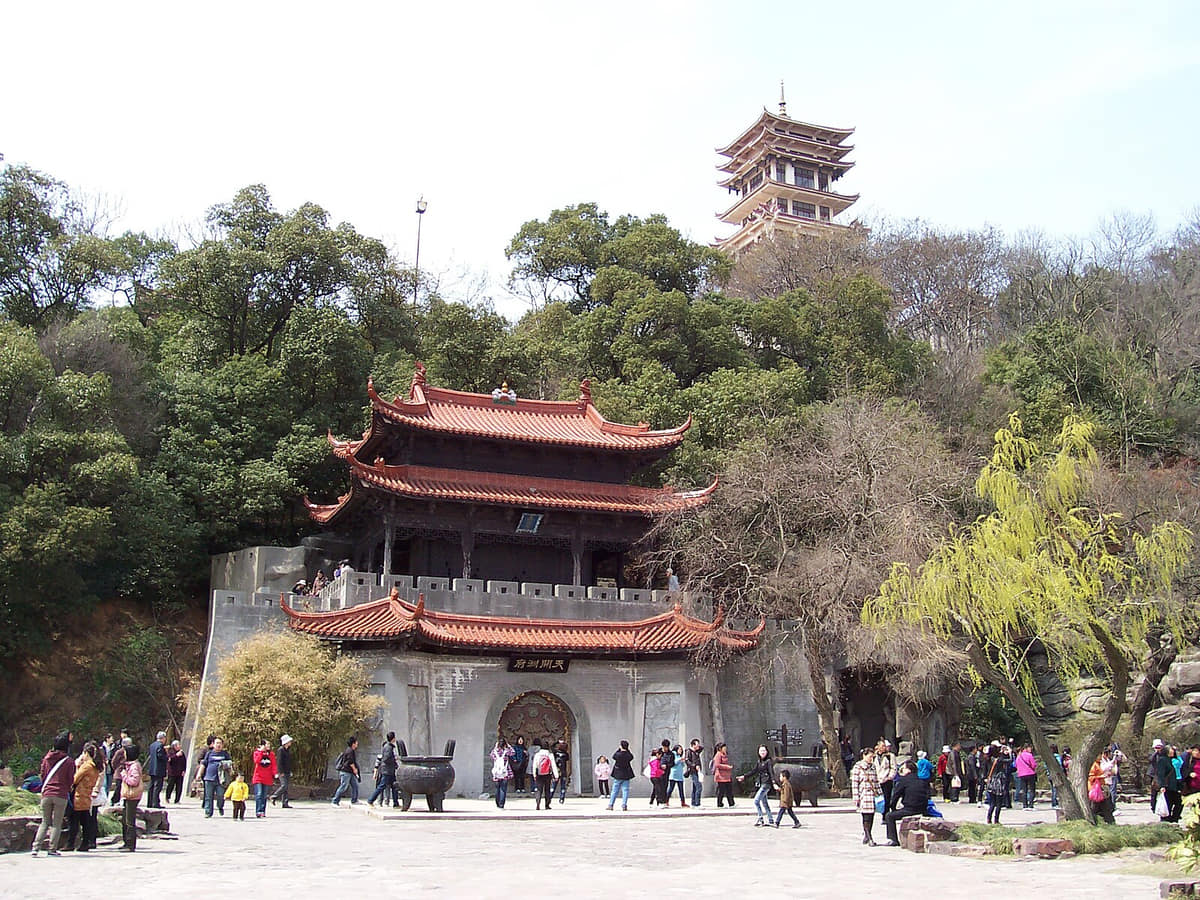 Wuxi · City systemsHow did lake water and canal trade support Wuxi's industry?Water routes moved grain, silk, clay, people, and later industrial goods; today the same lake system also imposes ecological limits and restoration responsibilities.
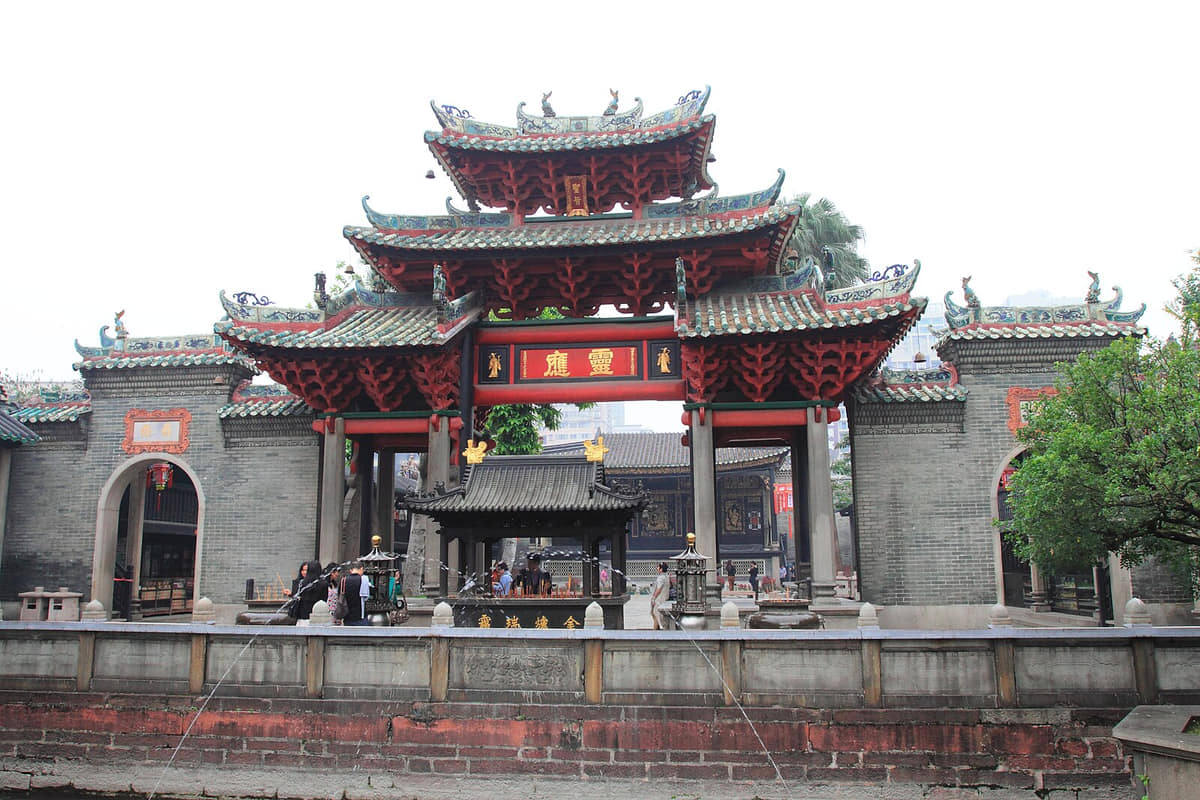 Foshan · City systemsHow did workshops become a modern manufacturing city?Kilns, guilds, metalwork, food processing, family firms, township factories, logistics, and design upgrading form a continuous but changing production culture.
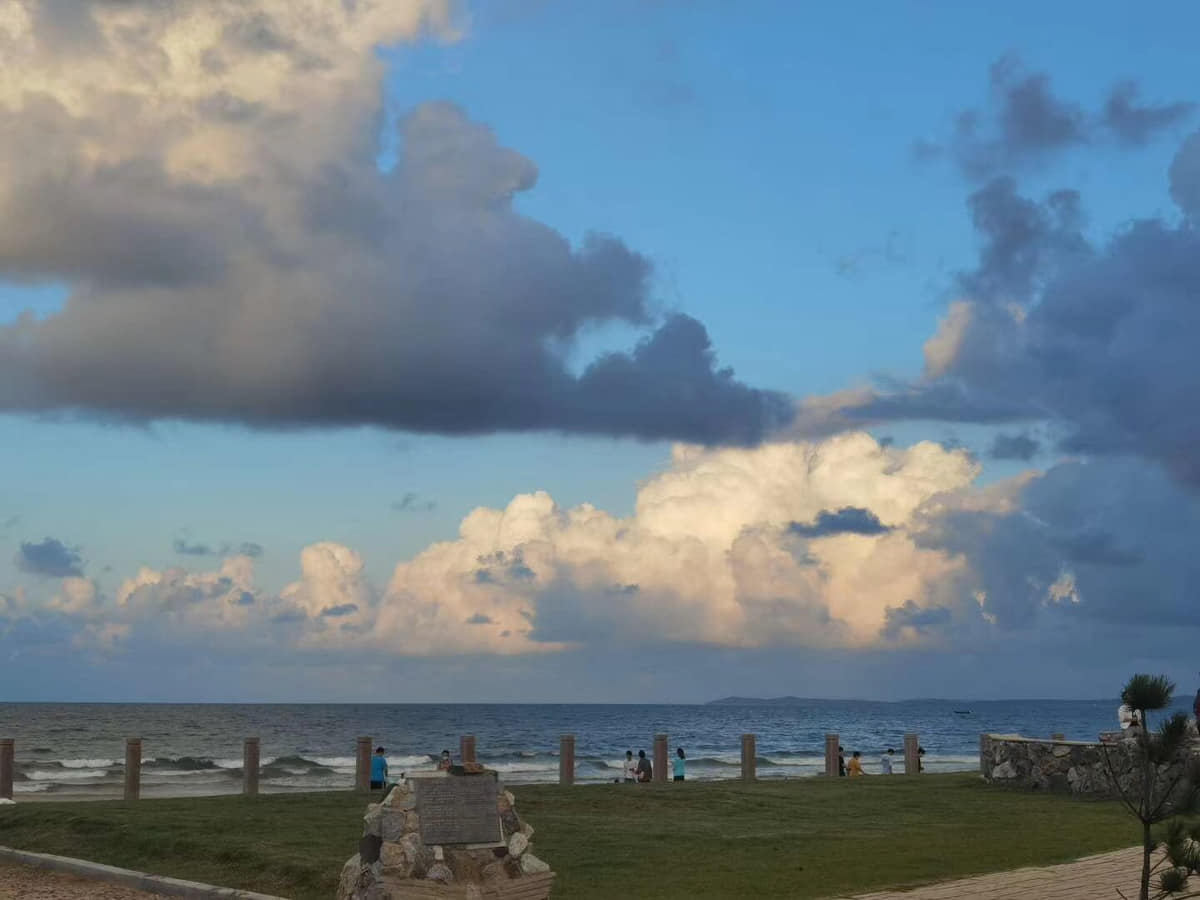 Yantai · City systemsWhy do ports and orchards define the same peninsula city?Maritime moderation, slopes, transport, export demand, family farming, cold storage, and port logistics tie inland orchards to coastal industry and trade.
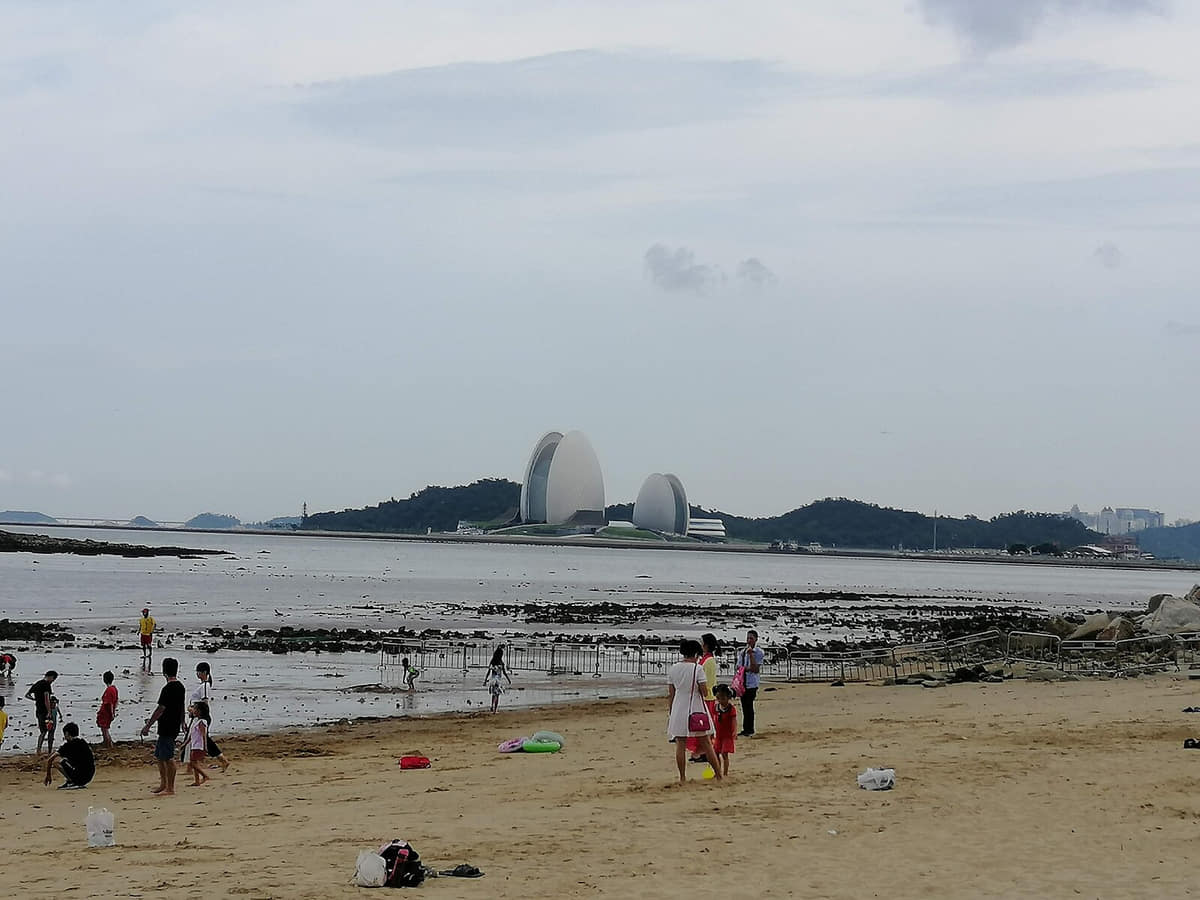 Zhuhai · City systemsHow do islands and estuary waterways organize Zhuhai?Bridges, ferries, village routes, planned waterfronts, mangroves, fisheries, and new districts show that access and ecology shape every part of the municipality differently.
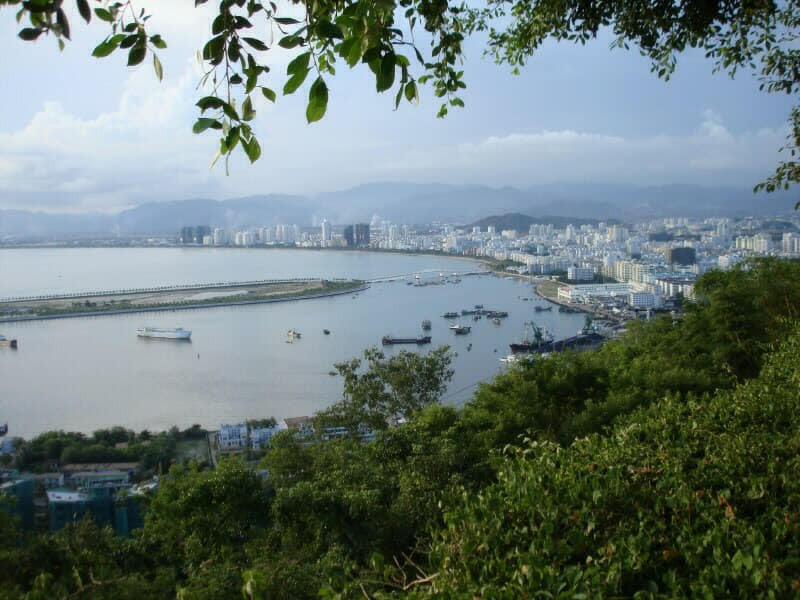 Sanya · City systemsWhat exists beyond Sanya's resort-bay image?Historic Yazhou, farming, fishing, village life, tropical forests, water constraints, seasonal labor, and conservation show a working city whose communities experience tourism differently.
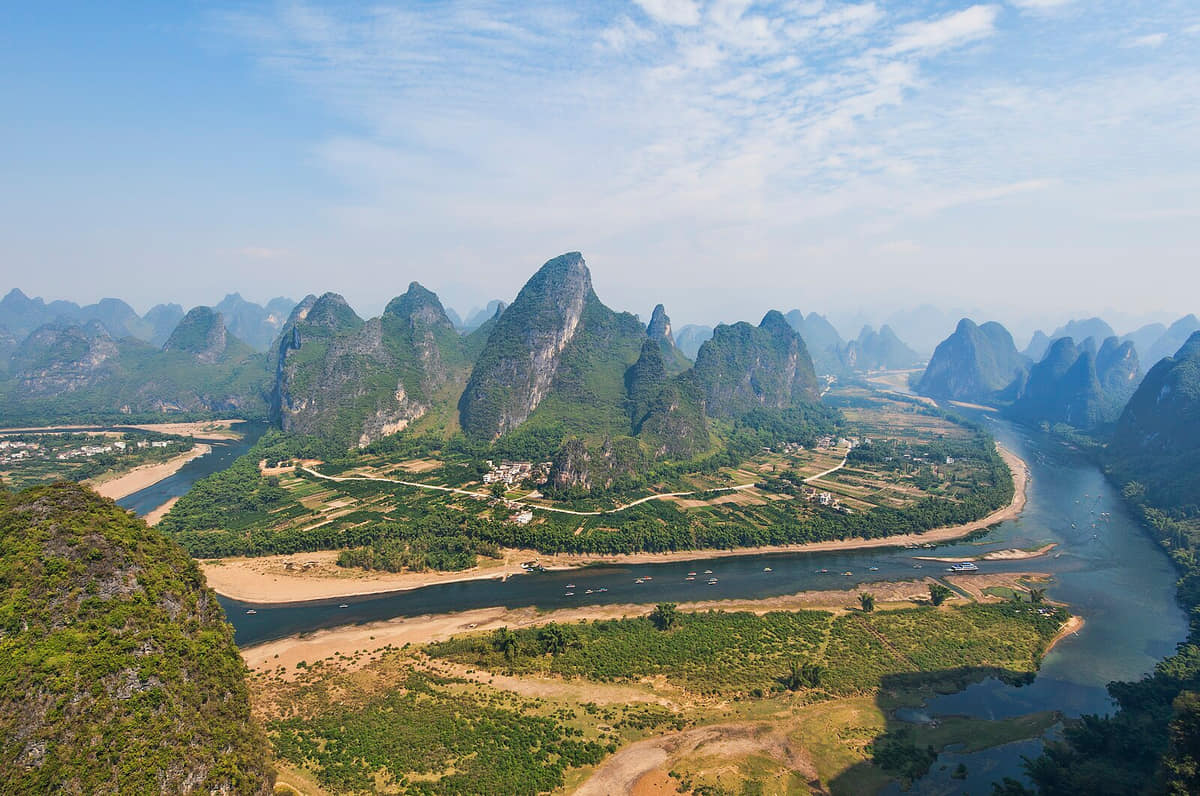 Guilin · City systemsHow do karst landscapes shape life beyond the postcard?Steep limestone, caves, flood cycles, narrow fields, river transport, tourism, farming, and county access create opportunities and limits that vary across the municipality.
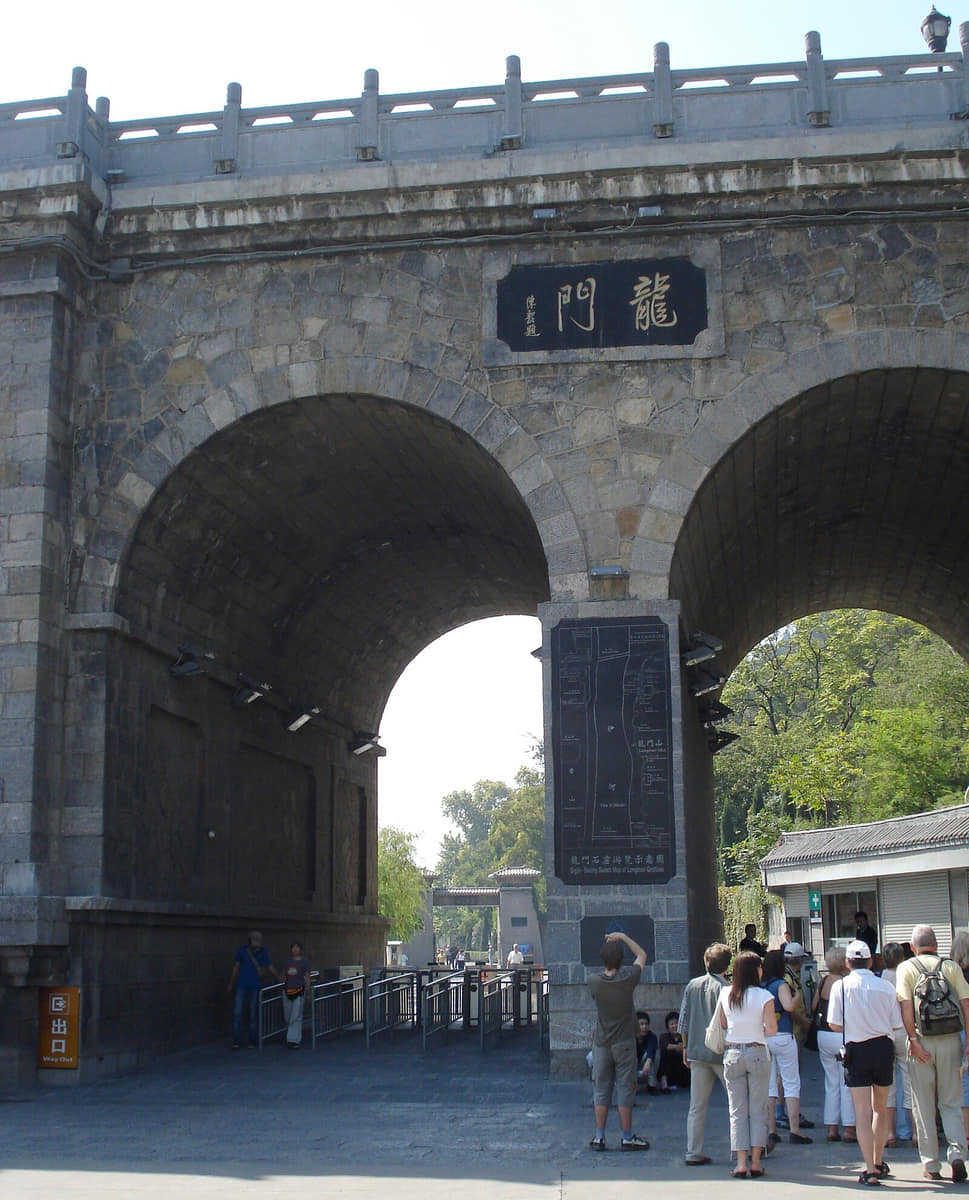 Luoyang · City systemsHow can one city contain many different capital-city layers?Changing river courses, dynastic planning, archaeology, reuse, destruction, ritual, and modern construction left overlapping centers instead of one preserved capital.
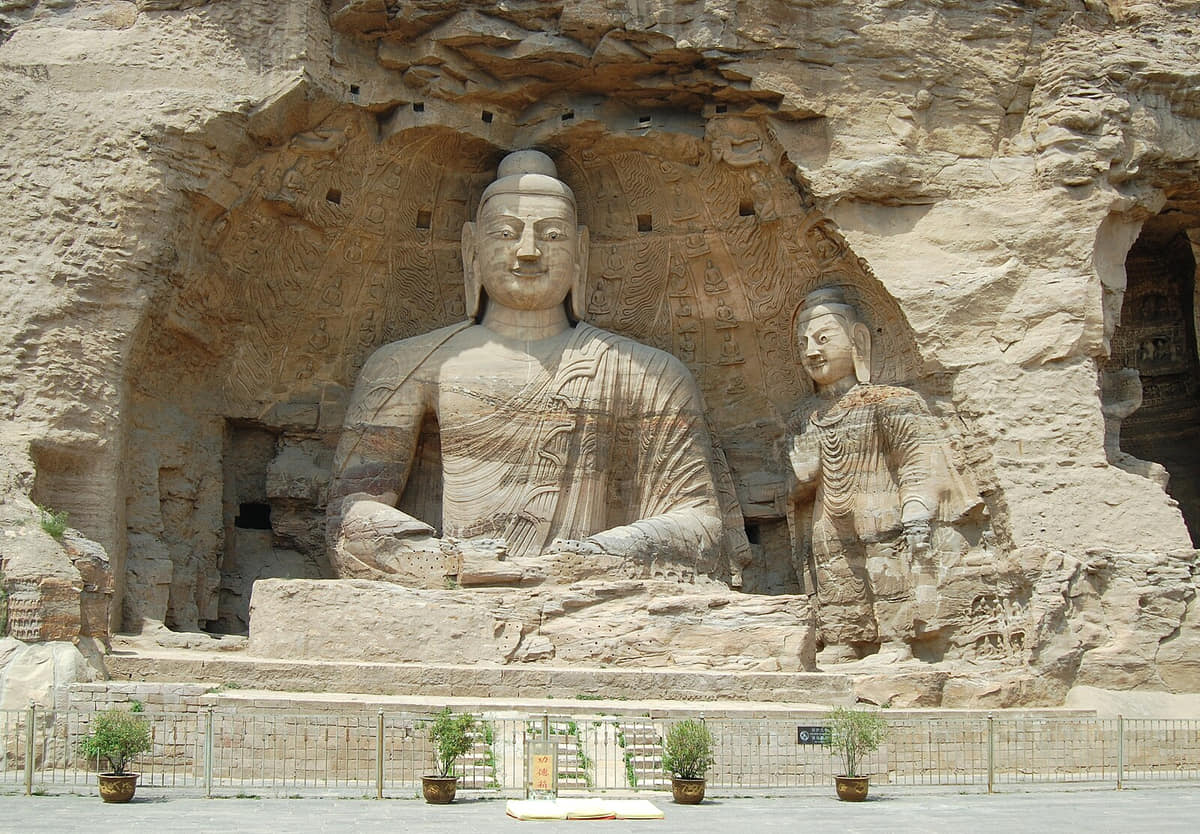 Datong · City systemsHow do grottoes, frontier routes, and energy industry overlap in Datong?Stone, plateau corridors, political centers, labor, coal, rail, conservation, and reconstruction each reorganized the city without erasing earlier layers.
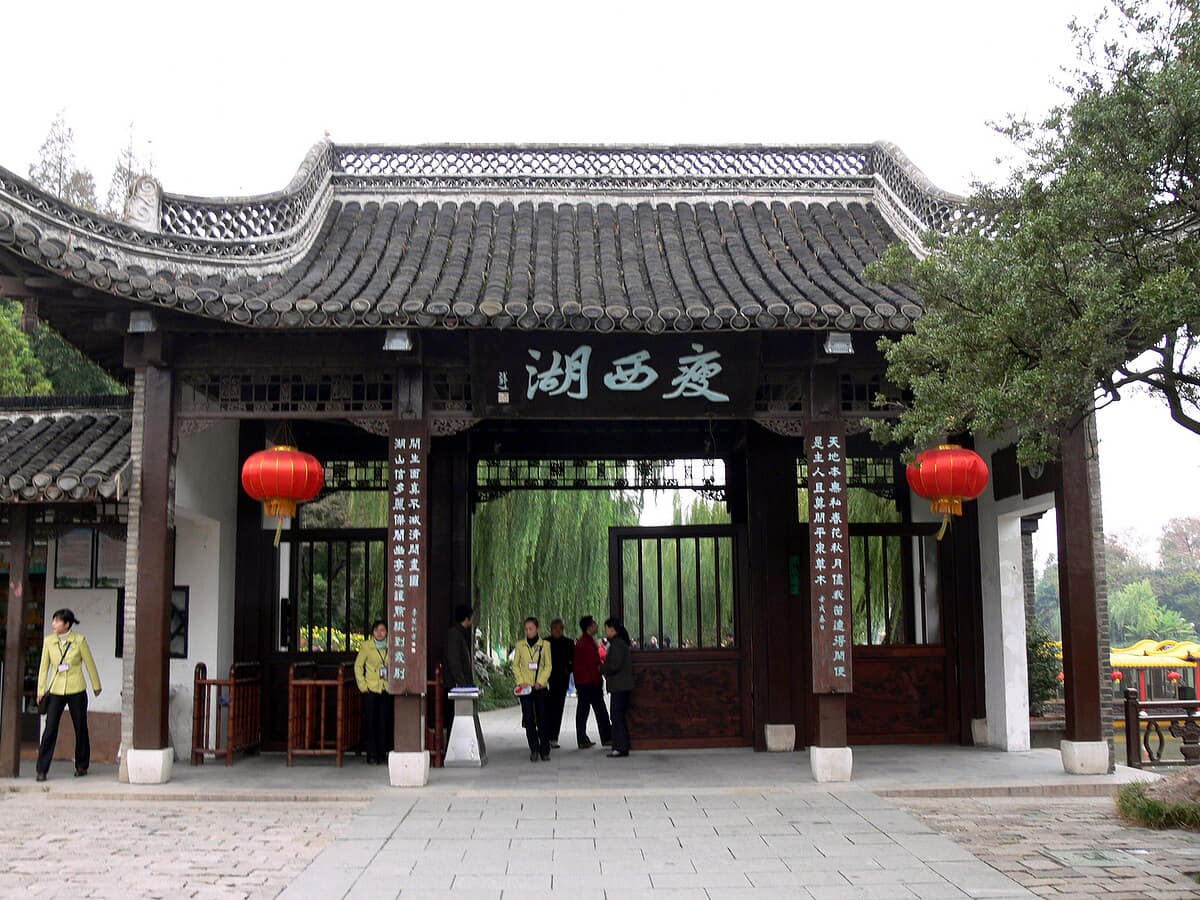 Yangzhou · City systemsHow did canal wealth become gardens, food, and craft?Transport and salt commerce funded households, gardens, kitchens, publishing, and workshops; changing waterways and modern conservation later transformed how those legacies are used.
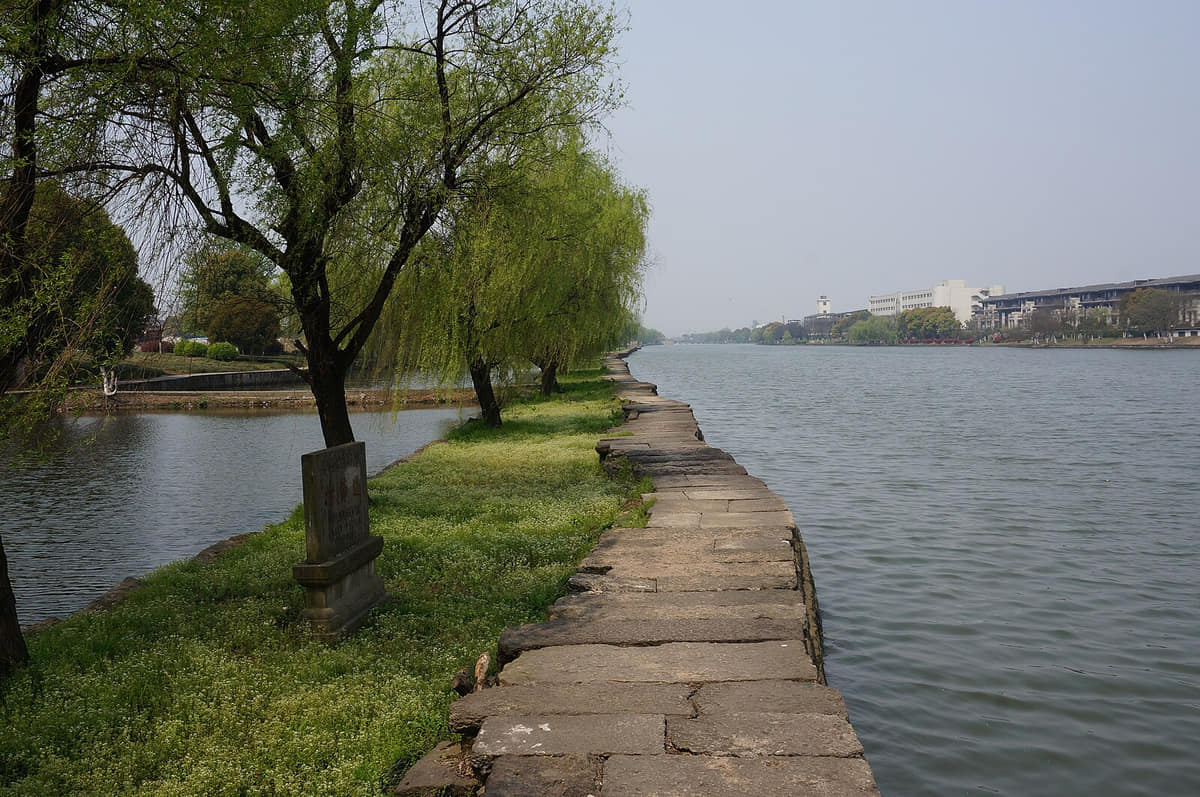 Shaoxing · City systemsHow do canals connect literature, wine, and textiles in Shaoxing?Water moved grain, wine, cloth, people, and stories; canal-side workshops, markets, schools, and modern factories turned mobility into a durable cultural and economic system.
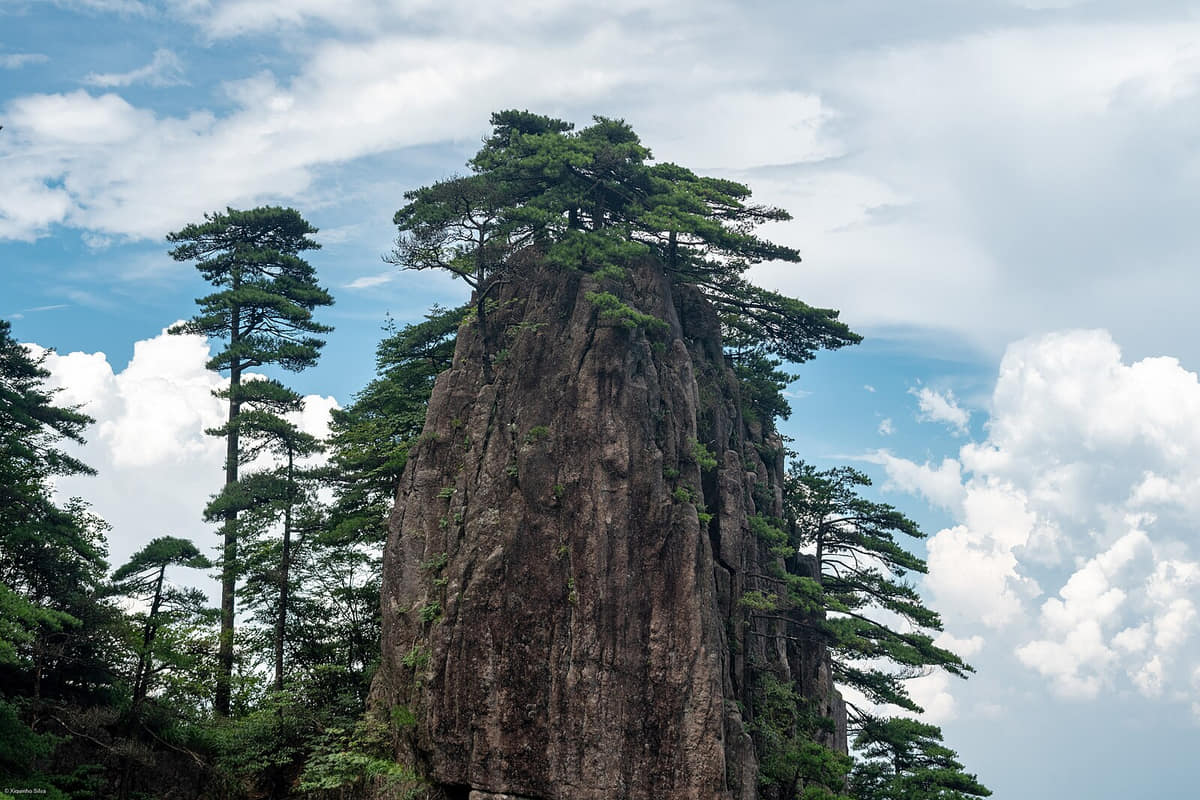 Huangshan · City systemsWhy must Mount Huangshan and Huizhou villages be read together?Mountain water, timber, farmland limits, migration, merchant capital, lineage institutions, craft, and tourism link the peaks with settlements far beyond the scenic area.
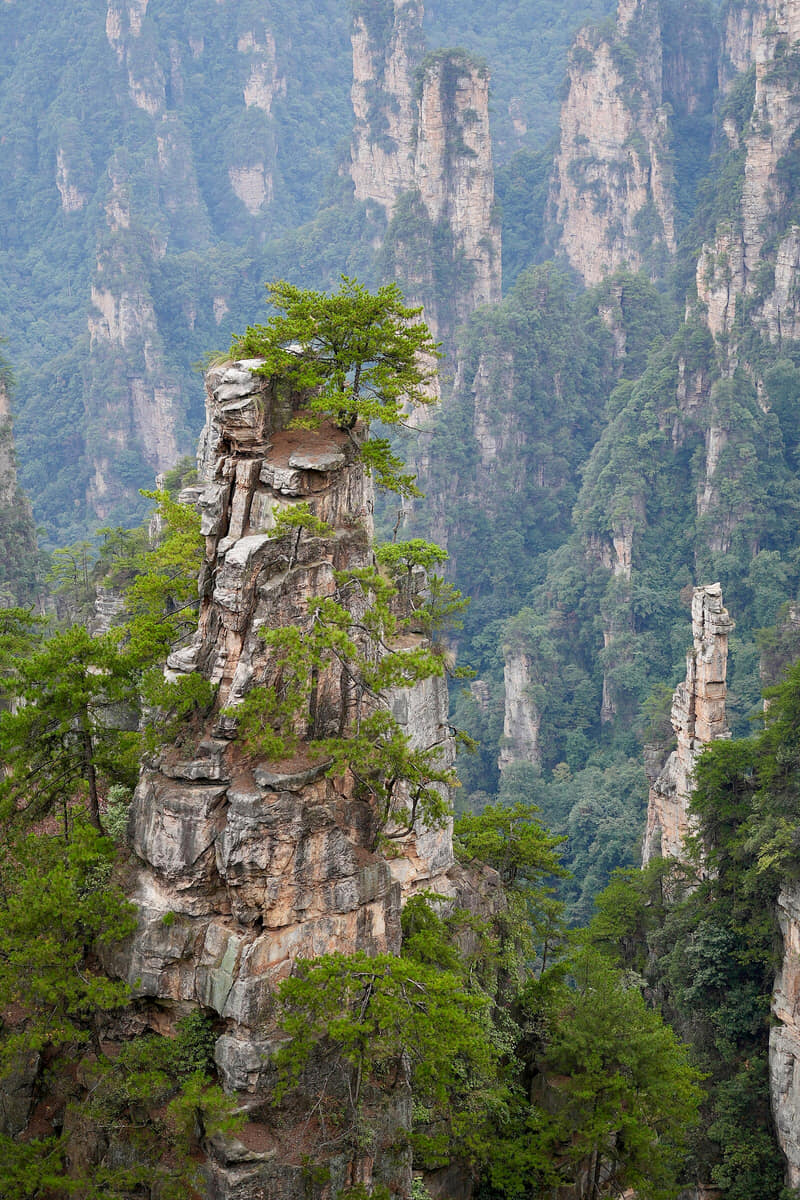 Zhangjiajie · City systemsHow do protected pillars and local communities share one landscape?Conservation zoning, farms, village routes, tourism revenue, guiding work, relocation, weather, and visitor pressure create benefits and constraints that are not experienced equally.
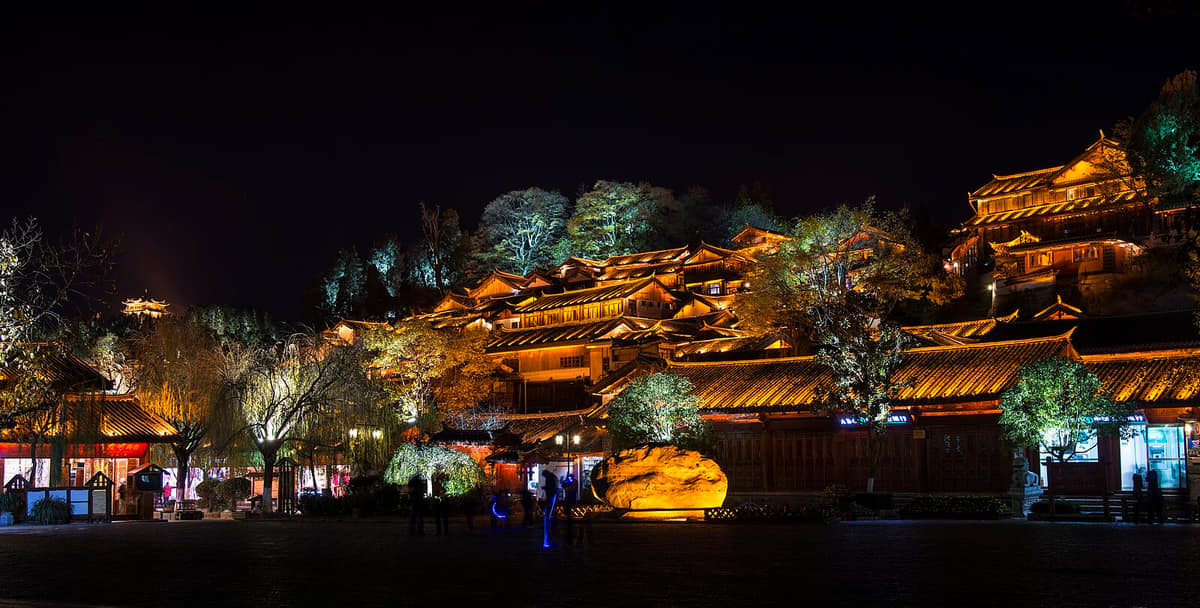 Lijiang · City systemsHow do water, mountains, and mobility shape Lijiang?Glacial and mountain water, basin settlement, trade routes, community institutions, earthquakes, roads, tourism, and heritage rules continually reorganize who can live and work where.
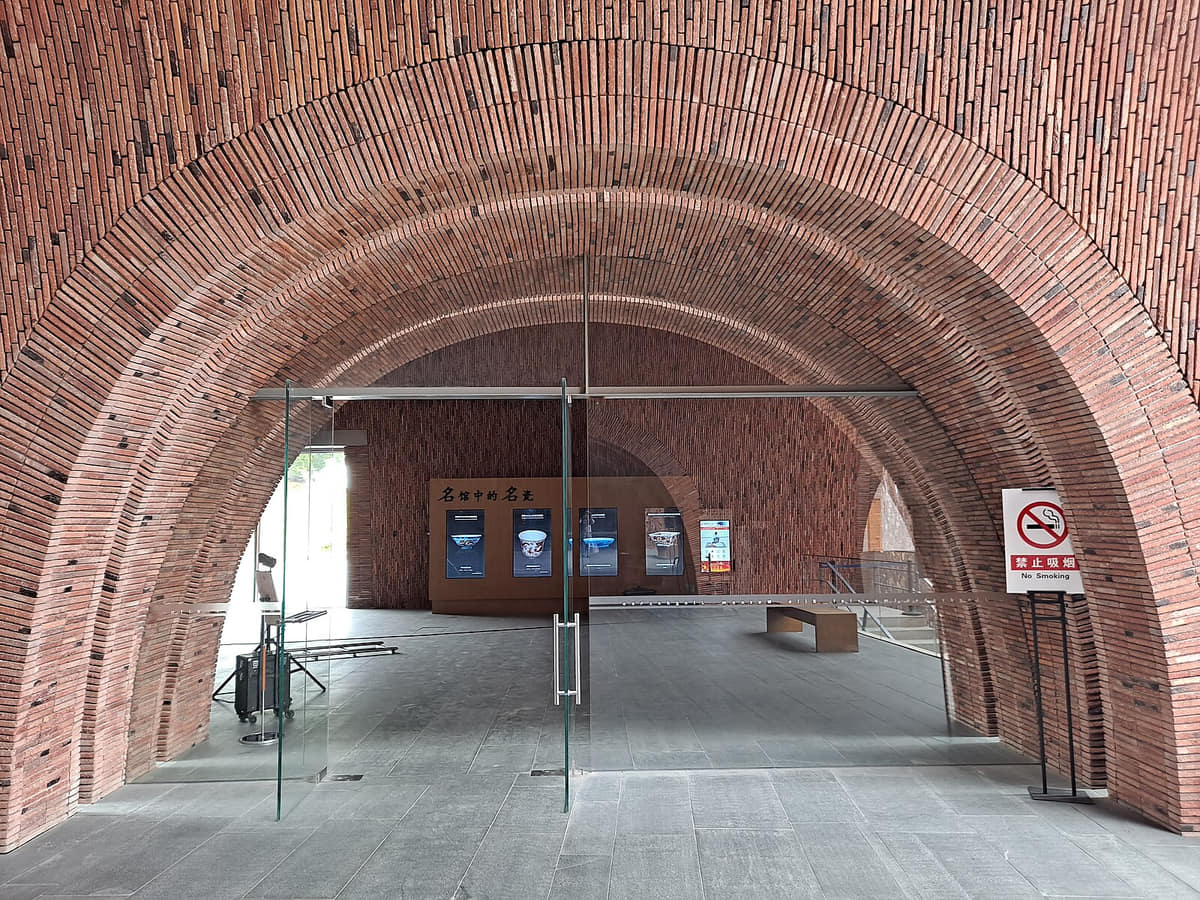 Jingdezhen · City systemsHow did clay, kilns, and trade make a global craft city?Materials, water, fuel, specialized labor, imperial demand, merchant routes, factory organization, design education, and global collectors repeatedly remade production in the same place.