
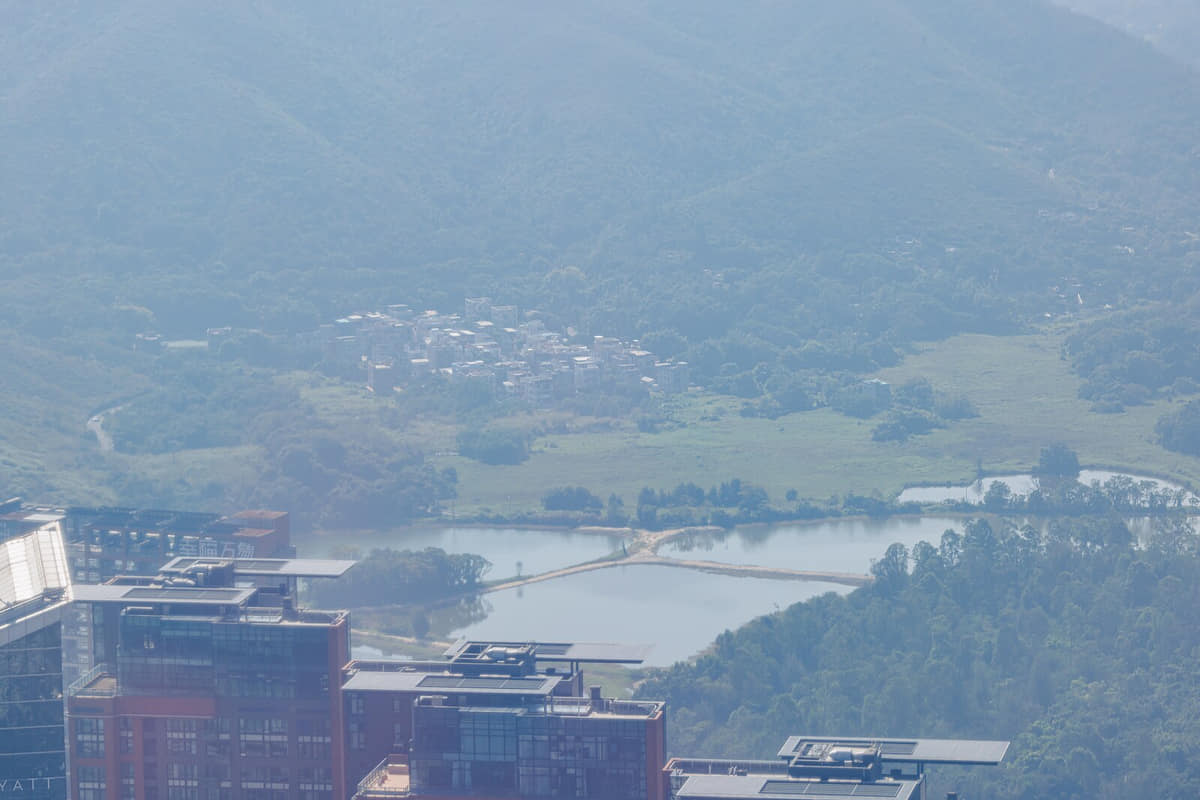
The city grew through negotiated layers rather than on empty land: village collectives, industrial zones, migrants, infrastructure, markets, ecological boundaries, and public investment all shaped the result.[1][2][3][4]
The evidence is distributed across museums, landscapes, working neighborhoods, district and county routes, and local collections. Reading them together avoids reducing Shenzhen to one postcard image.[1][2][3][4]
Shenzhen is best understood as connected systems rather than a single attraction.[1][2][3][4]
This account separates documented facts from interpretation, avoids political positioning, and leaves room for different residents' experiences.[1][2][3][4]
What does this reveal about Shenzhen?
Shenzhen should be read through rapid migration, former villages, factory districts, wetlands, mountain and bay systems, electronics markets, civic architecture, and successive waves of urban reinvention.[1][2][3][4]