
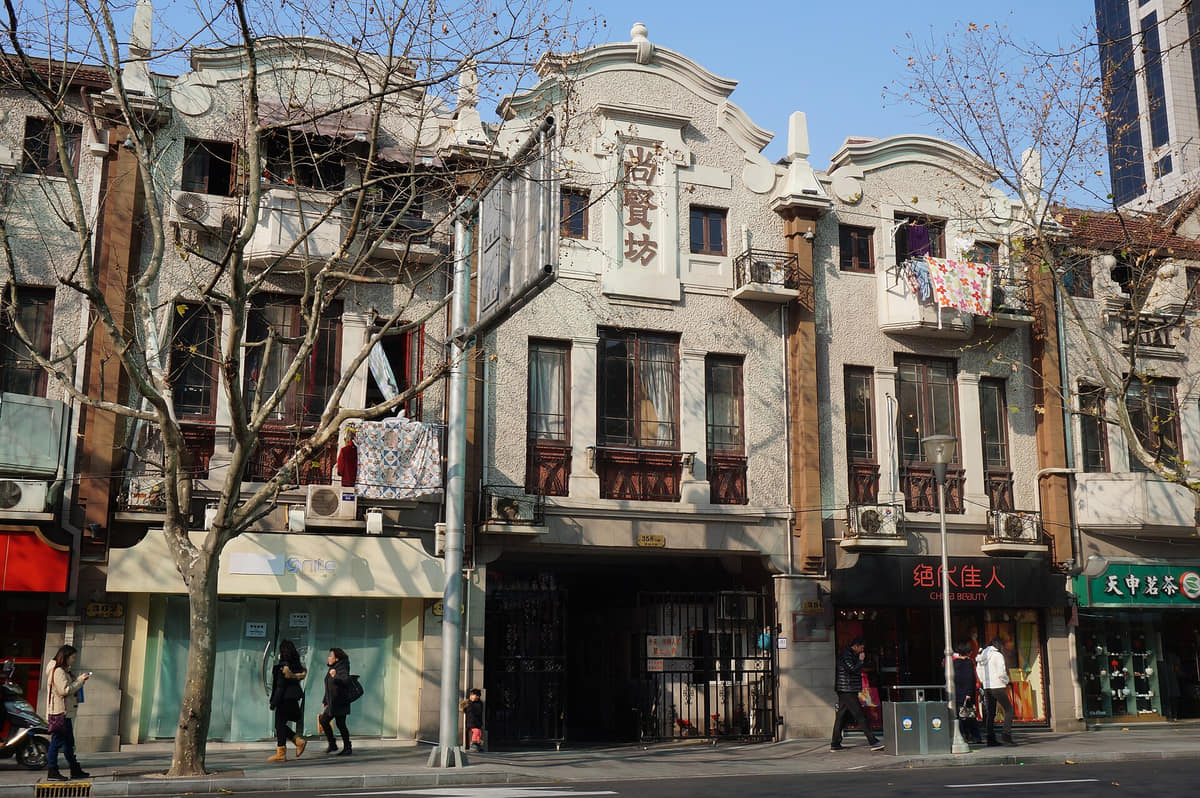
Shanghai’s skyline condenses a story of finance, development, and global visibility. At street level, the city becomes more varied: residential lanes, former industrial buildings, local shops, schools, markets, and small public spaces create different rhythms.[1][2][3][4][5]
These neighborhood fabrics record migration, housing change, commerce, and everyday negotiation. A short walk can move between several architectural periods and different ways of using streets and courtyards.[1][2][3][4][5]
Shanghai becomes clearer when the panoramic image is brought back down to the scale of doors, lanes, ferries, markets, and daily journeys.[1][2][3][4][5]
The contrast is not a contradiction. Skyline and neighborhood are two scales of the same metropolis, and understanding Shanghai requires moving between them.[1][2][3][4][5]
What does this reveal about Shanghai?
The city’s modernity is not only a visual brand. It is also the cumulative result of infrastructure, domestic life, regional migration, commerce, and continual adaptation.[1][2][3][4][5]