
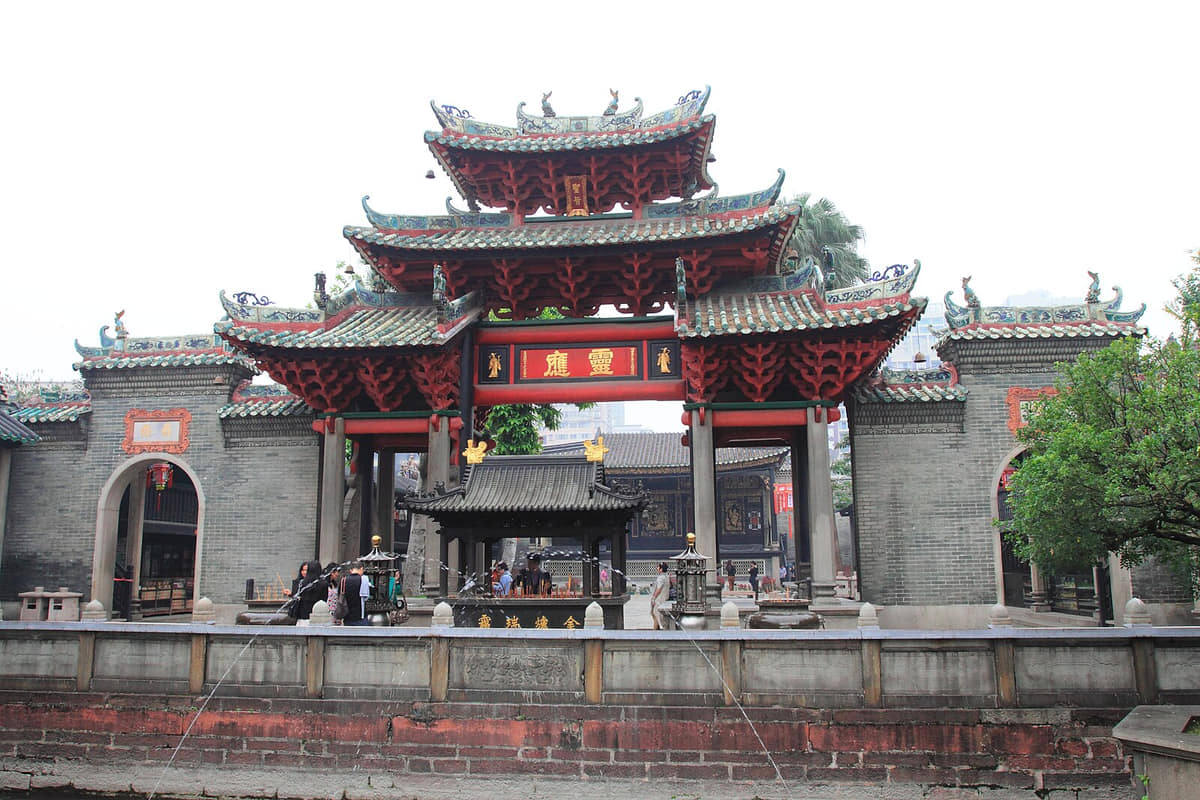
Kilns, guilds, metalwork, food processing, family firms, township factories, logistics, and design upgrading form a continuous but changing production culture.[1][2][3][4]
The evidence is distributed across museums, landscapes, working neighborhoods, district and county routes, and local collections. Reading them together avoids reducing Foshan to one postcard image.[1][2][3][4]
Foshan is best understood as connected systems rather than a single attraction.[1][2][3][4]
This account separates documented facts from interpretation, avoids political positioning, and leaves room for different residents' experiences.[1][2][3][4]
What does this reveal about Foshan?
Foshan is a five-district manufacturing city whose identity grows from ancestral halls, Shiwan kilns, martial arts, Cantonese opera, Shunde food systems, river towns, workshops, and modern factories.[1][2][3][4]