
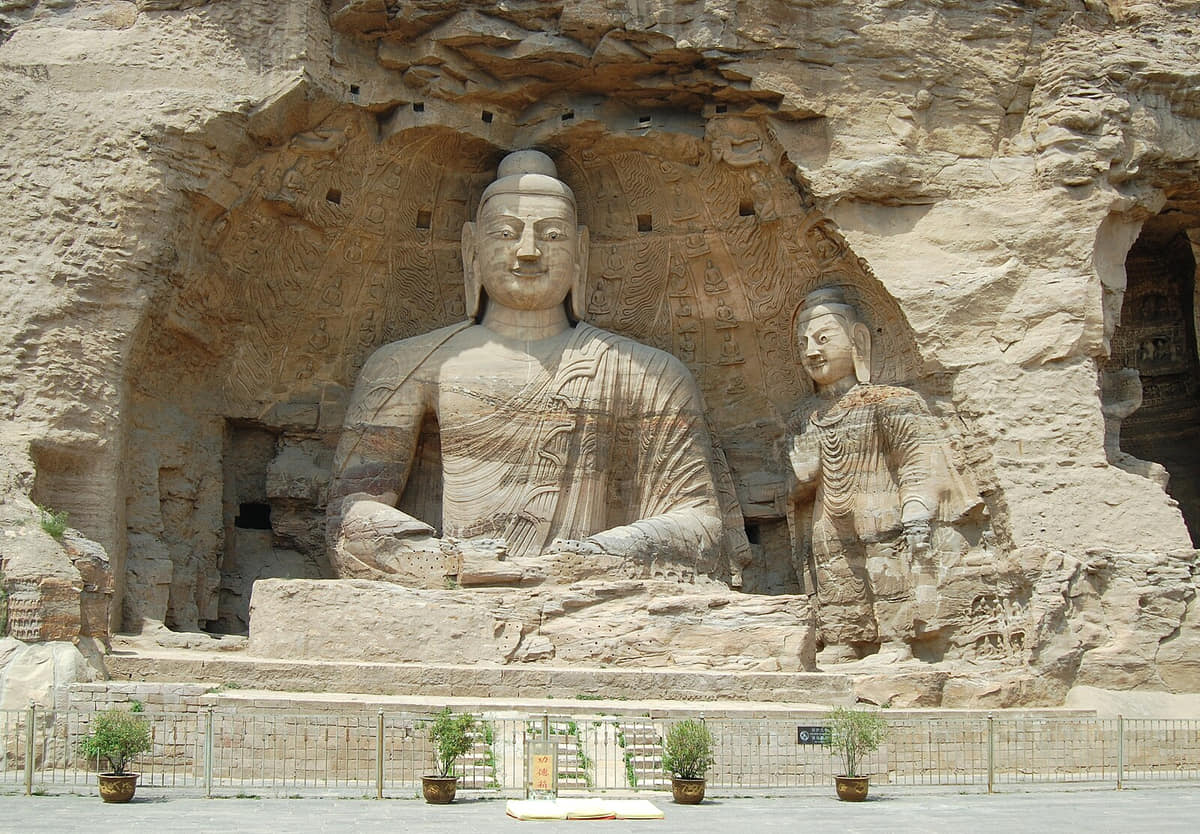
Stone, plateau corridors, political centers, labor, coal, rail, conservation, and reconstruction each reorganized the city without erasing earlier layers.[1][2][3][4]
The evidence is distributed across museums, landscapes, working neighborhoods, district and county routes, and local collections. Reading them together avoids reducing Datong to one postcard image.[1][2][3][4]
Datong is best understood as connected systems rather than a single attraction.[1][2][3][4]
This account separates documented facts from interpretation, avoids political positioning, and leaves room for different residents' experiences.[1][2][3][4]
What does this reveal about Datong?
Datong is a northern plateau city where frontier routes, Yungang's cave temples, Liao–Jin architecture, county fortifications, coal and energy industries, reconstructed urban fabric, and mountain villages form a complex present.[1][2][3][4]