
Modern Zhengzhou grew quickly around railway connections. Stations, workshops, wholesale markets, worker neighborhoods, logistics, and later high-speed rail made movement central to the city's identity.[1][2][3][4]
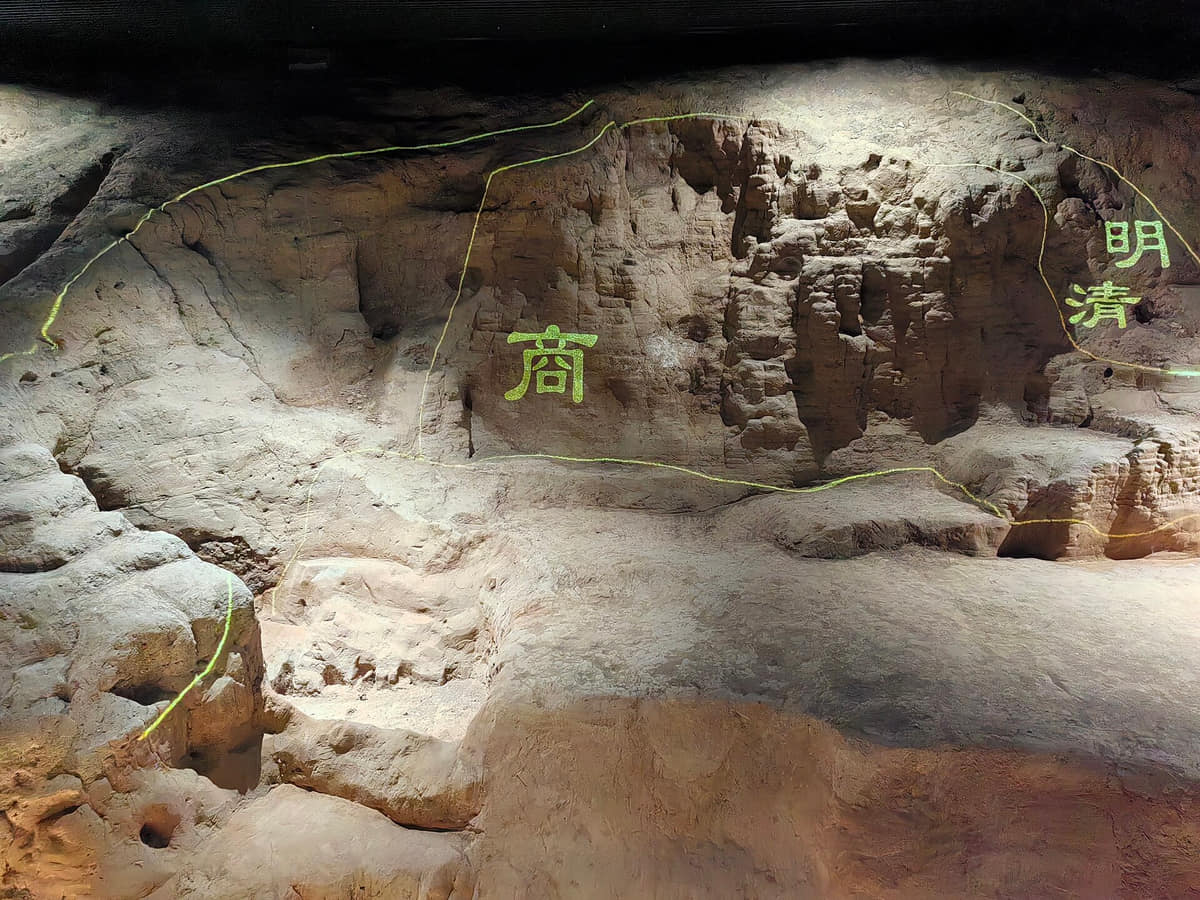
Yet rammed-earth walls and archaeological remains preserve a much earlier city. They show organized construction, craft production, settlement, and exchange long before the modern transport hub existed.[1][2][3][4]
Zhengzhou is not an ancient city replaced by a modern one; it is a modern junction built across a landscape of much older urban systems.[1][2][3][4]
Reading both layers together avoids two simplifications: that Zhengzhou has no old history, or that archaeology exists apart from daily city life. Infrastructure and heritage repeatedly reshape the same ground.[1][2][3][4]
What does this reveal about Zhengzhou?
Its strongest story is the coexistence of radically different urban times—from rammed earth and river plains to railways, logistics, and metro growth.[1][2][3][4]