
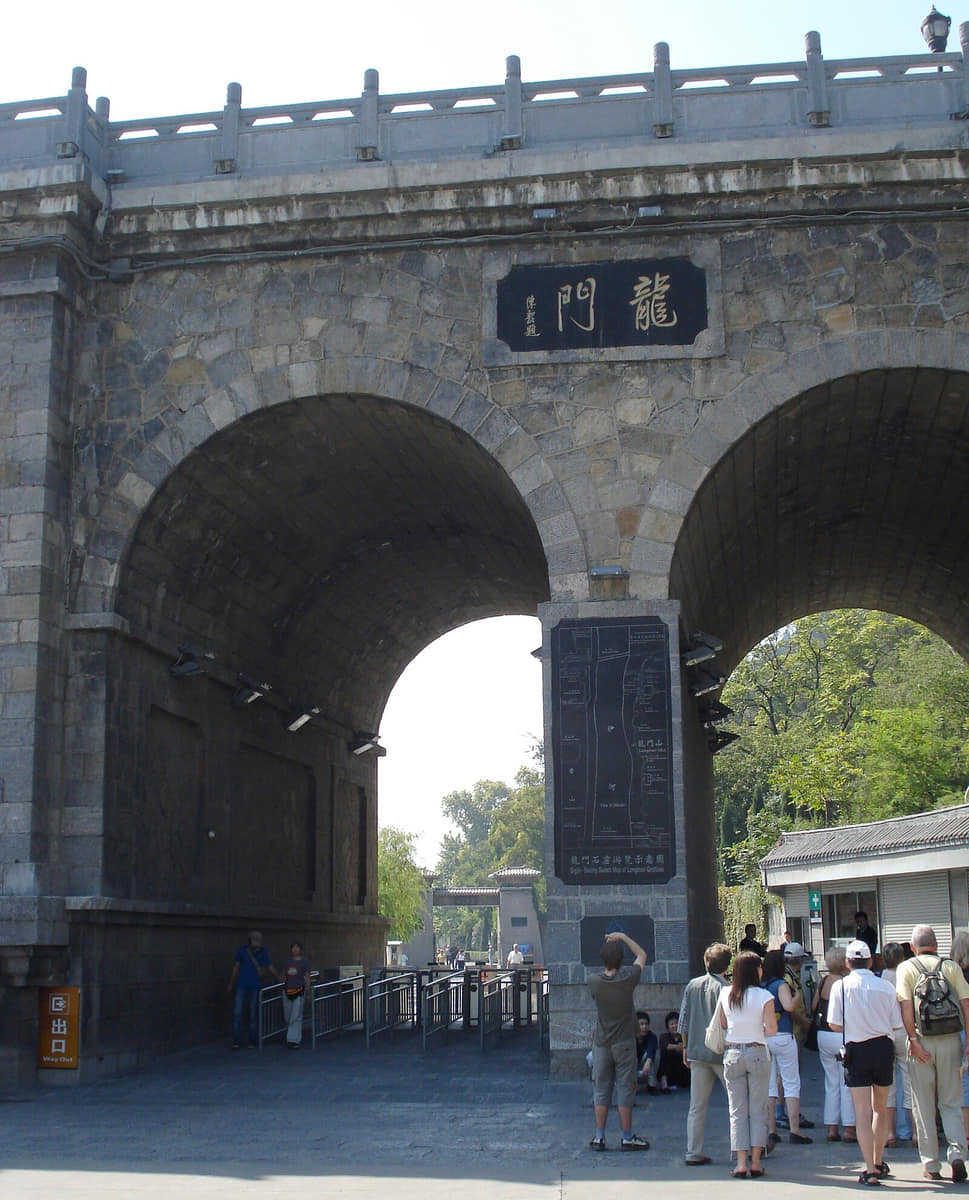
Changing river courses, dynastic planning, archaeology, reuse, destruction, ritual, and modern construction left overlapping centers instead of one preserved capital.[1][2][3][4]
The evidence is distributed across museums, landscapes, working neighborhoods, district and county routes, and local collections. Reading them together avoids reducing Luoyang to one postcard image.[1][2][3][4]
Luoyang is best understood as connected systems rather than a single attraction.[1][2][3][4]
This account separates documented facts from interpretation, avoids political positioning, and leaves room for different residents' experiences.[1][2][3][4]
What does this reveal about Luoyang?
Luoyang is best understood as a river-basin municipality where multiple capital-city layers, Longmen carving, Erlitou archaeology, temples, peony culture, modern industry, and mountain counties coexist rather than form a single ancient-city narrative.[1][2][3][4]