
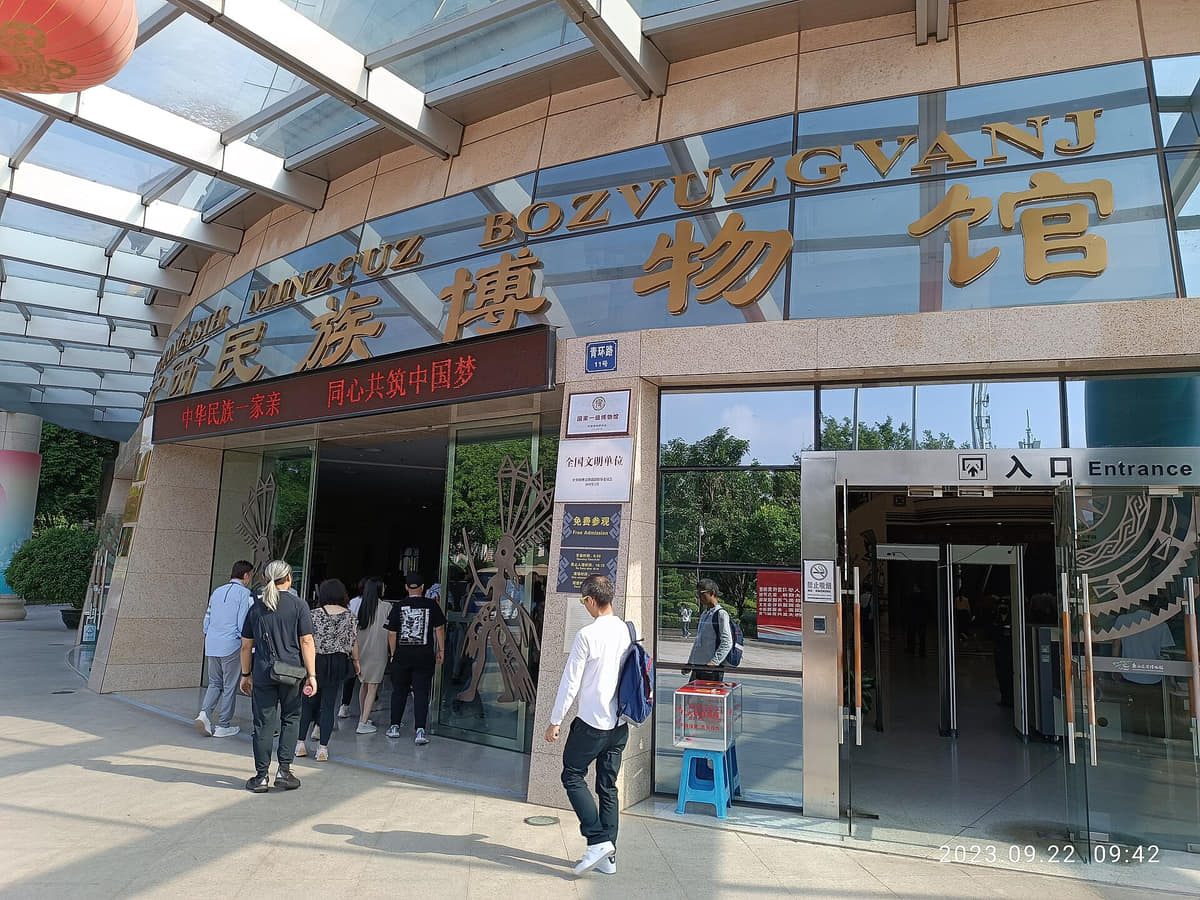
As Guangxi's capital, Nanning gathers institutions that interpret Zhuang and many other regional cultures. Museums can provide useful context through research, objects, recordings, architecture, craft, and documented community histories.[1][2][3][4]
The risk is to present culture as a fixed costume, dance, or village scene. Real communities use several languages, move between rural and urban settings, work in many occupations, adapt festivals, and disagree about identity and representation.[1][2][3][4]
Cultural diversity becomes meaningful when a guide describes people as changing communities, not timeless categories.[1][2][3][4]
A responsible city guide therefore identifies specific place, community, date, and source. It distinguishes historical practice from contemporary performance and lets living people remain varied rather than symbolic.[1][2][3][4]
What does this reveal about Nanning?
The capital's role is not to flatten Guangxi into one image, but to provide institutions, languages, and routes through a highly varied region.[1][2][3][4]