
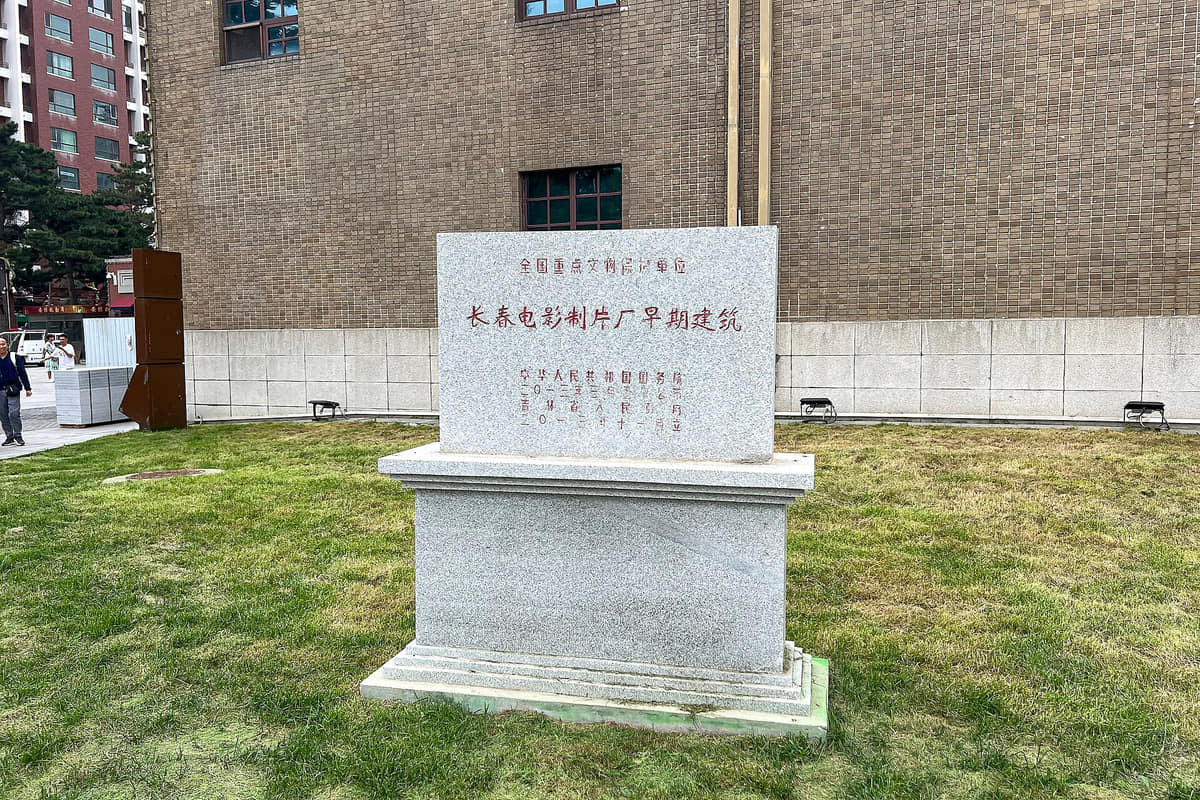
After 1949, Changchun Film Studio became a major center of film production, while First Automobile Works built a vast manufacturing system. Each gathered workers, engineers, artists, institutions, and specialized knowledge.[1][2][3][4]
Their influence extended beyond products. Studios and factories shaped neighborhoods, training, transport, family life, public imagery, and the way the city described itself.[1][2][3][4]
In Changchun, production history is city history because studios and factories organized whole communities around making things.[1][2][3][4]
Both industries have changed through technology and economic restructuring. Museums and surviving workplaces now help explain not only celebrated outputs but also labor, organization, and urban form.[1][2][3][4]
What does this reveal about Changchun?
Modern identity can be built by institutions of production. Film and automobiles connected creativity and engineering with housing, education, migration, and public memory.[1][2][3][4]