
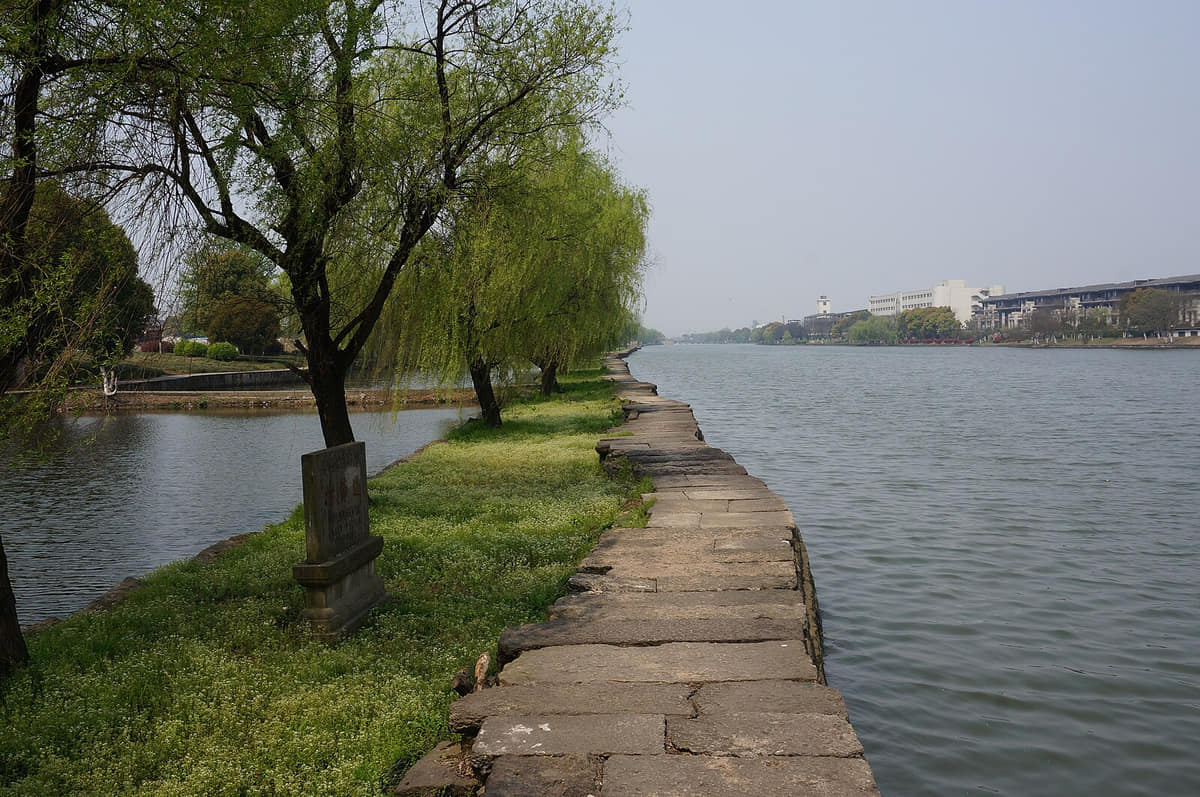
Water moved grain, wine, cloth, people, and stories; canal-side workshops, markets, schools, and modern factories turned mobility into a durable cultural and economic system.[1][2][3][4]
The evidence is distributed across museums, landscapes, working neighborhoods, district and county routes, and local collections. Reading them together avoids reducing Shaoxing to one postcard image.[1][2][3][4]
Shaoxing is best understood as connected systems rather than a single attraction.[1][2][3][4]
This account separates documented facts from interpretation, avoids political positioning, and leaves room for different residents' experiences.[1][2][3][4]
What does this reveal about Shaoxing?
Shaoxing is a canal-and-basin municipality where literary memory, rice-wine production, old bridges, stone towpaths, Kuaiji hills, Keqiao textiles, Zhuji commerce, and county-level towns create a layered identity.[1][2][3][4]