
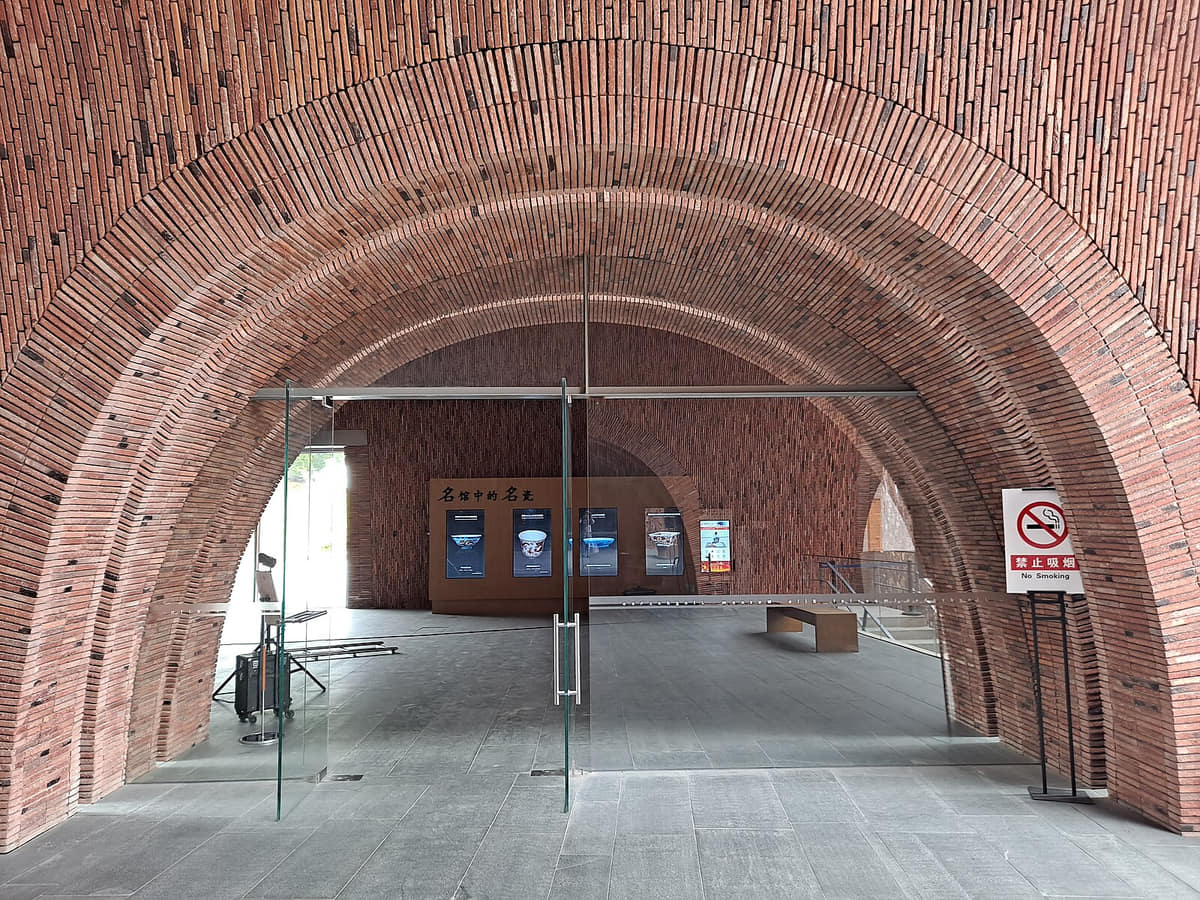
Materials, water, fuel, specialized labor, imperial demand, merchant routes, factory organization, design education, and global collectors repeatedly remade production in the same place.[1][2][3][4]
The evidence is distributed across museums, landscapes, working neighborhoods, district and county routes, and local collections. Reading them together avoids reducing Jingdezhen to one postcard image.[1][2][3][4]
Jingdezhen is best understood as connected systems rather than a single attraction.[1][2][3][4]
This account separates documented facts from interpretation, avoids political positioning, and leaves room for different residents' experiences.[1][2][3][4]
What does this reveal about Jingdezhen?
Jingdezhen is a ceramic-production system rather than a single museum: imperial kiln sites, contemporary studios, Taoxichuan, Fuliang and Yaoli, kaolin landscapes, river transport, factory memory, design schools, and global trade all matter.[1][2][3][4]