
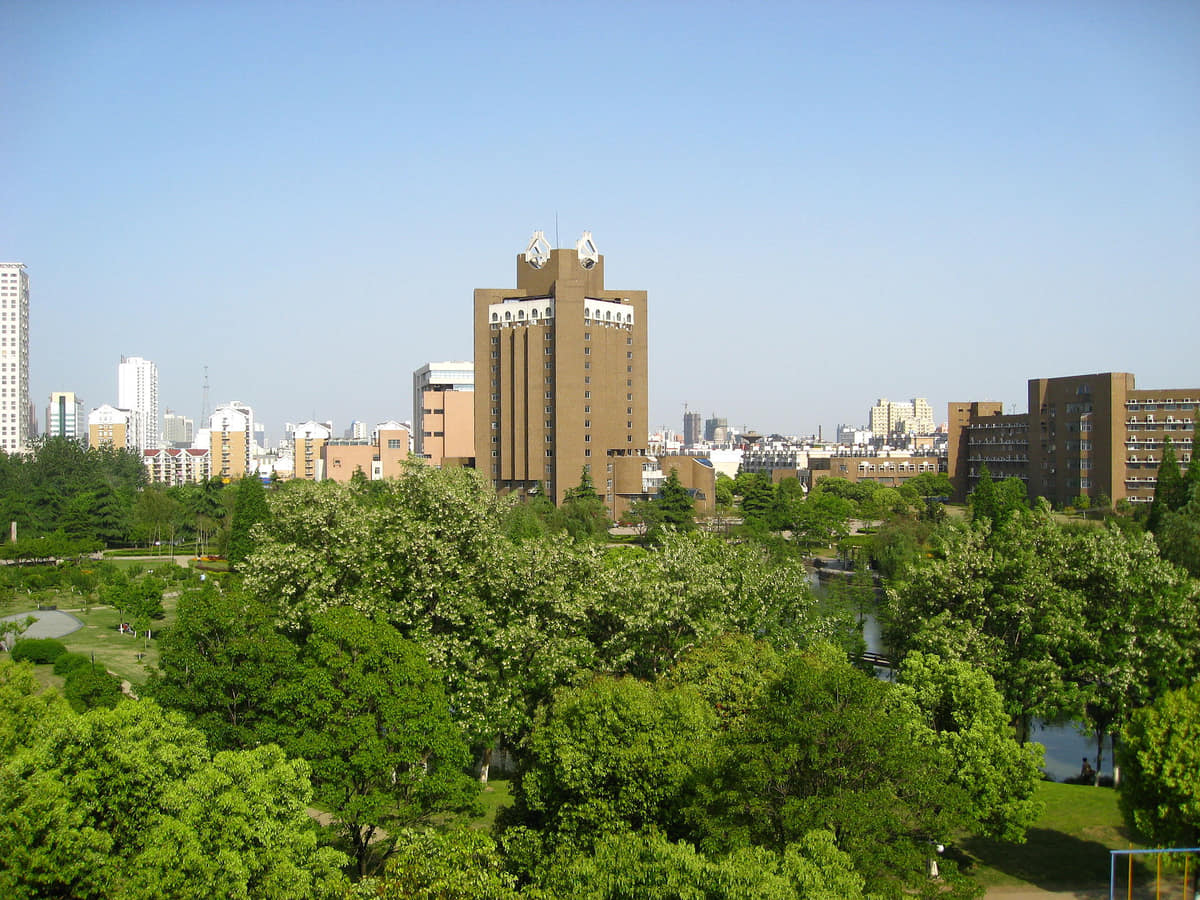
Hefei's modern research profile is anchored by institutions such as the University of Science and Technology of China and a wider network of laboratories and institutes. Their work attracts students, scientists, engineers, and specialized services.[1][2][3][4]
Research does not remain inside a campus. It connects with advanced manufacturing, infrastructure, investment, schools, exhibitions, job markets, and new districts, changing where people live and how the metropolitan area expands.[1][2][3][4]
Hefei becomes a science city when knowledge institutions alter the wider systems of work, education, production, mobility, and public imagination.[1][2][3][4]
Yet Hefei is not only a science district. Old neighborhoods, county towns, farming areas, Sanhe, and Chaohu Lake remind us that technological growth sits inside a much larger Jianghuai landscape.[1][2][3][4]
What does this reveal about Hefei?
Innovation is an urban relationship rather than a slogan: laboratories depend on people, institutions, manufacturing, infrastructure, and a diverse municipality.[1][2][3][4]