
The Mukden Palace and imperial tombs preserve a seventeenth-century political and ceremonial landscape. Their courts, axes, buildings, and collections explain Shenyang's role before and after the Qing capital moved to Beijing.[1][2][3][4]
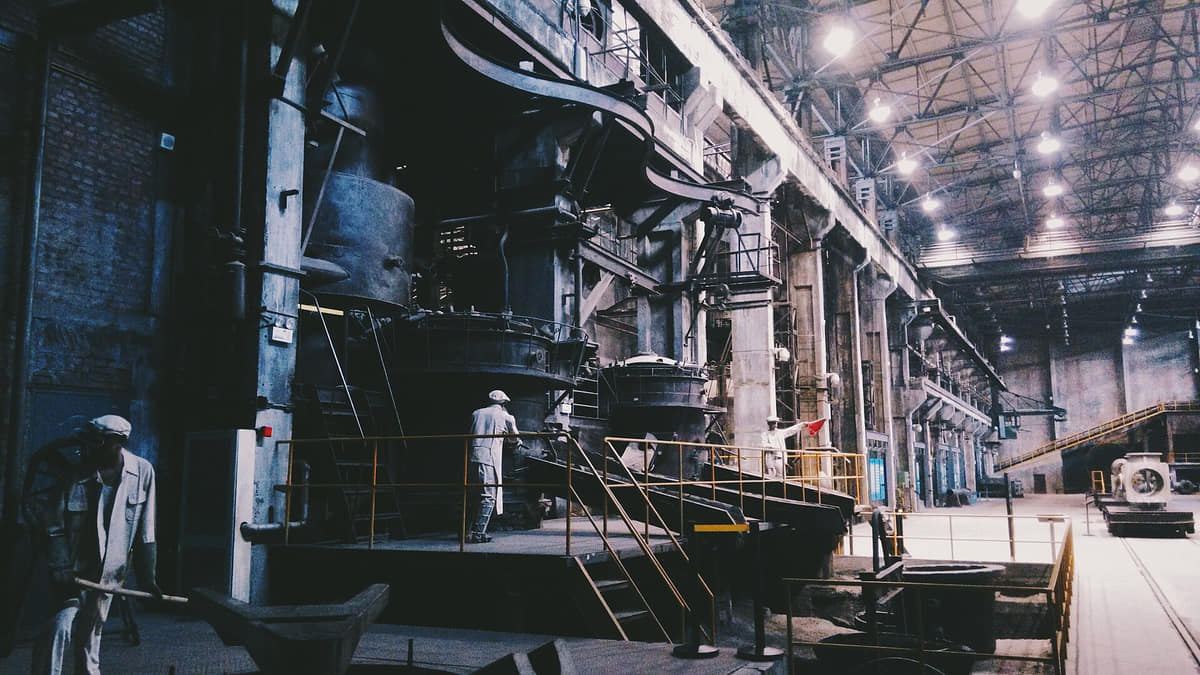
Tiexi's factories and worker neighborhoods tell another story. Railways, machinery, state industry, technical skill, housing, and later restructuring shaped a large part of twentieth-century urban life.[1][2][3][4]
Palace and factory are not competing images; they are two powerful ways institutions have organized Shenyang's space and daily life.[1][2][3][4]
Reading both systems together avoids choosing a single symbol. Shenyang's identity comes from repeated reorganization: capital, transport hub, occupied city, industrial center, and contemporary regional metropolis.[1][2][3][4]
What does this reveal about Shenyang?
The city changes through institutions that gather people, skills, resources, and memory. Architecture makes those different systems visible.[1][2][3][4]