
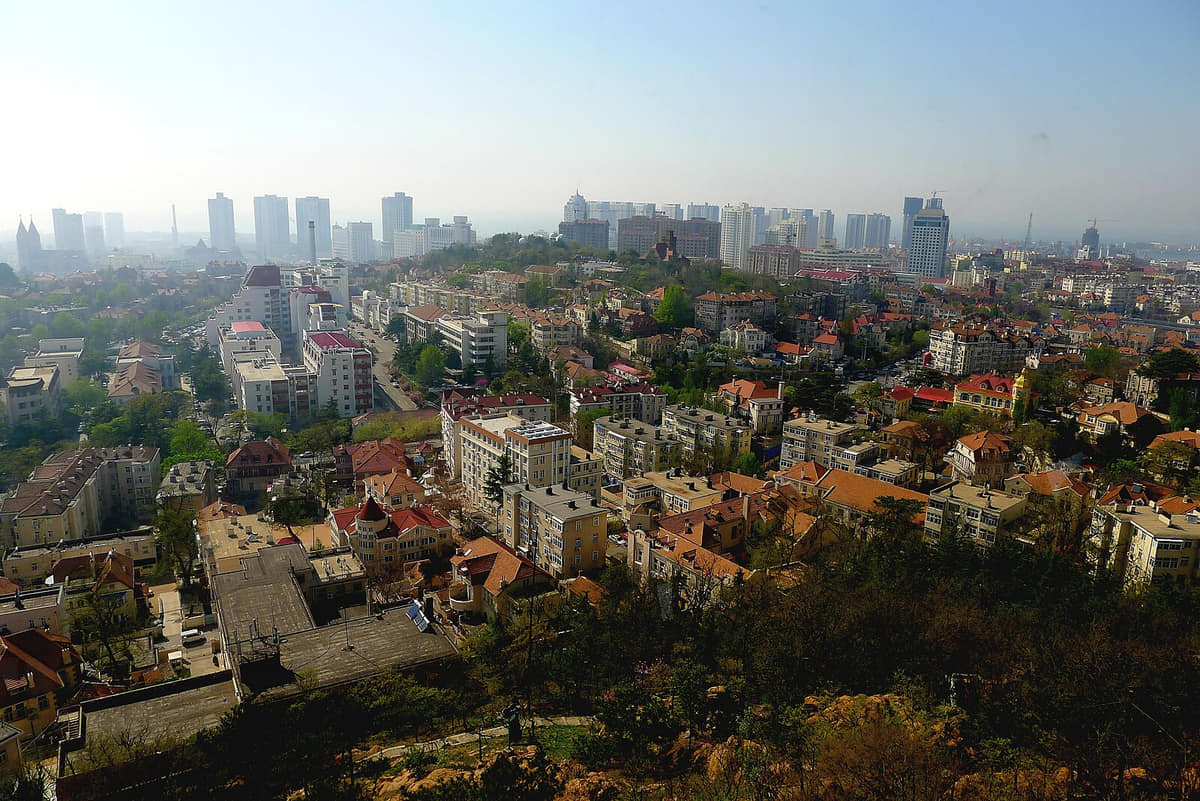
The bay organized port construction, rail, factories, housing, beaches, marine research, and fishing work; its different shores still produce different urban experiences.[1][2][3][4]
The evidence is distributed across museums, landscapes, working neighborhoods, district and county routes, and local collections. Reading them together avoids reducing Qingdao to one postcard image.[1][2][3][4]
Qingdao is best understood as connected systems rather than a single attraction.[1][2][3][4]
This account separates documented facts from interpretation, avoids political positioning, and leaves room for different residents' experiences.[1][2][3][4]
What does this reveal about Qingdao?
Qingdao's identity comes from the meeting of Jiaozhou Bay, Laoshan granite, port and industrial corridors, layered architecture, brewing, marine science, beaches, and inland agricultural counties.[1][2][3][4]