
During the Song and Yuan periods, Quanzhou connected inland production with maritime routes across East and Southeast Asia and beyond. Traders, sailors, officials, craftspeople, and religious communities moved through the port system.[1][2][3][4]
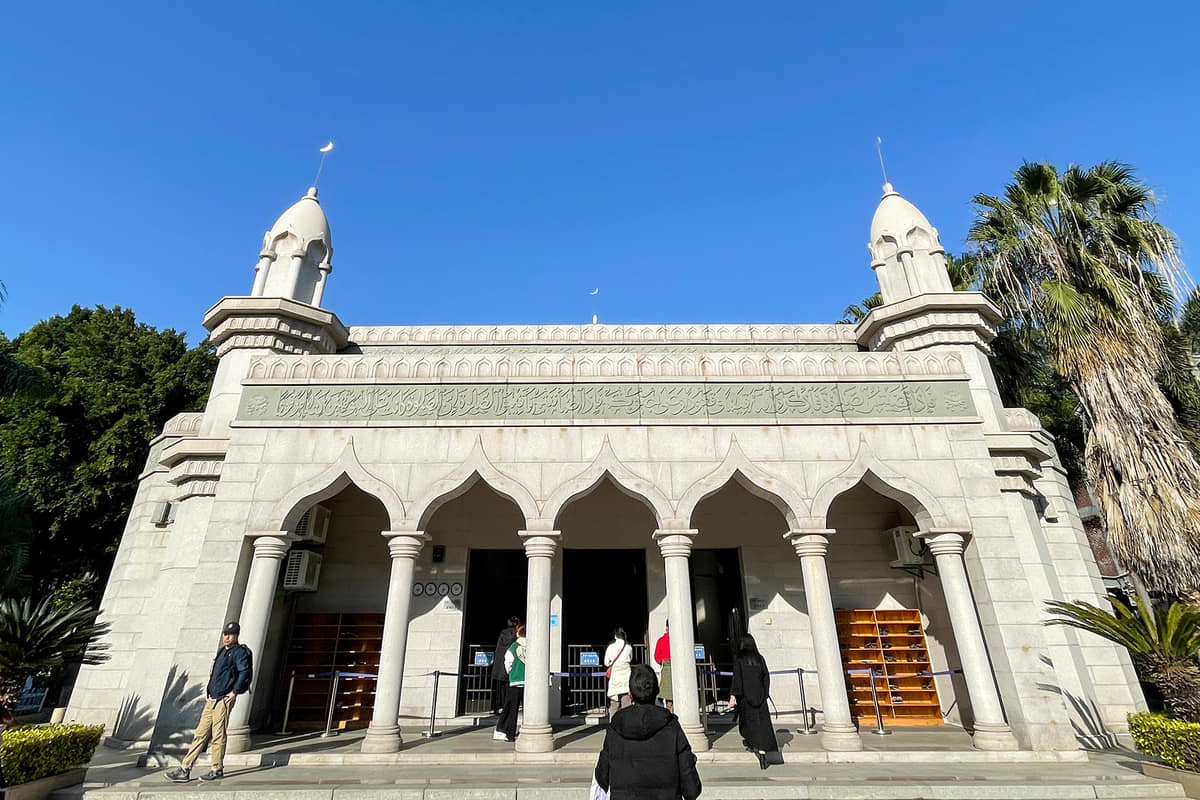
Religious diversity was not an abstract idea. Temples, a mosque, statues, inscriptions, and ritual practices were connected to communities that settled, traded, adapted, and participated in local life.[1][2][3][4]
Quanzhou’s religious landscape shows how global connections become local through buildings, language, ritual, memory, and everyday care.[1][2][3][4]
Many traditions continued to change after the port’s peak. Reading them today requires attention to both historic exchange and the contemporary communities that maintain, visit, and reinterpret these places.[1][2][3][4]
What does this reveal about Quanzhou?
Maritime exchange is not only a history of ships and goods. It also changes belief, architecture, family networks, craft, language, and the ways communities understand belonging.[1][2][3][4]