
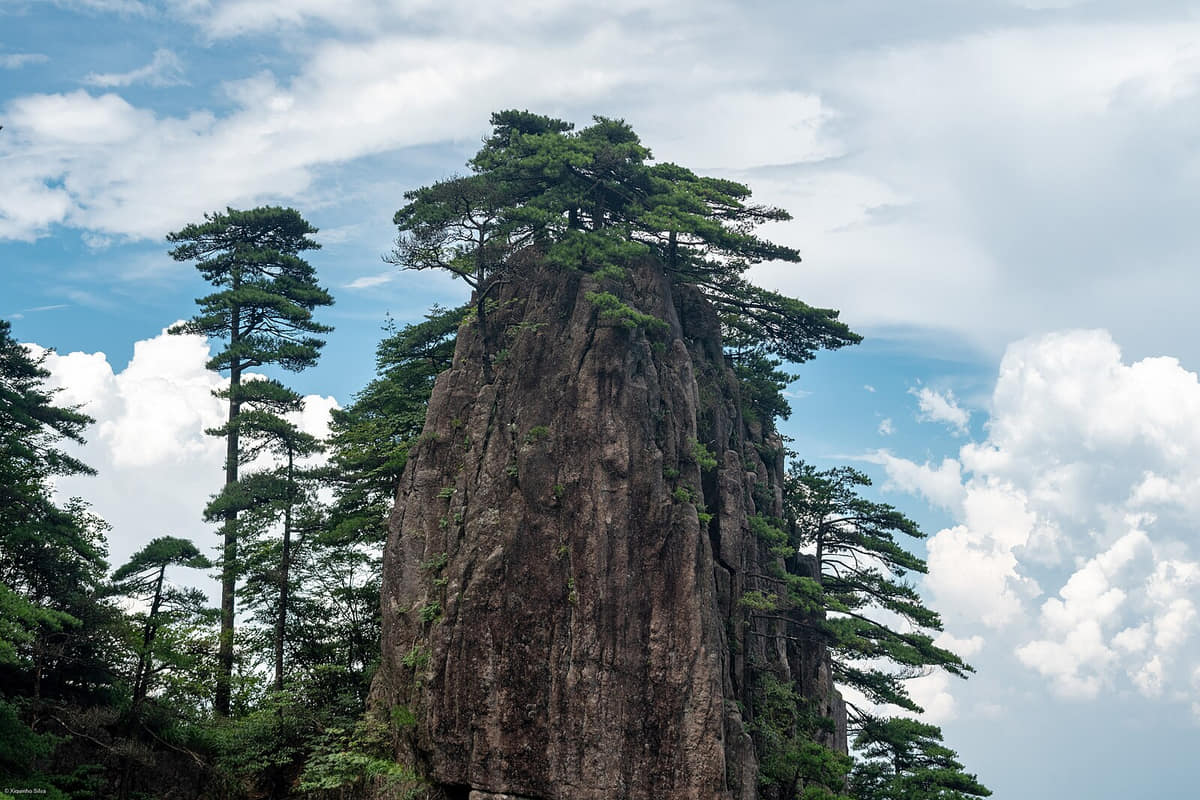
Mountain water, timber, farmland limits, migration, merchant capital, lineage institutions, craft, and tourism link the peaks with settlements far beyond the scenic area.[1][2][3][4]
The evidence is distributed across museums, landscapes, working neighborhoods, district and county routes, and local collections. Reading them together avoids reducing Huangshan to one postcard image.[1][2][3][4]
Huangshan is best understood as connected systems rather than a single attraction.[1][2][3][4]
This account separates documented facts from interpretation, avoids political positioning, and leaves room for different residents' experiences.[1][2][3][4]
What does this reveal about Huangshan?
Huangshan municipality combines a world-famous granite mountain with Huizhou villages, merchant and lineage memory, Tunxi's urban services, Qimen tea, Shexian craft, river valleys, forests, and low-density counties.[1][2][3][4]