
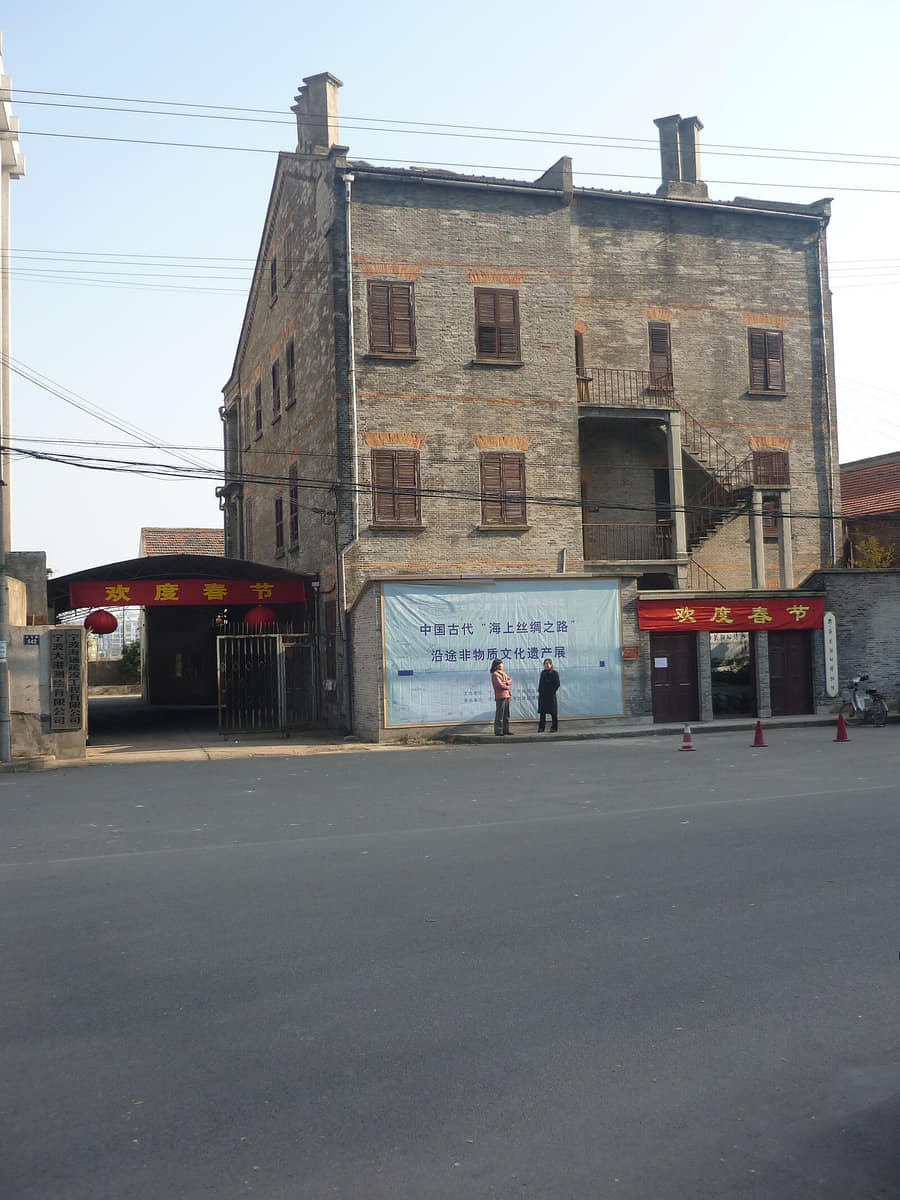
Books, merchants, waterways, coastal exchange, archaeological landscapes, and modern logistics reveal a long history of organizing knowledge and movement.[1][2][3][4]
The evidence is distributed across museums, landscapes, working neighborhoods, district and county routes, and local collections. Reading them together avoids reducing Ningbo to one postcard image.[1][2][3][4]
Ningbo is best understood as connected systems rather than a single attraction.[1][2][3][4]
This account separates documented facts from interpretation, avoids political positioning, and leaves room for different residents' experiences.[1][2][3][4]
What does this reveal about Ningbo?
Ningbo connects one of China's major ports with an estuary city, Tianyi Pavilion's book culture, Hemudu archaeology, merchant networks, coastal counties, mountain catchments, and manufacturing towns.[1][2][3][4]