
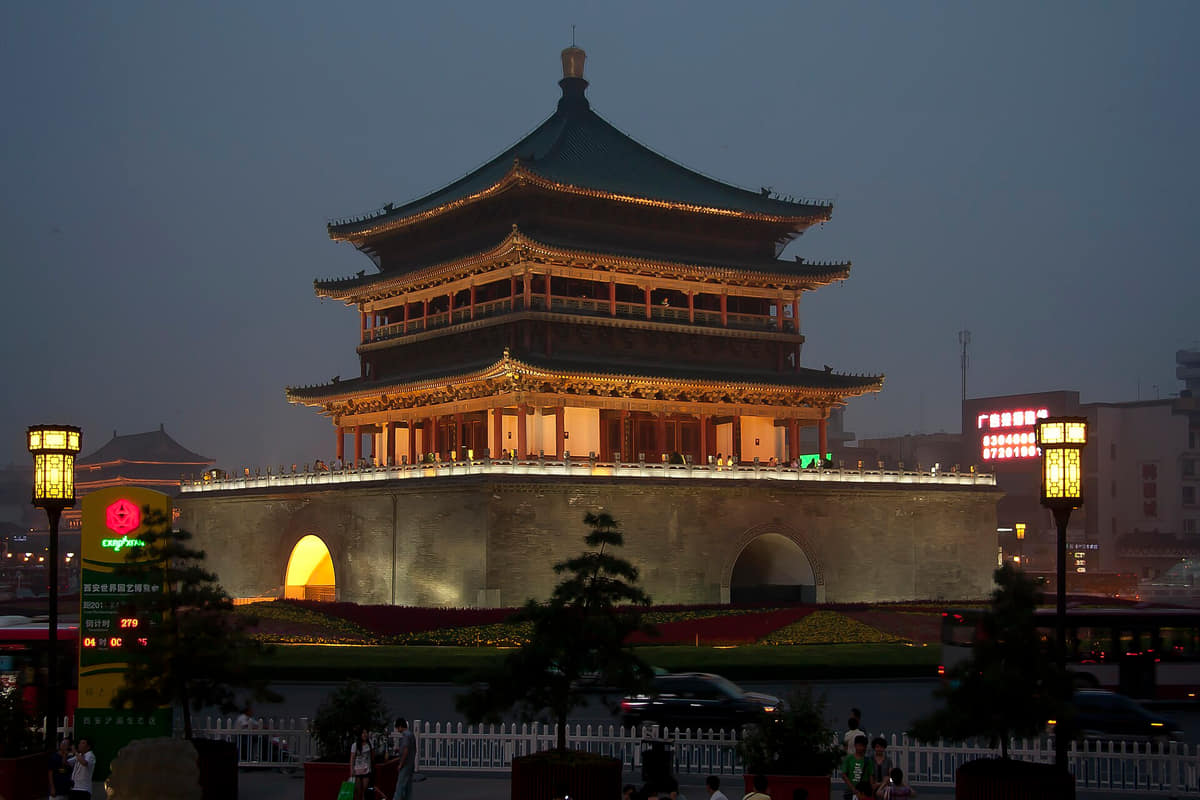
The name Chang’an carries the memory of imperial capitals and far-reaching exchange. Archaeological sites, museums, walls, tombs, and religious buildings give that past a strong physical presence around Xi’an.[1][2][3][4][5]
Daily life does not take place outside history. Commuters pass monuments, residents shop beside old streets, universities interpret heritage, and food districts turn regional movement into taste and social life.[1][2][3][4][5]
Xi’an is not a historic stage with modern life added later; the negotiation between past and present is itself part of the city’s identity.[1][2][3][4][5]
Seeing Xi’an only as an ancient capital freezes the city. Seeing how people live with, use, debate, and reinterpret the past reveals a more complete place.[1][2][3][4][5]
What does this reveal about Xi’an?
Historical significance becomes meaningful through contemporary institutions and routines. Museums, transport, conservation, tourism, neighborhoods, and food all participate in how Chang’an is remembered.[1][2][3][4][5]