
Best Time to Visit Sanya: Weather and Seasons
Compare Sanya by season, including weather trade-offs, walking conditions, indoor alternatives, and the city experiences that change through the year.
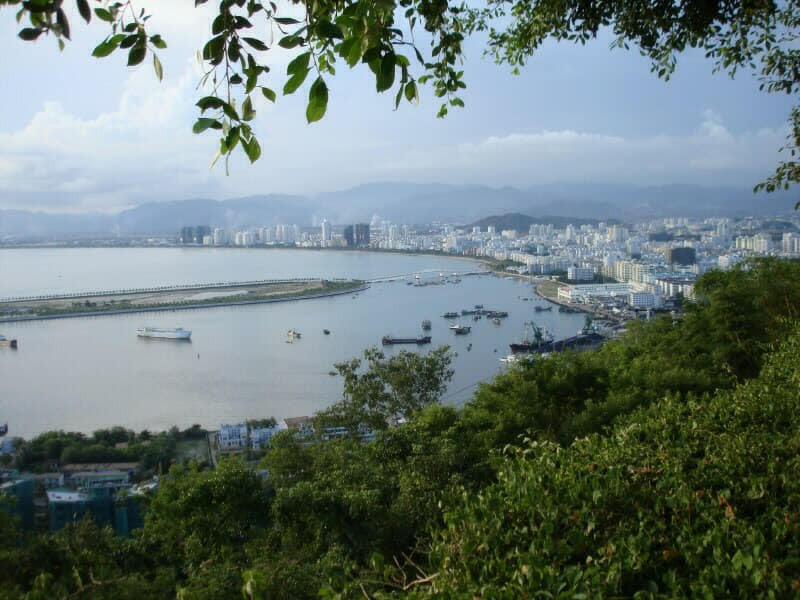
The short answer
The drier months from late autumn through spring are usually most comfortable and busiest. Summer is hotter, wetter, and more humid, with typhoon and heavy-rain risk; sea conditions can change faster than an itinerary.
Season by season
Spring
Spring in Sanya can change quickly; rain, wind, pollen, fog, or elevation should be checked before long outdoor routes.[1][2][3][4]
Summer
Hot weather year-round, a pronounced wet season, typhoons, intense sun, sea breezes, and mountain rainfall differences shape water, shade, and outdoor planning.[1][2][3][4]
Autumn
Autumn often provides clearer intervals and cooler evenings, but current forecasts still matter for coast, mountain, river, and county routes.[1][2][3][4]
Winter
Winter conditions vary across the municipality; layered clothing and paired indoor–outdoor routes are the safest general approach.[1][2][3][4]
How climate changes the plan
Tropical maritime monsoon climate
Hot weather year-round, a pronounced wet season, typhoons, intense sun, sea breezes, and mountain rainfall differences shape water, shade, and outdoor planning.[1][2][3][4]
- Choose accommodation and daily routes by bay because Sanya Bay, Dadonghai, Yalong Bay, Haitang Bay, and farther coastlines involve substantial travel time.
- Check official marine warnings, swimming zones, currents, lightning, typhoons, heat, and operator credentials before any water or island activity.
- Engage Li and other community culture through attributed institutions and community-led interpretation, not generic resort performances or costume imagery.
- Keep a shaded or indoor alternative for peak heat and storms, and treat rainforest or mountain routes as distinct ecosystems with their own access rules.
Flexible city routes
Field route
Sanya Bay → city river mouth → fishing-port contextSanya Bay → city river mouth → fishing-port context is a field sequence for comparing Sanya's built form, landscape, work, and district or county context. Check current opening hours, weather, transport, safety, and conservation rules before departure.[1][2][3][4]
Field route
Yazhou academy → old settlement → Nanshan coastYazhou academy → old settlement → Nanshan coast is a field sequence for comparing Sanya's built form, landscape, work, and district or county context. Check current opening hours, weather, transport, safety, and conservation rules before departure.[1][2][3][4]
Field route
Haitang Bay → forest-edge village → marine habitat viewpointHaitang Bay → forest-edge village → marine habitat viewpoint is a field sequence for comparing Sanya's built form, landscape, work, and district or county context. Check current opening hours, weather, transport, safety, and conservation rules before departure.[1][2][3][4]