
Nanjing · Three-day itinerary

3 Days in Nanjing: A Culture-First Itinerary

A realistic three-day Nanjing itinerary connecting geography, history, neighborhoods, food, museums, landscapes, and everyday public life.
Updated 2026-07-30Reviewed city sources
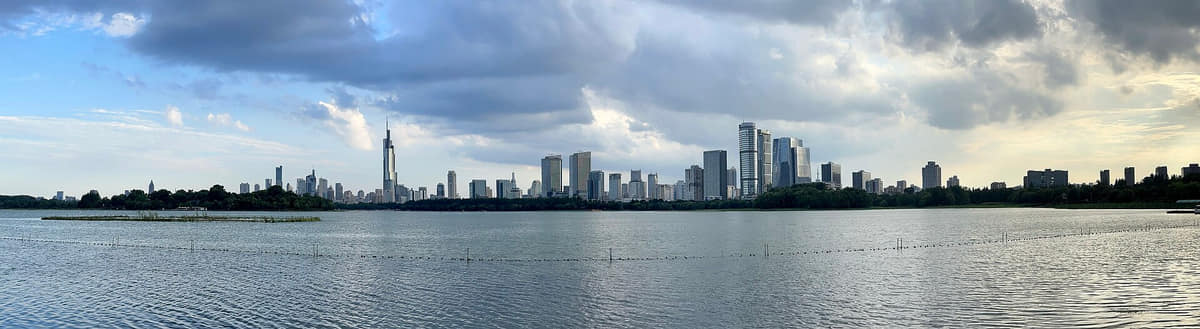
Documentary view of Nanjing
Photo: A Chinese ID · source · CC BY-SA 4.0

The short answer

A three-day Nanjing plan should compare capital-city layers, follow water at several scales, and make room for one landscape beyond the best-known central monuments.

A culture-first three-day route

  1. Day 1

    Capital layers

    City Wall → Nanjing Museum → Ming Xiaoling

    Compare urban defense, provincial collections, and imperial landscape without compressing different periods into one story.[1][2][3][4]

  2. Day 2

    Water and daily life

    Xuanwu Lake → Qinhuai River → Yangtze waterfront

    Follow three water scales to see recreation, old-city commerce, infrastructure, ecology, and metropolitan growth.[1][2][3][4]

  3. Day 3

    Municipality beyond the core

    Metro edge → Lishui or Gaochun landscape

    Leave the historic center to read towns, fields, lakes, manufacturing, and rural heritage inside the same municipality.[1][2][3][4]

Keep the pace realistic

  • Choose specific city-wall sections; surviving, restored, interrupted, and museum-interpreted portions offer different experiences.
  • Purple Mountain sites involve long approaches and stairs, so combine fewer monuments with more landscape time.
  • Use Nanjing Museum or the City Wall Museum to separate archaeological evidence, later memory, and present interpretation.
  • Treat Qinhuai commercial areas, living neighborhoods, the Yangtze waterfront, and Xuanwu Lake as different water-city contexts.

What to eat along the way

Fourteen entries place duck-blood soup, salted and roast duck, soup buns, beef potstickers, wontons, sweet snacks, seasonal aquatic and land produce, Qinhuai snacks, river foods and tea inside recipe variation, district context, allergens, dietary rules, provenance and current food safety.

Duck-blood and vermicelli soup

Soup and vermicelli

Duck blood, sweet-potato vermicelli, broth and optional duck offal or garnish form many local versions. Chronicles document its history, but no single origin story or bowl defines the dish; poultry, organ meat, soy, gluten and food handling require venue checks.[19][18]

Nanjing salted duck

Cured duck

Salt, aromatic seasoning, resting and cooking produce a pale, firm duck associated with the city and seasonal eating. Producers differ in technique and supply; verify origin, date, storage, sodium, certification and food safety from the actual product.[17][18]

Roast duck and pressed duck

Other duck preparations

Roasting, curing, pressing and air-drying create different products that should not be collapsed into 'Nanjing duck.' Names, texture, serving temperature, salt, bones and storage vary, and brand claims need independent evidence.[17][18]

Chicken-broth soup buns

Broth-filled bun

Thin wheat wrappers hold meat filling and hot broth in a recognized snack form. Fillings and folding vary; ask about meat type, soy, sesame, alcohol in seasoning, cross-contact and safe temperature before eating.[20][18]

Beef potstickers

Pan-fried snack

Crisp-bottomed beef dumplings are linked with several Muslim-run food traditions and snack districts. Venue practice varies; halal compliance, beef source, wheat, sesame, cooking fat and shared equipment must be confirmed directly rather than inferred from a name.[20][18]

Skin-thin wontons in broth

Small wontons

Small wontons emphasize a light wrapper, broth and simple filling, often as breakfast or snack. Pork, shrimp, egg, wheat, soy, sesame and garnish vary, so the apparently clear broth is not evidence of dietary suitability.[20]

Why Nanjing belongs in this collection

Nanjing adds capital-city layers, walls, museums, Purple Mountain, universities, the Qinhuai, and the Yangtze waterfront. This guide is a planning layer built from the city’s approved atlas profile rather than a booking or ranking page.

Read the complete Nanjing profile

More Nanjing planning guides

First-time guideBest time to visitFood guide

Sources and review

Last content update
Image verificationImage rights and place accuracy are approved.
Map verificationMap license, version, and administrative code are verified.

Numbered reference sources

  1. Nanjing Statistics Bureau — 2025 statistical bulletin
  2. Nanjing Municipal Government — administrative divisions and population
  3. Nanjing Museum — official website
  4. UNESCO — Imperial Tombs of the Ming and Qing Dynasties
  5. Nanjing Municipal Government — geography, history and city overview
  6. Nanjing 2025 statistical bulletin — permanent-resident population
  7. Nanjing Municipal Government — eleven-district administrative profile
  8. China Weather — Nanjing climate background
  9. Nanjing cultural authority — Ming city wall overview
  10. Nanjing Museum — collections, exhibitions and visitor information
  11. UNESCO World Heritage Centre — Imperial Tombs of the Ming and Qing Dynasties, including Ming Xiaoling
  12. UNESCO Creative Cities Network — Nanjing City of Literature
  13. UNESCO Intangible Cultural Heritage — craftsmanship of Nanjing Yunjin brocade
  14. Official memorial — institutional history and victim-centred documentation
  15. Nanjing cultural authority — 2025 cultural and natural heritage activities
  16. Nanjing cultural authority — 2025 Qinhuai Lantern Festival
  17. Nanjing Municipal Government — crafts, customs and foodways
  18. Nanjing commerce authority — local food culture and dining context
  19. Nanjing local chronicles — duck-blood and vermicelli soup history
  20. Nanjing English portal — local snack reference
  21. Official scenic-area record — Purple Mountain and Sun Yat-sen Mausoleum context
Report a correction