
Harbin · Three-day itinerary

3 Days in Harbin: A Culture-First Itinerary

A realistic three-day Harbin itinerary connecting geography, history, neighborhoods, food, museums, landscapes, and everyday public life.
Updated 2026-07-30Reviewed city sources
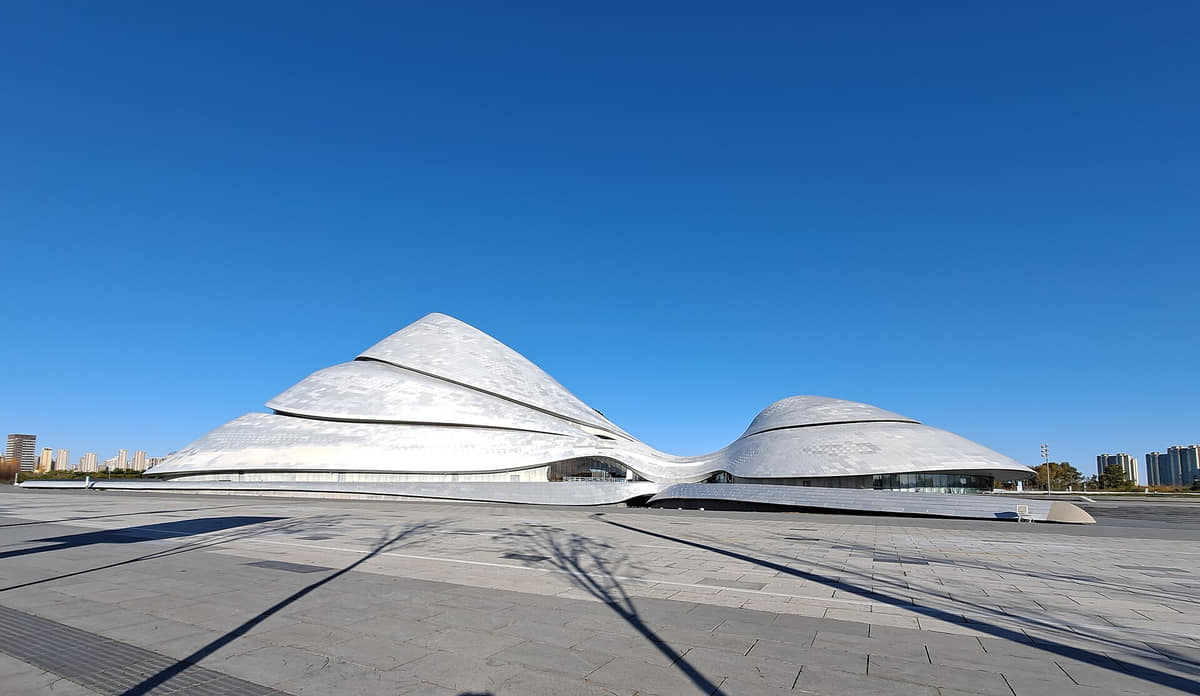
Documentary view of Harbin
Photo: EditQ · source · CC BY-SA 4.0

The short answer

Three days can compare railway and migration history, winter infrastructure and festival spectacle, and the very different river-and-park city visible outside deep winter.

A culture-first three-day route

  1. Day 1

    Railway and migration city

    Harbin Station → Central Street → Saint Sophia → heritage museums

    Read architecture through transport, commerce, religion, migration, and later reuse.[1][2][3][4]

  2. Day 2

    Winter as infrastructure

    Songhua River ice → Ice and Snow World → neighborhood winter routines

    Compare festival spectacle with heating, transport, clothing, maintenance, and ordinary cold-weather life.[1][2][3][4]

  3. Day 3

    The summer city

    Riverfront → Sun Island → music or park evening

    See how water, greenery, boats, long daylight, and public culture replace the familiar winter image.[1][2][3][4]

Keep the pace realistic

  • Check the current edition, dates, operating status, and safety rules for every ice or snow venue.
  • Build regular indoor warming stops into winter days and protect batteries, skin, hands, and feet from extreme cold.
  • Read Central Street architecture through railway, migration, commerce, restoration, and present use rather than style labels alone.
  • In summer, replace ice-festival assumptions with the Songhua waterfront, Sun Island, music, parks, and long evening light.

What to eat along the way

Fourteen entries place red sausage, dalieba, ice cream, guobaorou, fish and pot stews, suan cai, chunbing, grills and everyday staples inside migration, regional circulation, recipe variation, allergens, traceability and current food-safety context.

Harbin red sausage

Smoked sausage

A recognizable city food shaped by smoking, seasoning, meat processing and local adaptation. Recipes and production scales vary; verify meat, casing, additives, allergens, storage, certification and producer rather than relying on the name.[16]

Dalieba

Large bread

Large round or oblong loaves reflect bakery traditions associated with Harbin's migration history. Retail examples differ in flour, fermentation, sweetness, nuts and shelf life, so wheat and nut allergens require product-level checks.[17]

Ice cream in winter and summer

Cold snack

Ice-cream bars on Central Street are a visible commercial ritual, including in cold weather. Brand stories do not replace ingredient, dairy, allergen, hygiene, price or current-operator information.[17][19]

Guobaorou

Sweet-sour frying

Fried pork slices in a sweet-sour glaze are strongly associated with Harbin and wider northeastern dining. Accounts of origin and standard recipe vary; thickness, starch, sauce, garnish and crispness differ by kitchen.[18]

Pastries and western-style dining

Bakery and café history

Cafés, breads and pastries reflect international exchange and local adaptation rather than a frozen copy of one foreign cuisine. Historic branding, current ownership, recipes and price should be verified independently.[17]

Fish stews and Demoli associations

River and county food

Fish stews are linked to river and roadside foodways, with Demoli in Fangzheng County prominent in regional storytelling. Species, aquaculture or wild origin, season, bones, price and sustainability need current evidence.[17]

Why Harbin belongs in this collection

Harbin adds winter engineering, Songhua River seasons, railway migration, music, layered architecture, and northeastern foodways. This guide is a planning layer built from the city’s approved atlas profile rather than a booking or ranking page.

Read the complete Harbin profile

More Harbin planning guides

First-time guideBest time to visitFood guide

Sources and review

Last content update
Image verificationImage rights and place accuracy are approved.
Map verificationMap license, version, and administrative code are verified.

Numbered reference sources

  1. Harbin Municipal Government — city overview
  2. Heilongjiang Statistics Bureau — 2020 census results
  3. UNESCO Creative Cities Network — Harbin
  4. Heilongjiang Statistics Bureau — 2024 statistical bulletin
  5. Harbin Municipal Government — geography, history and administrative overview
  6. Harbin 2024 statistical bulletin — registered household population
  7. Heilongjiang 2020 census — permanent-resident reference
  8. China Weather — Harbin climate background
  9. Heilongjiang Provincial Government — Harbin Ice and Snow World
  10. Heilongjiang Provincial Government — edition-specific ice-and-snow planning
  11. UNESCO Creative Cities Network — Harbin City of Music
  12. Heilongjiang cultural authority — Harbin Music Museum
  13. Heilongjiang cultural authority — Harbin architecture and city-walk routes
  14. Heilongjiang cultural authority — Unit 731 evidence site and historical interpretation
  15. Heilongjiang cultural authority — Museum of Evidence of War Crimes by Japanese Army Unit 731
  16. Heilongjiang cultural authority — Harbin red-sausage making technique
  17. Heilongjiang official feature — seasonal local foodways
  18. Heilongjiang industry authority — guobaorou and regional food history
  19. Heilongjiang Provincial Government — winter tourism and food context
Report a correction