
Best Time to Visit Shenzhen: Weather and Seasons
Compare Shenzhen by season, including weather trade-offs, walking conditions, indoor alternatives, and the city experiences that change through the year.
The short answer
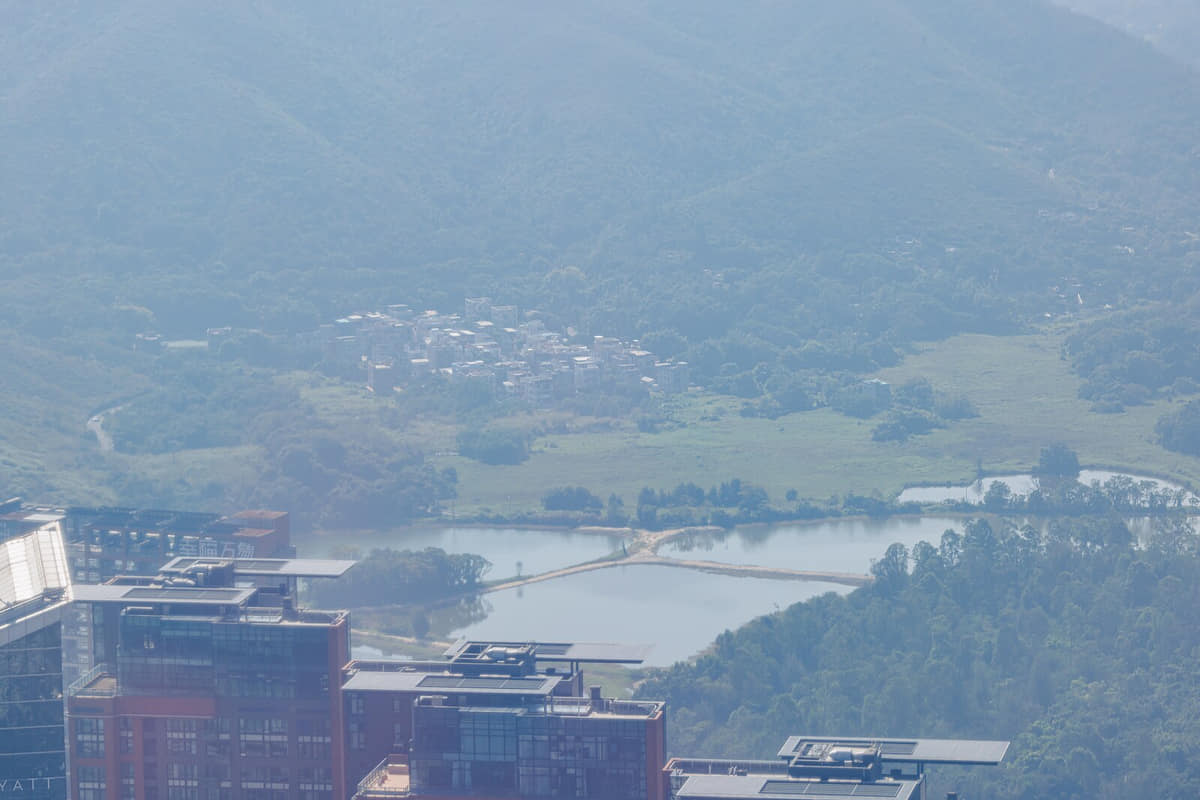
Late autumn through early spring is usually best for long urban and coastal walks. Summer is very hot, humid, and wet, with thunderstorms and typhoon disruption; spring can be persistently damp with rapidly changing visibility.
Season by season
Spring
Spring in Shenzhen can change quickly; rain, wind, pollen, fog, or elevation should be checked before long outdoor routes.[1][2][3][4]
Summer
Long hot humid summers, heavy rain, typhoons, mild winters, and sharp heat differences between dense centers, hills, and the Dapeng coast shape urban life.[1][2][3][4]
Autumn
Autumn often provides clearer intervals and cooler evenings, but current forecasts still matter for coast, mountain, river, and county routes.[1][2][3][4]
Winter
Winter conditions vary across the municipality; layered clothing and paired indoor–outdoor routes are the safest general approach.[1][2][3][4]
How climate changes the plan
Humid subtropical maritime monsoon climate
Long hot humid summers, heavy rain, typhoons, mild winters, and sharp heat differences between dense centers, hills, and the Dapeng coast shape urban life.[1][2][3][4]
- Plan days along one or two metro corridors because Futian, Nanshan, Luohu, Longgang, Bao’an, and Dapeng represent very different distances and urban conditions.
- Read urban villages as lived neighborhoods with housing, work, schools, worship, logistics, and renewal pressures rather than as visual shorthand for informality.
- Huaqiang North changes by building, floor, product cycle, and time of day; treat it as a working supply network and respect photography and business boundaries.
- Coastal parks, wetlands, mountain trails, and Dapeng routes are weather-sensitive; verify heat, lightning, typhoon, tide, transport, and access conditions before departure.
Flexible city routes
Field route
Civic Center → urban planning exhibition → Shenzhen BayCivic Center → urban planning exhibition → Shenzhen Bay is a field sequence for comparing Shenzhen's built form, landscape, work, and district or county context. Check current opening hours, weather, transport, safety, and conservation rules before departure.[1][2][3][4]
Field route
Huaqiang North → factory-neighborhood edge → urban villageHuaqiang North → factory-neighborhood edge → urban village is a field sequence for comparing Shenzhen's built form, landscape, work, and district or county context. Check current opening hours, weather, transport, safety, and conservation rules before departure.[1][2][3][4]
Field route
Nantou → Dapeng Fortress → peninsula coastNantou → Dapeng Fortress → peninsula coast is a field sequence for comparing Shenzhen's built form, landscape, work, and district or county context. Check current opening hours, weather, transport, safety, and conservation rules before departure.[1][2][3][4]