
3 Days in Xiamen: A Culture-First Itinerary
A realistic three-day Xiamen itinerary connecting geography, history, neighborhoods, food, museums, landscapes, and everyday public life.
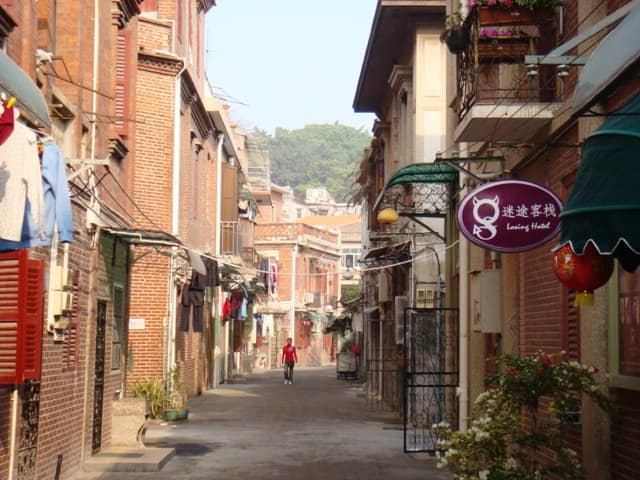
The short answer
Three days can compare the main island’s port and university landscapes, read Gulangyu through architecture and migration, then cross to mainland districts for schools, old centers, wetlands, or fishing communities.
A culture-first three-day route
- Day 1
Field route
Gulangyu ferry → historic streets → waterfront viewpointsGulangyu ferry → historic streets → waterfront viewpoints is a field sequence for comparing Xiamen's built form, landscape, work, and district or county context. Check current opening hours, weather, transport, safety, and conservation rules before departure.[1][2][3][4]
- Day 2
Field route
South Putuo → Xiamen University edge → ShapoweiSouth Putuo → Xiamen University edge → Shapowei is a field sequence for comparing Xiamen's built form, landscape, work, and district or county context. Check current opening hours, weather, transport, safety, and conservation rules before departure.[1][2][3][4]
- Day 3
Field route
Jimei school village → Tong'an old center → Xiang'an coastJimei school village → Tong'an old center → Xiang'an coast is a field sequence for comparing Xiamen's built form, landscape, work, and district or county context. Check current opening hours, weather, transport, safety, and conservation rules before departure.[1][2][3][4]
Keep the pace realistic
- Book the correct Gulangyu ferry route and terminal for the current date; resident and visitor systems, weather, queues, and return options can differ.
- Separate architectural evidence on Gulangyu from romantic treaty-port narratives by using museums, building records, migration history, and present community life.
- Shapowei, South Putuo, the university edge, and the coast are close in concept but can be congested; keep one flexible block for access changes.
- Use Jimei or another mainland district to understand education, industry, housing, wetlands, and recent growth beyond the tourism-heavy island core.
What to eat along the way
Six locally specific food records connect ingredients, work, markets, and social routines.