
Best Time to Visit Beijing: Weather and Seasons
Compare Beijing by season, including weather trade-offs, walking conditions, indoor alternatives, and the city experiences that change through the year.
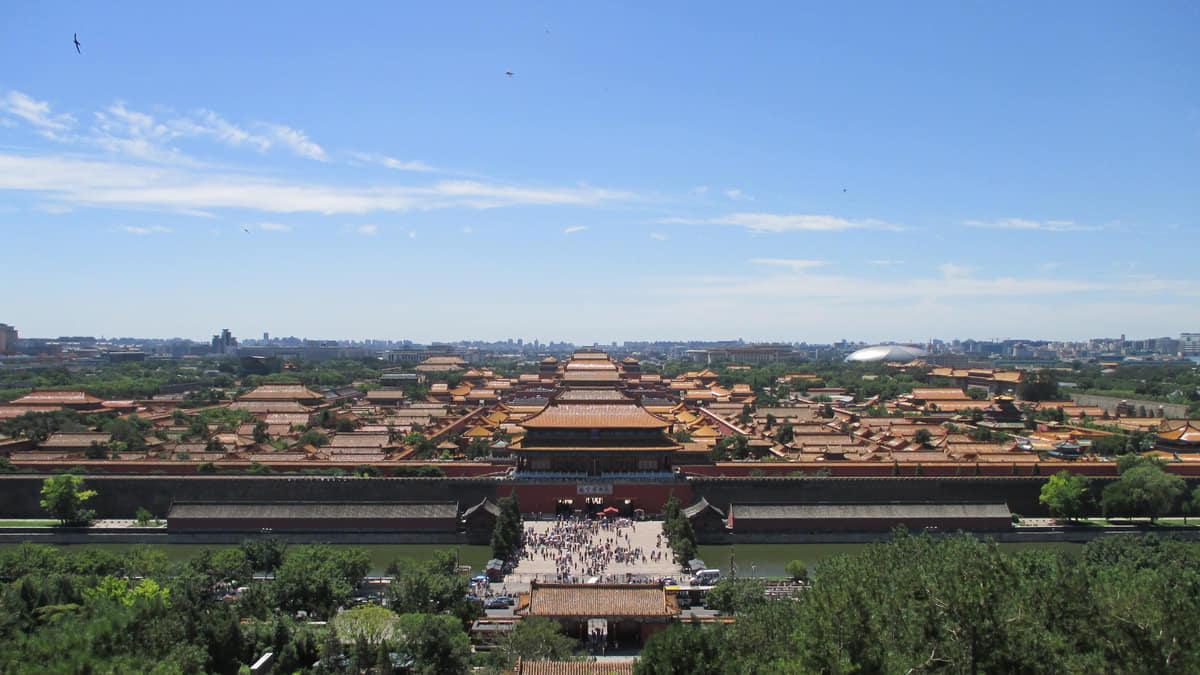
The short answer
Autumn is usually the easiest season for long walks, while spring offers flowering parks with wind and dry spells. Summer requires heat and storm flexibility; winter rewards clear architectural views if you prepare for cold, dry conditions.
Season by season
Spring
Rapid warming, wind, and dry spells make conditions changeable; parks flower while dust and pollen can affect comfort.[1][2][3][4]
Summer
Heat, humidity, and concentrated rainfall shape travel and daily routines; short intense storms are possible.[1][2][3][4]
Autumn
Clearer skies, lower humidity, and cooling temperatures often make this the most comfortable season for long walks.[1][2][3][4]
Winter
Cold, dry weather and indoor heating dominate; daylight and bare tree canopies make historic urban form especially legible.[1][2][3][4]
How climate changes the plan
Warm-temperate, semi-humid continental monsoon climate
Summers are hot and rainy; winters are cold and dry. Spring and autumn are shorter, and most annual precipitation falls from June to August.[1][2][3][4]
- Separate large palace or museum visits from long neighborhood walks; security, reservations, and distances can make a packed list unrealistic.
- Use the historic axis to understand sequence and scale, then leave it for hutongs, parks, markets, and specialist collections.
- A Great Wall outing belongs to the municipality but consumes most of a day; choose the section and transport before building the rest of the schedule.
- Opening rules and ticket systems change. Recheck official venue information close to the visit rather than copying an old itinerary.
Flexible city routes
Read the Central Axis
Yongding Gate → Temple of Heaven area → Tian'anmen → JingshanFollow changes in scale, sequence, and public use along the historic north–south structure.[1][2][3][4]
Neighborhood and institution
Hutong walk → local market → specialist museumCombine lived streets with a collection that explains architecture, craft, or city history.[1][2][3][4]
City and mountain edge
Urban core → Summer Palace or northern district → Great Wall landscapeCompare the plain-based metropolis with the mountain geography of the wider municipality.[1][2][3][4]