
3 Days in Beijing: A Culture-First Itinerary
A realistic three-day Beijing itinerary connecting geography, history, neighborhoods, food, museums, landscapes, and everyday public life.
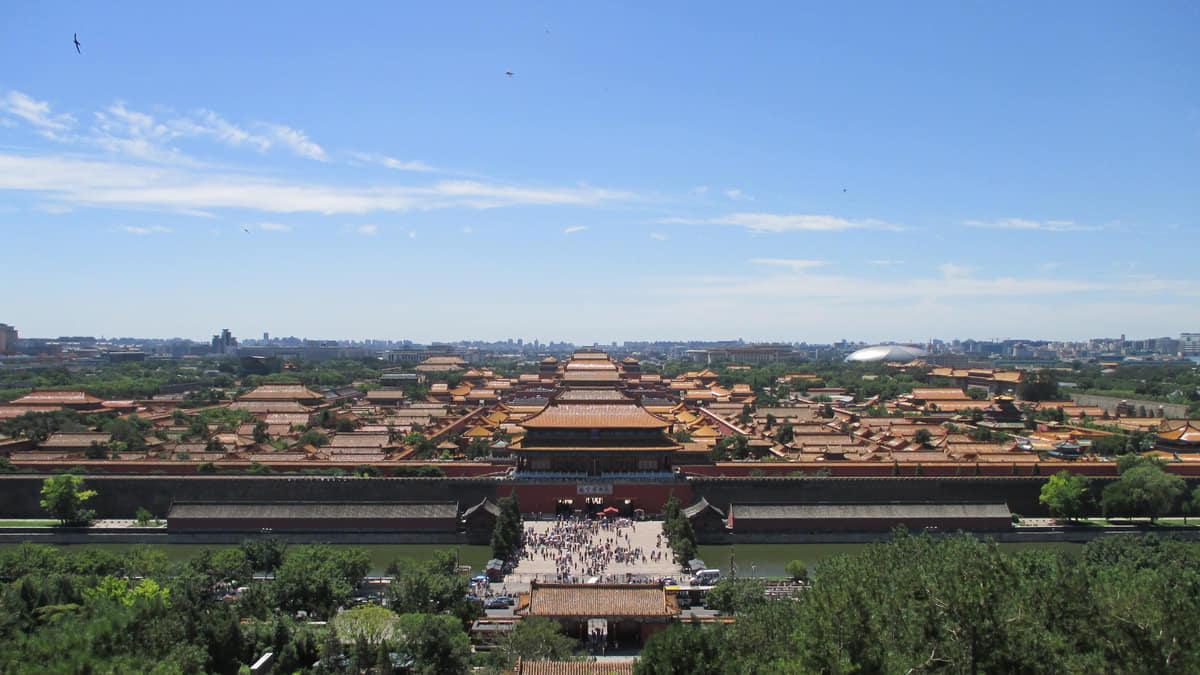
The short answer
Three days can connect the ceremonial city, lived neighborhoods, and the wider mountain landscape without reducing Beijing to a checklist of monuments.
A culture-first three-day route
- Day 1
- Day 2
- Day 3
Keep the pace realistic
- Separate large palace or museum visits from long neighborhood walks; security, reservations, and distances can make a packed list unrealistic.
- Use the historic axis to understand sequence and scale, then leave it for hutongs, parks, markets, and specialist collections.
- A Great Wall outing belongs to the municipality but consumes most of a day; choose the section and transport before building the rest of the schedule.
- Opening rules and ticket systems change. Recheck official venue information close to the visit rather than copying an old itinerary.
What to eat along the way
Fourteen entries place famous dishes, breakfast, wheat staples, halal traditions, migration and the complete food system within technique, labor, sourcing, allergens, safety, evidence and maker variation.
Roast duck
Roasting, carving, wrappers, sauce and vegetable accompaniments form a restaurant sequence. The national ICH record documents one hanging-oven craft tradition; it does not make every roast-duck service identical or certify nutrition, sourcing, welfare, labor and food safety.[15][16]
Zhajiangmian
Wheat noodles, fried bean-based sauce and changing vegetable toppings meet only at serving. Meat, paste, salt, oil, sweetness, cucumber, radish, cabbage, beans and portion vary among homes and shops, so one photograph is a recipe record, not a fixed canon.[16]
Copper-pot mutton hotpot
Thin lamb cooks quickly around a chimney pot and is paired with dipping sauce and staples. Safe practice requires traceable meat, cold chain, clean utensils, separation of raw and cooked food, complete cooking where needed and allergen awareness.[16]
Jianbing
Batter, egg, sauce, crisp or other fillings are assembled rapidly on a griddle for portable eating. Regional and vendor recipes differ, and a process photograph cannot establish the finished ingredients, sanitation, reuse of oil, allergen controls or current stall licensing.[16]
Douzhi and fried accompaniments
Douzhi is associated with mung-bean processing and a distinctive fermented flavor, often discussed with fried or pickled accompaniments. Fermentation history does not replace temperature, hygiene, freshness, ingredient and food-safety controls, and local identity does not imply universal preference.[16]
Luzhu
Luzhu commonly brings organ meats, tofu or bread-like pieces and broth into one bowl, but parts, seasoning and proportions vary. Menus should identify animal ingredients and allergens; heat, sourcing, cleaning, cooking, storage and cross-contamination matter more than nostalgic branding.[16]