
Beijing Food Guide: Roast Duck, Noodles & Hotpot
What should you eat in Beijing? Explore roast duck, zhajiang noodles, copper-pot hotpot and classic breakfasts, with practical tips on ordering and ingredients.
The short answer
Start a Beijing food plan with carved roast duck, zhajiang noodles, shared copper-pot hotpot, portable breakfasts, and older snack traditions. Order across different meal formats, and confirm ingredients instead of relying on translated dish names.
What to eat
Fourteen entries place famous dishes, breakfast, wheat staples, halal traditions, migration and the complete food system within technique, labor, sourcing, allergens, safety, evidence and maker variation.
Roast duck
Roasting, carving, wrappers, sauce and vegetable accompaniments form a restaurant sequence. The national ICH record documents one hanging-oven craft tradition; it does not make every roast-duck service identical or certify nutrition, sourcing, welfare, labor and food safety.[15][16]
Zhajiangmian
Wheat noodles, fried bean-based sauce and changing vegetable toppings meet only at serving. Meat, paste, salt, oil, sweetness, cucumber, radish, cabbage, beans and portion vary among homes and shops, so one photograph is a recipe record, not a fixed canon.[16]
Copper-pot mutton hotpot
Thin lamb cooks quickly around a chimney pot and is paired with dipping sauce and staples. Safe practice requires traceable meat, cold chain, clean utensils, separation of raw and cooked food, complete cooking where needed and allergen awareness.[16]
Jianbing
Batter, egg, sauce, crisp or other fillings are assembled rapidly on a griddle for portable eating. Regional and vendor recipes differ, and a process photograph cannot establish the finished ingredients, sanitation, reuse of oil, allergen controls or current stall licensing.[16]
Douzhi and fried accompaniments
Douzhi is associated with mung-bean processing and a distinctive fermented flavor, often discussed with fried or pickled accompaniments. Fermentation history does not replace temperature, hygiene, freshness, ingredient and food-safety controls, and local identity does not imply universal preference.[16]
Luzhu
Luzhu commonly brings organ meats, tofu or bread-like pieces and broth into one bowl, but parts, seasoning and proportions vary. Menus should identify animal ingredients and allergens; heat, sourcing, cleaning, cooking, storage and cross-contamination matter more than nostalgic branding.[16]
Cha tang
A hot grain paste may be finished with brown-sugar syrup, sesame, raisins, preserved fruit or other toppings. Grain identity, sweetness, nuts or seeds, additives and serving temperature differ; the name and visual appearance alone cannot establish ingredients or nutrition.[16]
Almond tofu and fried cakes
White almond-style jelly may use apricot-kernel flavor, dairy or other bases, while fried cakes differ in dough and filling. Naming is not an allergen declaration; customers should verify nuts, milk, gluten, sesame, filling, frying oil and cross-contact.[16]
Food as a way to read the city
Reading the Central Axis
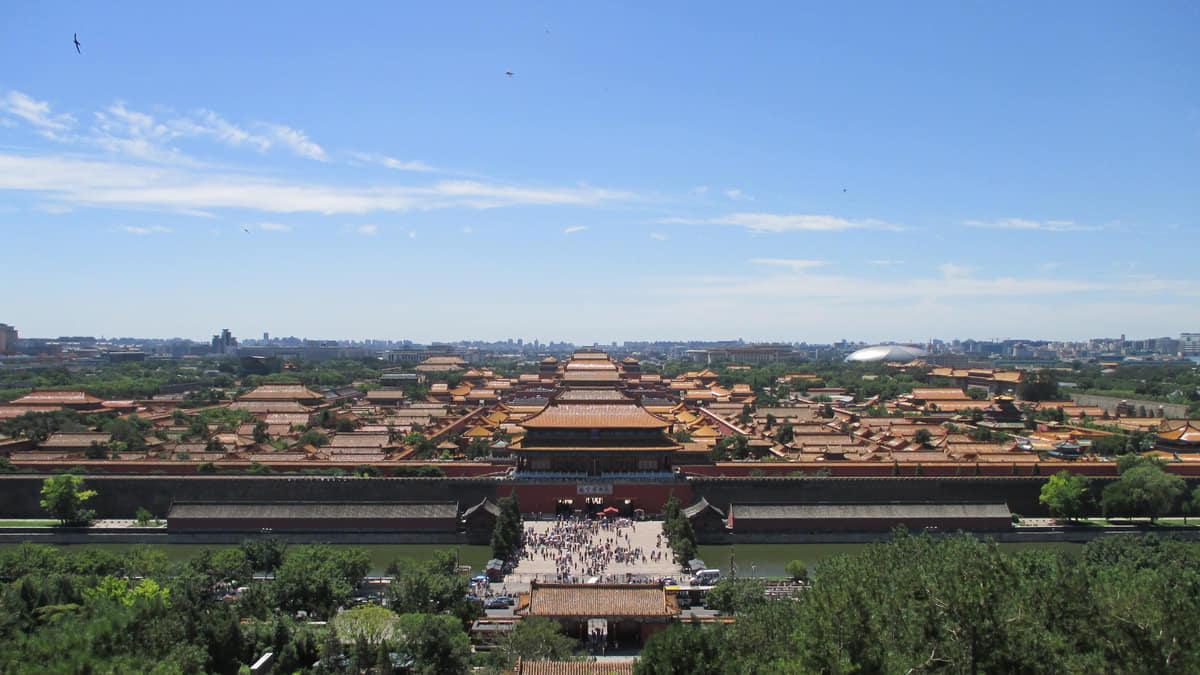
The axis is a sequence of gates, palace space, ritual sites, public spaces, bridges and later interventions rather than a single viewpoint. Component boundaries, buffer zones, everyday use, traffic and resident needs belong beside formal symmetry.[4]
Hutongs and courtyards
Lane names, plots, courtyard forms, utilities, tenancy, privacy, renovation, fire safety, commerce and tourism all change the meaning of hutong life. Jinyu Hutong's broad commercial street is a useful warning that a historic name does not guarantee a surviving narrow-lane form.[4][17]
Peking opera as a system
The national ICH record describes a form shaped through exchange and codified through music, voice, gesture, role types, costume and stage practice. Repertoire, schools, individual artists, contemporary staging and audience interpretation remain diverse and should be sourced precisely.[13]
Cloisonné and skilled process
Cloisonné links copper-body making, wire patterns, enamel filling, repeated firing, polishing and gilding. An archival workshop photograph reveals labor and tools, but dating, attribution, hazardous materials, current safety and authorship require workshop-specific records.[14]
Museums, libraries and archives
The 2025 bulletin recorded 249 registered museums, 154 free to enter, and 20 public libraries including the National Library at year end. These are dated institution counts, not guarantees of opening, accessibility, collection quality or free access to every exhibition.[5]
Parks as everyday public rooms
Walking, exercise, music, games, family care, birdwatching and seasonal viewing make parks social infrastructure as well as designed landscapes. Consent, noise, shared space, wildlife, crowding and weather complicate the postcard image.[17]
Plan a responsible food day
- Separate large palace or museum visits from long neighborhood walks; security, reservations, and distances can make a packed list unrealistic.
- Use the historic axis to understand sequence and scale, then leave it for hutongs, parks, markets, and specialist collections.
- A Great Wall outing belongs to the municipality but consumes most of a day; choose the section and transport before building the rest of the schedule.
- Opening rules and ticket systems change. Recheck official venue information close to the visit rather than copying an old itinerary.