
Best Time to Visit Shanghai: Weather and Seasons
Compare Shanghai by season, including weather trade-offs, walking conditions, indoor alternatives, and the city experiences that change through the year.
The short answer
Autumn often provides the most comfortable walking weather. Spring is mild but increasingly wet, summer is hot and storm-prone, and winter can feel damp because indoor heating is less universal than in northern China.
Season by season
Spring
Temperatures rise unevenly; rain and humidity increase, while parks and neighborhood walks become more comfortable.[1][2][3][4][5]
Summer
The plum-rain period is followed by sustained heat and humidity; thunderstorms and typhoons can disrupt plans.[1][2][3][4][5]
Autumn
Humidity and heat usually decline, creating good conditions for waterfront and neighborhood walking.[1][2][3][4][5]
Winter
Temperatures are cool rather than northern-China cold, but moisture and limited indoor heating can produce a damp chill.[1][2][3][4][5]
How climate changes the plan
Northern subtropical monsoon climate
Shanghai has four seasons, humid hot summers, a plum-rain period, and cool damp winters. Typhoons and intense rain can affect the warmer months.[1][2][3][4][5]
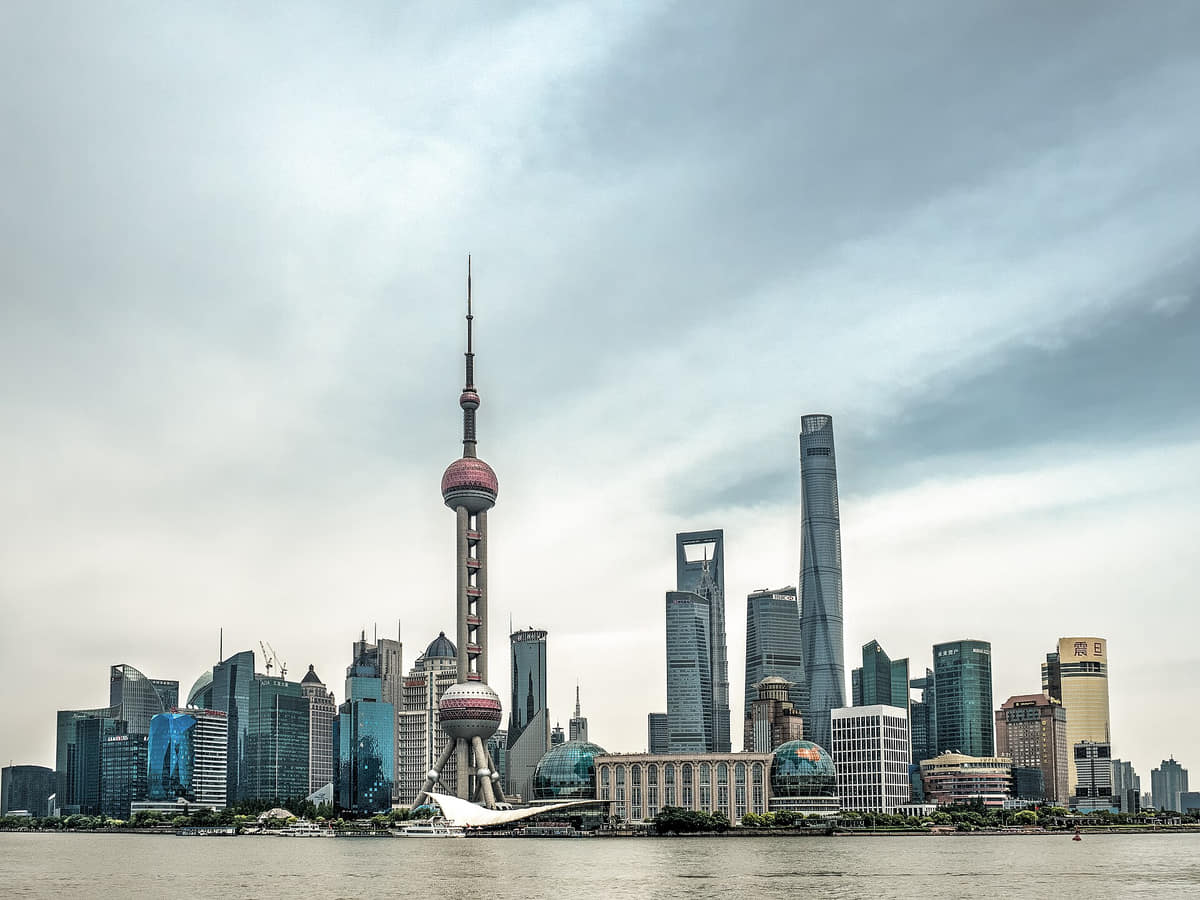
- Do not treat the Bund skyline as the whole city; cross the river and also enter residential-scale streets.
- Group sights by river crossing or metro corridor because central attractions that look close on a map may involve slow pedestrian approaches.
- Outer districts, water towns, wetlands, and industrial heritage require a different pace from the central shopping and museum areas.
- Typhoon and heavy-rain disruptions are seasonal possibilities, so keep one indoor collection or flexible neighborhood block in reserve.
Flexible city routes
River city
Bund ferry terminal → Huangpu crossing → Pudong waterfrontRead the river as infrastructure, public space, and a line between changing skylines.[1][2][3][4][5]
Lane and civic space
Lilong neighborhood → market → People's Square museumCombine domestic-scale streets with a major public institution.[1][2][3][4][5]
Beyond the center
Metro or suburban rail → water town, wetland, or outer districtSee how the municipality exceeds the familiar central skyline.[1][2][3][4][5]