
3 Days in Shanghai: A Culture-First Itinerary
A realistic three-day Shanghai itinerary connecting geography, history, neighborhoods, food, museums, landscapes, and everyday public life.
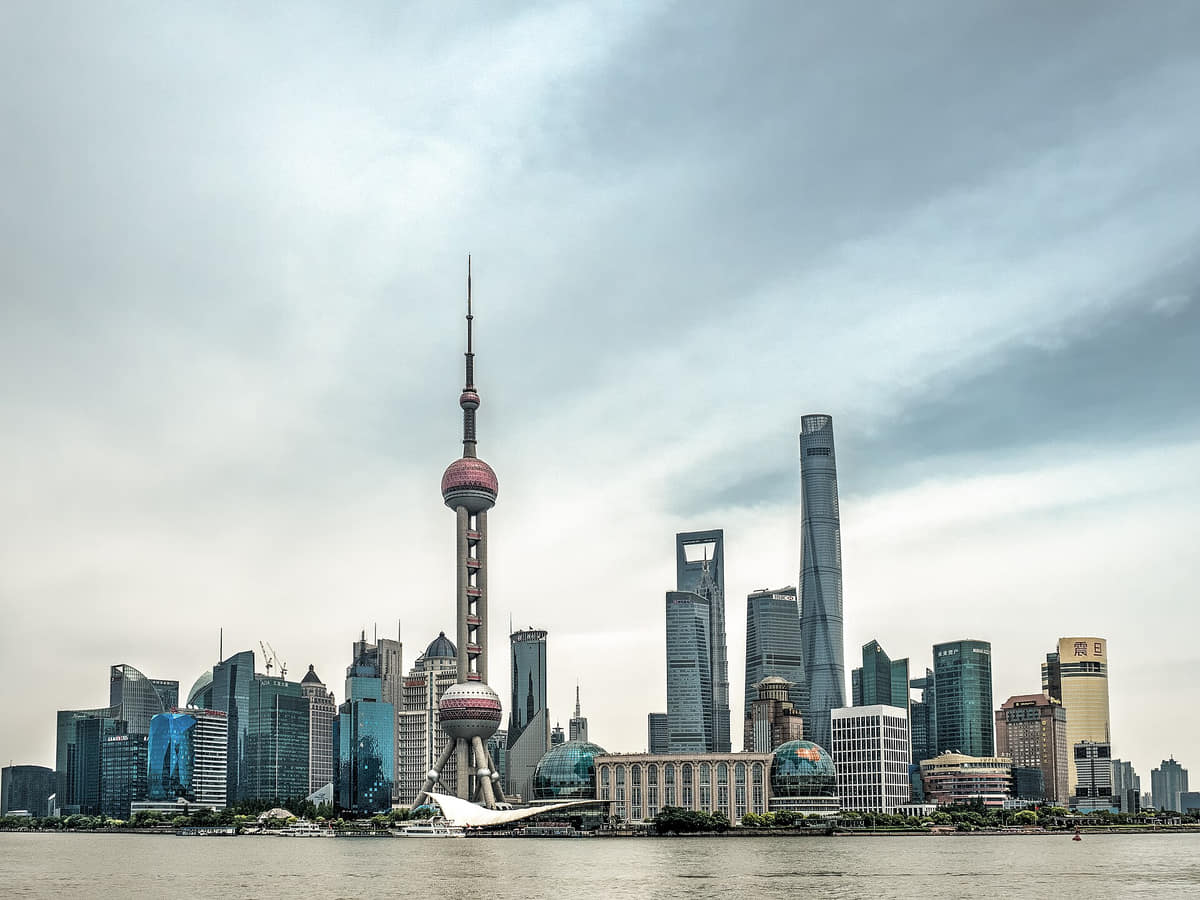
The short answer
A three-day plan should cross the Huangpu, move from domestic-scale lanes to civic institutions, and finish beyond the famous central skyline.
A culture-first three-day route
- Day 1
- Day 2
- Day 3
Keep the pace realistic
- Do not treat the Bund skyline as the whole city; cross the river and also enter residential-scale streets.
- Group sights by river crossing or metro corridor because central attractions that look close on a map may involve slow pedestrian approaches.
- Outer districts, water towns, wetlands, and industrial heritage require a different pace from the central shopping and museum areas.
- Typhoon and heavy-rain disruptions are seasonal possibilities, so keep one indoor collection or flexible neighborhood block in reserve.
What to eat along the way
Fourteen entries place steamed and fried snacks, braising, seasonal crab, home cooking, migration and the complete food system within technique, sourcing, labor, allergens, safety and maker variation.
Xiaolongbao
Thin dough encloses filling and liquid that becomes hot broth during steaming. Pleating, sealing, gelatin or stock, filling, steaming and service vary; confirm meat or shellfish, gluten, sesame, soy, temperature and cross-contact rather than treating the name as an ingredient list.[16]
Shengjian mantou
Buns cook against an oiled pan before or while steam finishes the upper dough. Crispness, fermentation, filling, broth, sesame and scallion vary by maker; hot liquid can burn, and pork, gluten, sesame, soy or other allergens require direct confirmation.[16][2]
Scallion-oil noodles
A seemingly simple bowl depends on how scallion is fried, the oil and soy seasoning, noodle thickness, cooking time and mixing. Recipes may contain wheat, soy, sugar, animal products or additional aromatics; appearance does not establish a vegetarian or allergen-free dish.[16][2]
Red-braised pork
Pork is commonly cooked with soy, sugar, wine and aromatics until sauce and fat change texture. Cut, blanching, sweetness, salt, alcohol retention and serving size vary; the glossy gallery image is a serving record, not a standard recipe or nutrition claim.[16][2]
Pork chop with rice cake
Pork and rice-cake slices are combined with sauce in several restaurant and snack forms. Meat cut, tenderizing, coating, frying oil and rice-cake texture vary; verify wheat, soy, egg, cooking oil, portion and cross-contact at the actual vendor.[16][2]
Seasonal mitten crab
Mitten crab is associated with cool-season dining and regional supply networks, but menu names can conceal different waters, farms and grades. Confirm species, legal source, season, freshness, storage, preparation, shellfish allergy and advisories; a plated crab photograph proves none of these.[16][2]