
3 Days in Xi’an: A Culture-First Itinerary
A realistic three-day Xi’an itinerary connecting geography, history, neighborhoods, food, museums, landscapes, and everyday public life.
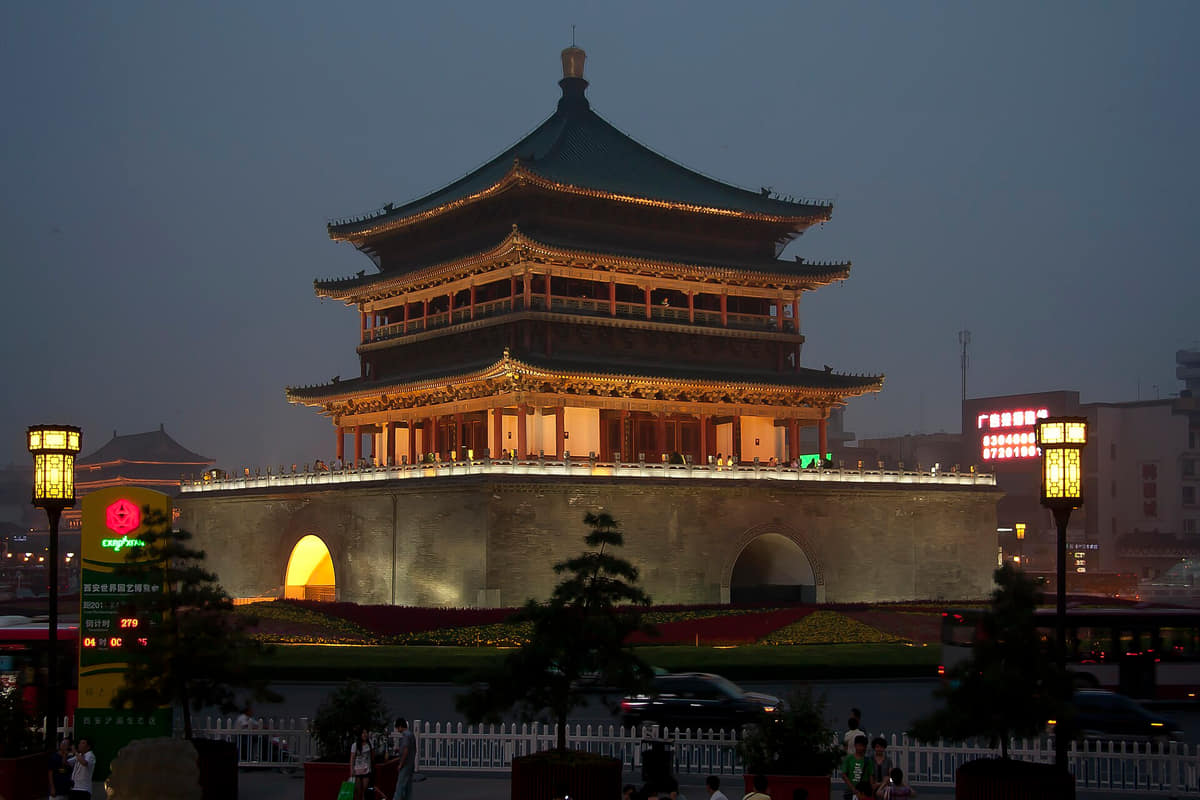
The short answer
A three-day Xi’an route should move from the living walled city to archaeological landscapes and then to the institutions and foodways that keep Chang’an memory active.
A culture-first three-day route
- Day 1
- Day 2
- Day 3
Keep the pace realistic
- Keep the Terracotta Army and related eastern sites as a dedicated day rather than attaching them to a crowded old-city schedule.
- Walk or cycle only a manageable section of the wall if museums and neighborhoods matter more than completing the circuit.
- Distinguish the Bell and Drum Tower commercial core from the wider history of Muslim communities, mosques, markets, and residential streets.
- Use museum collections before or after monument visits to understand objects, excavation context, chronology, and conservation.
What to eat along the way
Fourteen entries place noodles, breads, soups, cold-dressed staples, pastries, condiments and migrant kitchens within technique, community attribution, ingredients, allergens, labor, regulation and the complete food system.
Biangbiang noodles
Wide hand-pulled or stretched noodles are associated with Guanzhong, but thickness, fold, oil, chili, vinegar, vegetables and meat vary. The complex written character is a popular cultural sign, not an ingredient list; verify wheat, soy, sesame, peanut and cross-contact.[6]
Roujiamo
Baked flatbread is split and filled with chopped braised meat in many forms. Bread style, meat species and cut, braising liquid, fat, salt and size vary; the preparation photograph records labor but not universal recipe, hygiene or nutrition.[6]
Yangrou or niurou paomo
Paomo combines torn bread, broth and commonly mutton or beef, with maker-specific spices and service. The national ICH record documents one Laosunjia mutton tradition, not every bowl; confirm meat, gluten, broth, sodium, coriander, chili and halal practice.[14]
Liangpi
Liangpi is a family of cold-dressed sheets or strips made through different rice, wheat or starch processes. Texture, gluten content, sauce, vinegar, garlic, sesame, peanut, chili and bean sprouts vary; appearance alone cannot identify a safe allergen profile.[14][6]
Steamed and baked breads
Flatbreads, buns and wheat cakes support sandwiches, soups and standalone snacks. Fermentation, oven or steam, flour, oil, filling and holding temperature differ by stall or household; a steam-filled frame does not establish sanitation.[14][6]
Qishan-style saozi noodles
Sour, aromatic broth, diced toppings and thin noodles are associated especially with western Guanzhong and Qishan rather than originating in Xi'an city. Xi'an restaurants make and adapt them; label regional origin, meat, egg, tofu, wheat and vinegar accurately.[14][6]