
Best Time to Visit Suzhou: Weather and Seasons
Compare Suzhou by season, including weather trade-offs, walking conditions, indoor alternatives, and the city experiences that change through the year.
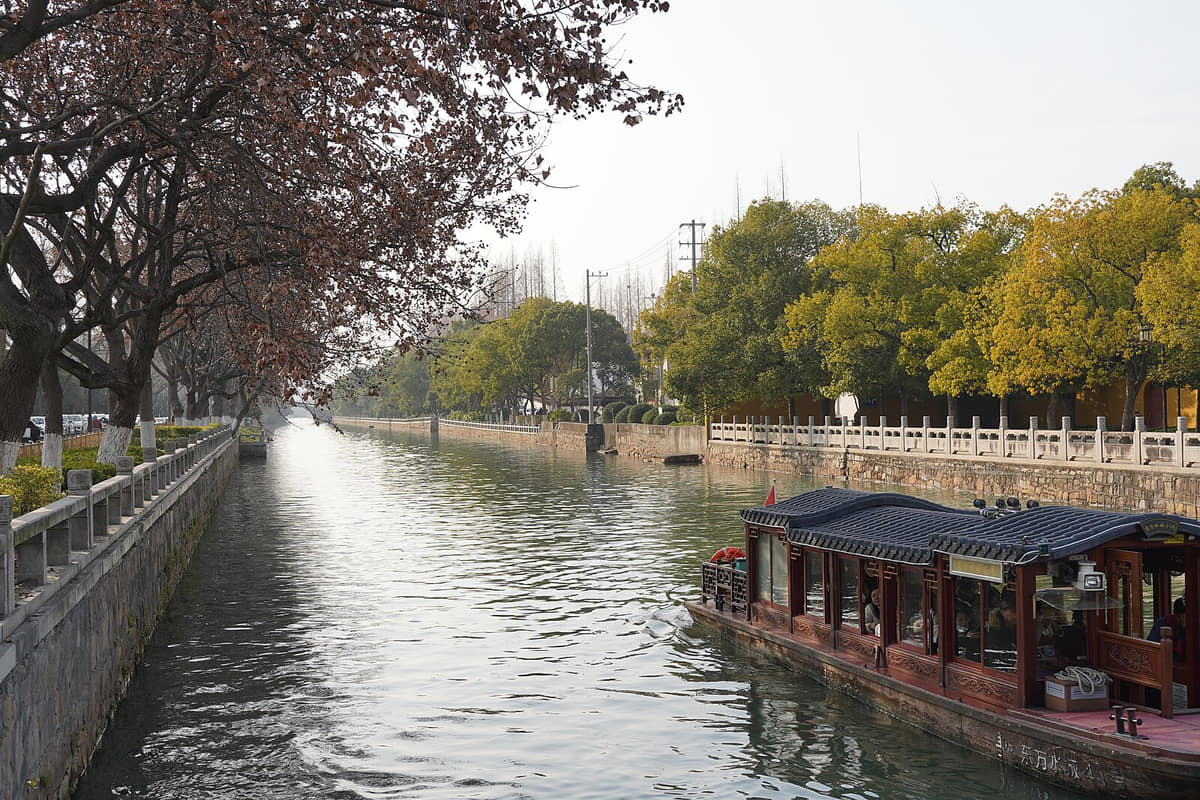
The short answer
Spring and autumn are usually most comfortable for gardens and canal walks, though rain and peak crowds remain possible. Summer is hot and humid; winter is quieter, colder, and often damp, with a more restrained garden atmosphere.
Season by season
Spring
Spring in Suzhou can change quickly; rain, wind, pollen, fog, or elevation should be checked before long outdoor routes.[1][2][3][4]
Summer
Hot, rainy summers and cool, damp winters shape canal neighborhoods, gardens, lake margins, and farming across the municipality.[1][2][3][4]
Autumn
Autumn often provides clearer intervals and cooler evenings, but current forecasts still matter for coast, mountain, river, and county routes.[1][2][3][4]
Winter
Winter conditions vary across the municipality; layered clothing and paired indoor–outdoor routes are the safest general approach.[1][2][3][4]
How climate changes the plan
Humid subtropical monsoon climate
Hot, rainy summers and cool, damp winters shape canal neighborhoods, gardens, lake margins, and farming across the municipality.[1][2][3][4]
- Reserve only the gardens that matter most to your reading of the city; several dense garden visits in one day can blur distinct histories, scales, and design ideas.
- Walk Pingjiang or Shantang at quieter hours and look beyond retail frontage to bridges, water management, residential access, and everyday neighborhood use.
- Tongli and other water towns are separate lived settlements with ticketing and conservation pressures, not interchangeable photo stops attached to central Suzhou.
- Use the Grand Canal, Suzhou Museum, and one contemporary district to connect heritage stewardship with the municipality’s manufacturing and metropolitan scale.
Flexible city routes
Old-city water and gardens
Suzhou Museum → Humble Administrator's Garden → Pingjiang RoadCompare museum interpretation, managed garden space and a living canal neighborhood. Reserve where required and avoid treating residential lanes as open-air sets.[1][5][6][10]
Canal infrastructure
Shantang River → Tiger Hill → Hanshan Temple → Grand Canal edgeFollow water, bridges, hill terrain, worship and transport memory while distinguishing historic fabric from later visitor infrastructure.[1][5][6][10]
Water towns and county life
Tongli in Wujiang or Zhouzhuang in KunshanChoose one town and read housing, schools, services, mobility and tourism together. Current transport and opening rules matter more than completing a checklist.[1][5][6][10]
Contemporary production city
Jinji Lake → Suzhou Industrial Park → Taicang port contextMove from public waterfront and research districts toward the municipality's logistics edge. Port areas are working sites; use legal public viewpoints and never enter operational zones without authorization.[1][5][6][10]