
Guilin Food Guide: What to Eat and How to Explore
Explore Guilin through signature dishes, meal formats, markets, food safety, neighborhood context, and the cultural practices around eating.
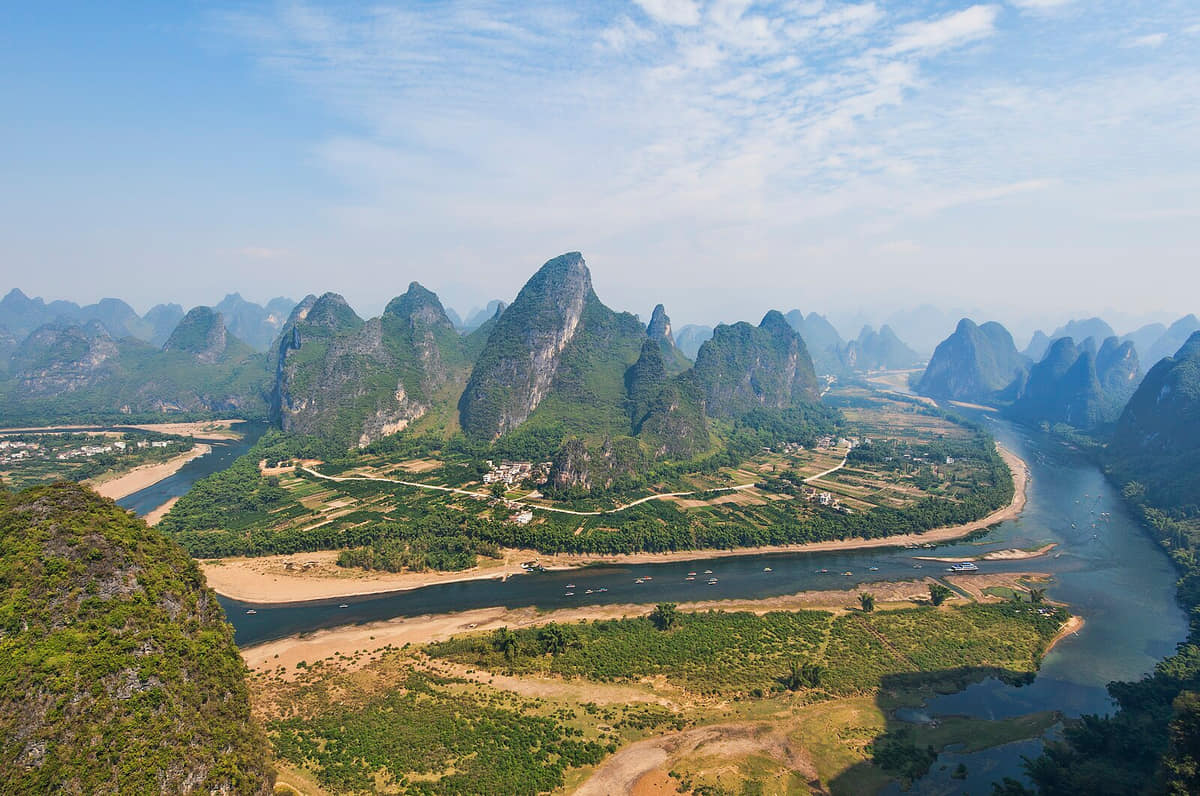
The short answer
Guilin food includes rice noodles, river and farm ingredients, pickles, taro, oil tea, and county-specific dishes. Treat named specialties as varied local practices and verify river-product sourcing and dietary ingredients.
What to eat
Six locally specific food records connect ingredients, work, markets, and social routines.
Guilin rice noodles
Yangshuo beer fish
Lipu taro
Gongcheng oil tea
Stuffed field snails
Longji bamboo rice
Food as a way to read the city
Zhuang community traditions
Zhuang community traditions is documented alongside Yao community traditions and Longji terrace farming knowledge. Together they show how practice is carried by named institutions, practitioners, neighborhoods, and county communities rather than by a single citywide stereotype.[1][2][3][4]
Yao community traditions
Yao community traditions is documented alongside Longji terrace farming knowledge and Guilin landscape painting and poetry. Together they show how practice is carried by named institutions, practitioners, neighborhoods, and county communities rather than by a single citywide stereotype.[1][2][3][4]
Longji terrace farming knowledge
Longji terrace farming knowledge is documented alongside Guilin landscape painting and poetry and County market festivals. Together they show how practice is carried by named institutions, practitioners, neighborhoods, and county communities rather than by a single citywide stereotype.[1][2][3][4]
Guilin landscape painting and poetry
Guilin landscape painting and poetry is documented alongside County market festivals and River and cave guiding knowledge. Together they show how practice is carried by named institutions, practitioners, neighborhoods, and county communities rather than by a single citywide stereotype.[1][2][3][4]
County market festivals
County market festivals is documented alongside River and cave guiding knowledge and Zhuang community traditions. Together they show how practice is carried by named institutions, practitioners, neighborhoods, and county communities rather than by a single citywide stereotype.[1][2][3][4]
River and cave guiding knowledge
River and cave guiding knowledge is documented alongside Zhuang community traditions and Yao community traditions. Together they show how practice is carried by named institutions, practitioners, neighborhoods, and county communities rather than by a single citywide stereotype.[1][2][3][4]
Plan a responsible food day
- Decide whether the Li River day is a one-way cruise, shorter river section, road-based route, or local ferry sequence before booking onward transport.
- Yangshuo is a county town and rural municipality context, not simply a Guilin attraction; allow time for residents, farming, traffic, and non-scenic daily life.
- Karst caves, peaks, rivers, and terraces respond differently to rain, heat, flooding, visibility, and crowd control, so keep route-specific alternatives.
- Use central museums or local interpretation to distinguish Zhuang, Yao, Miao, Dong, Han, and other community histories rather than merging them into one label.