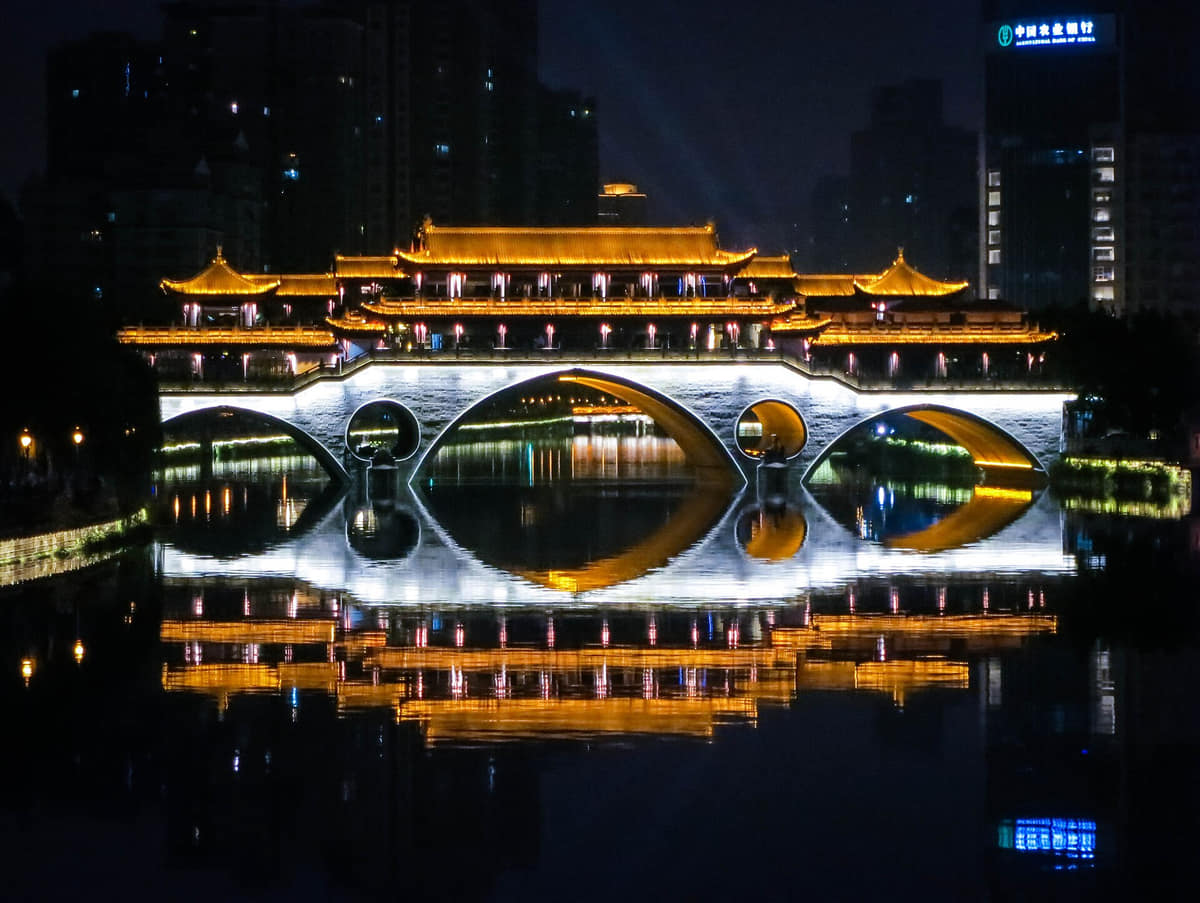
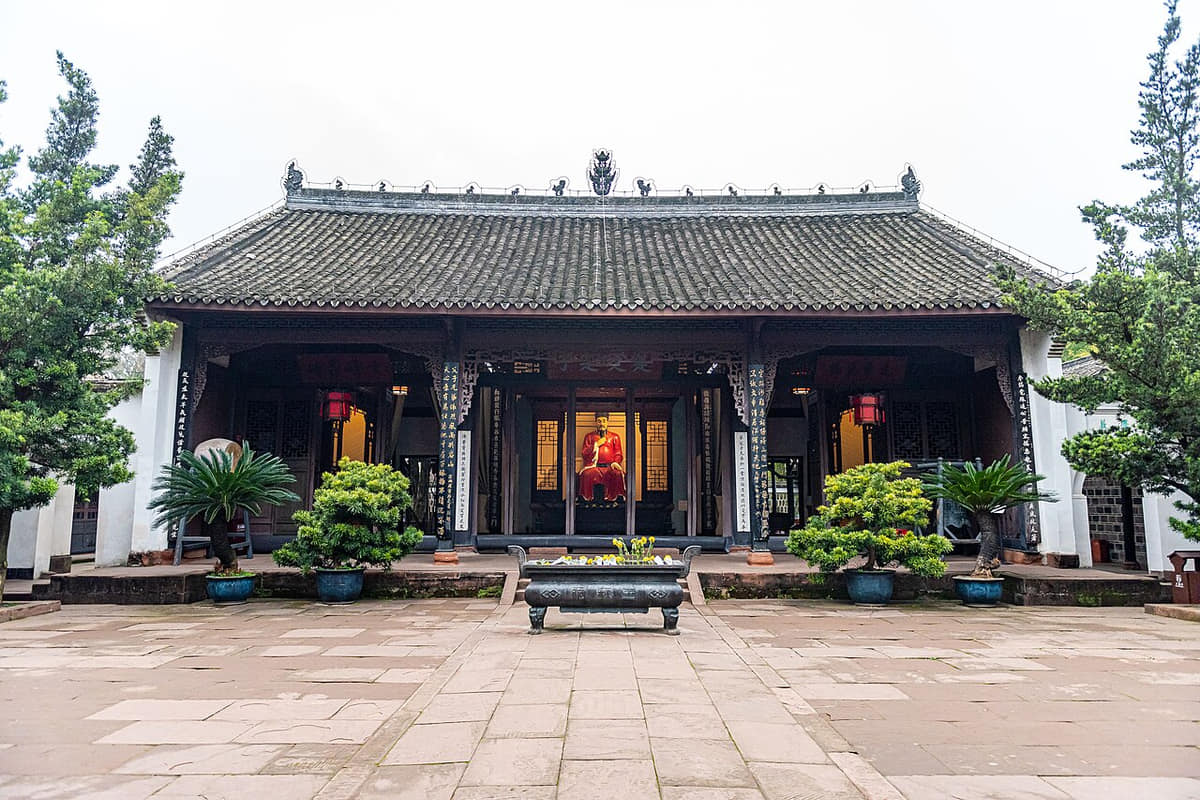
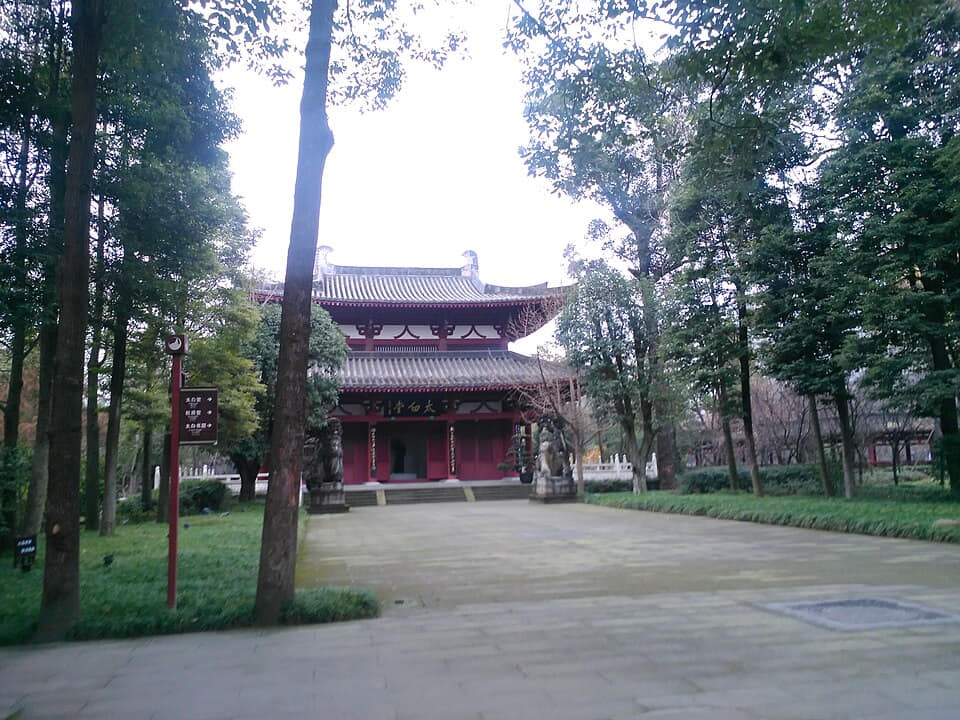
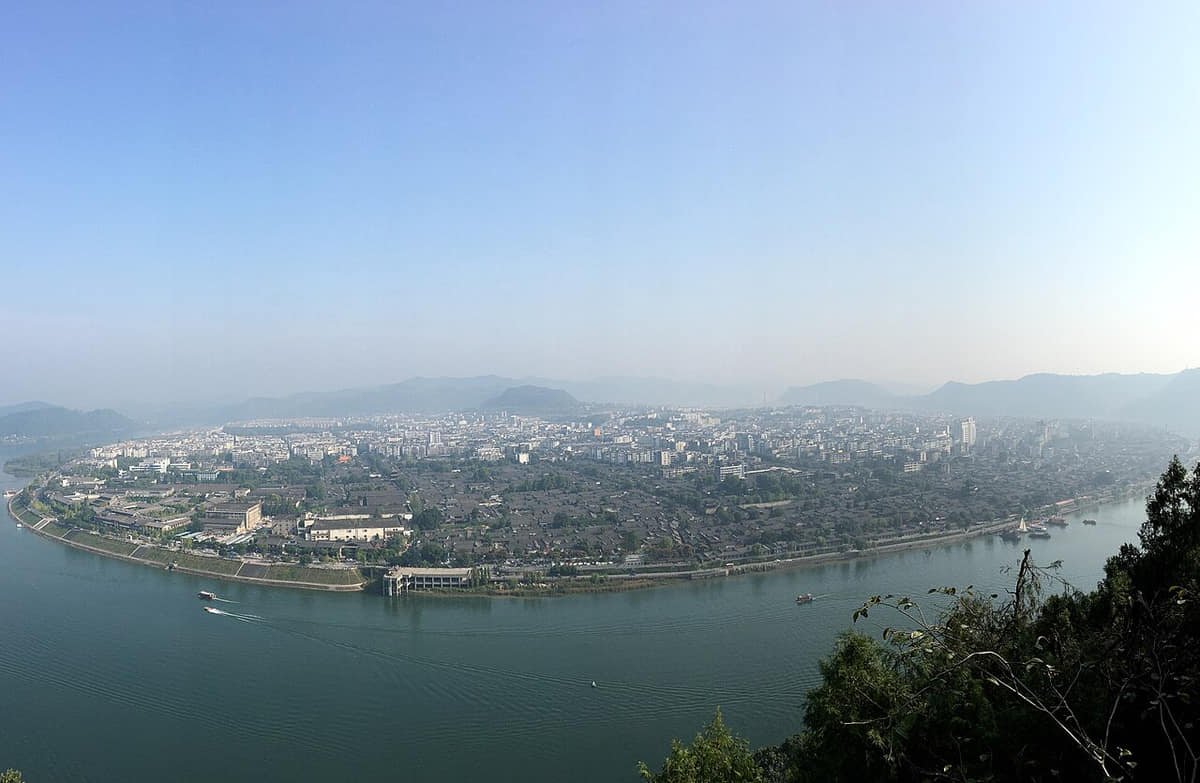
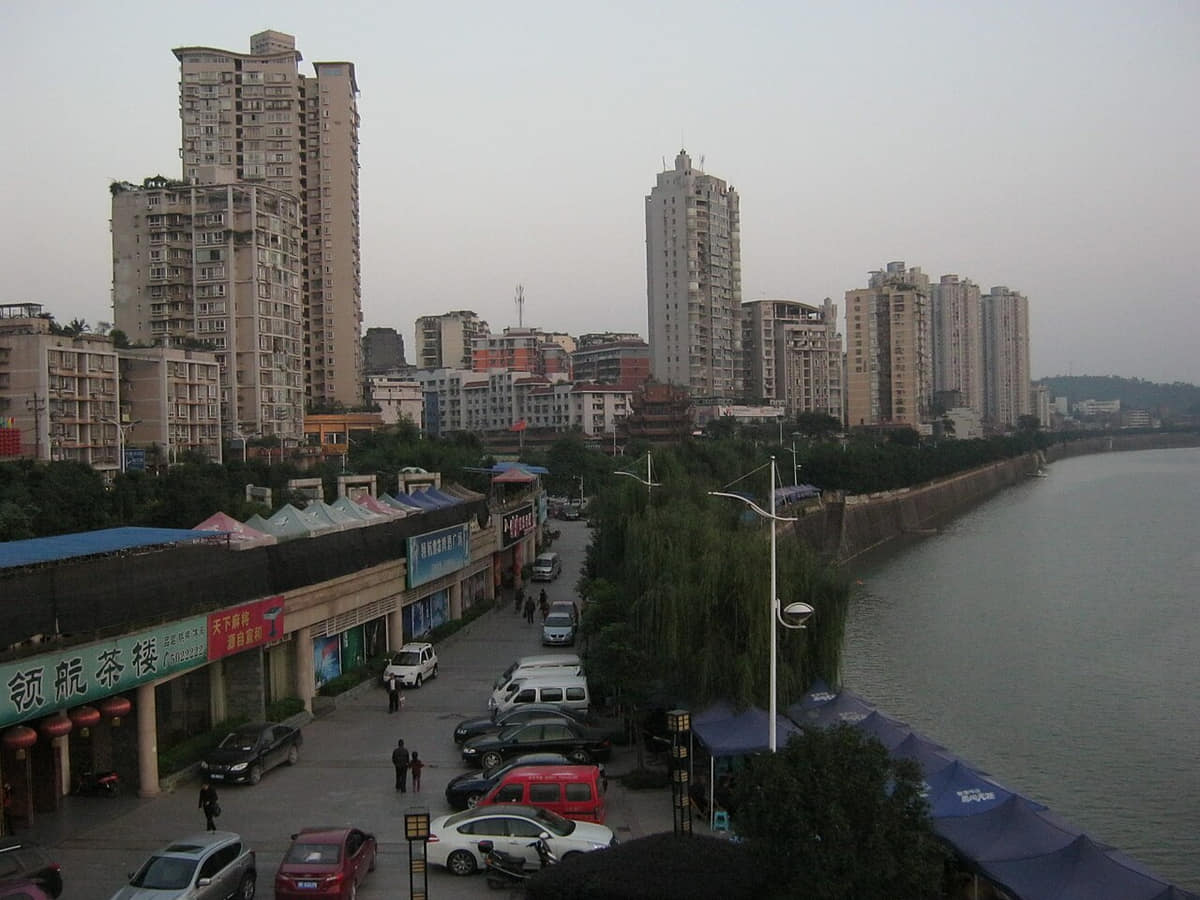
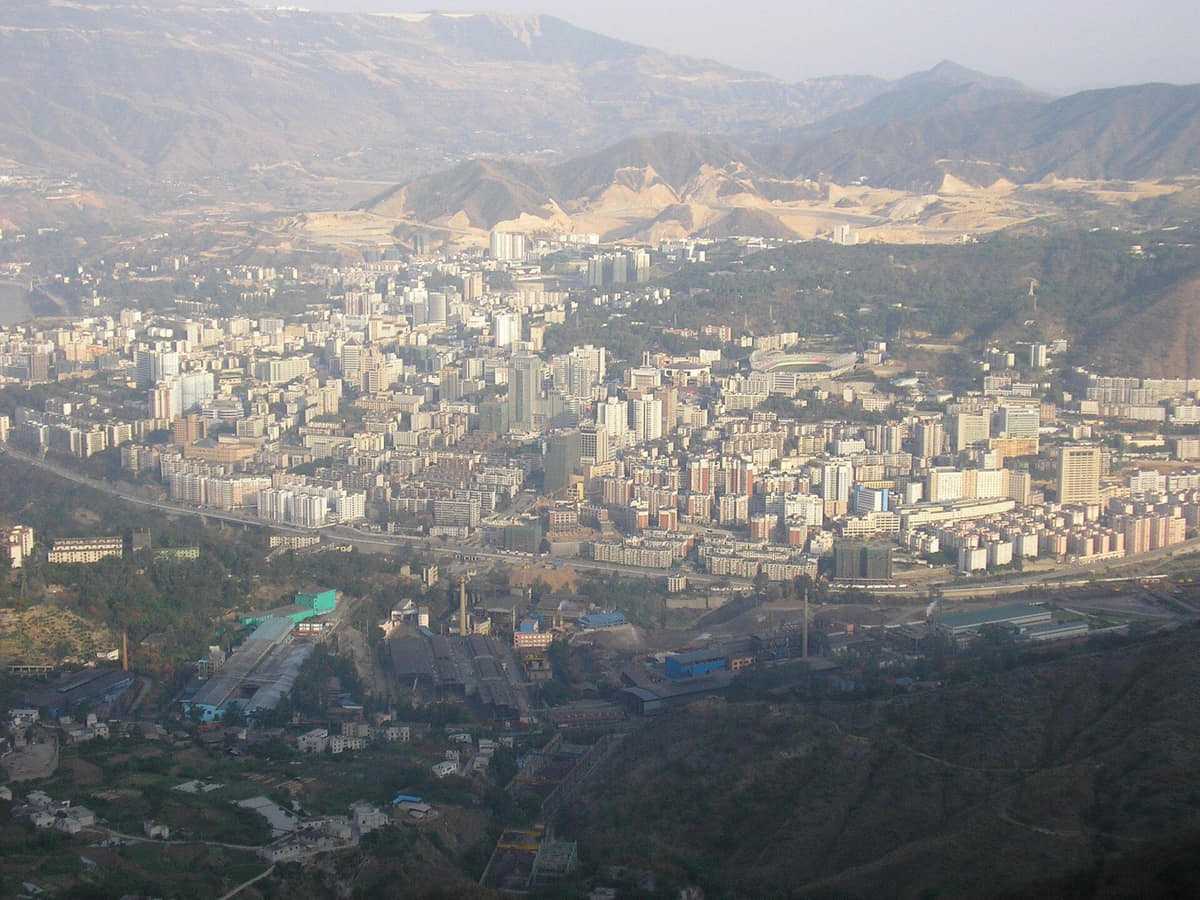
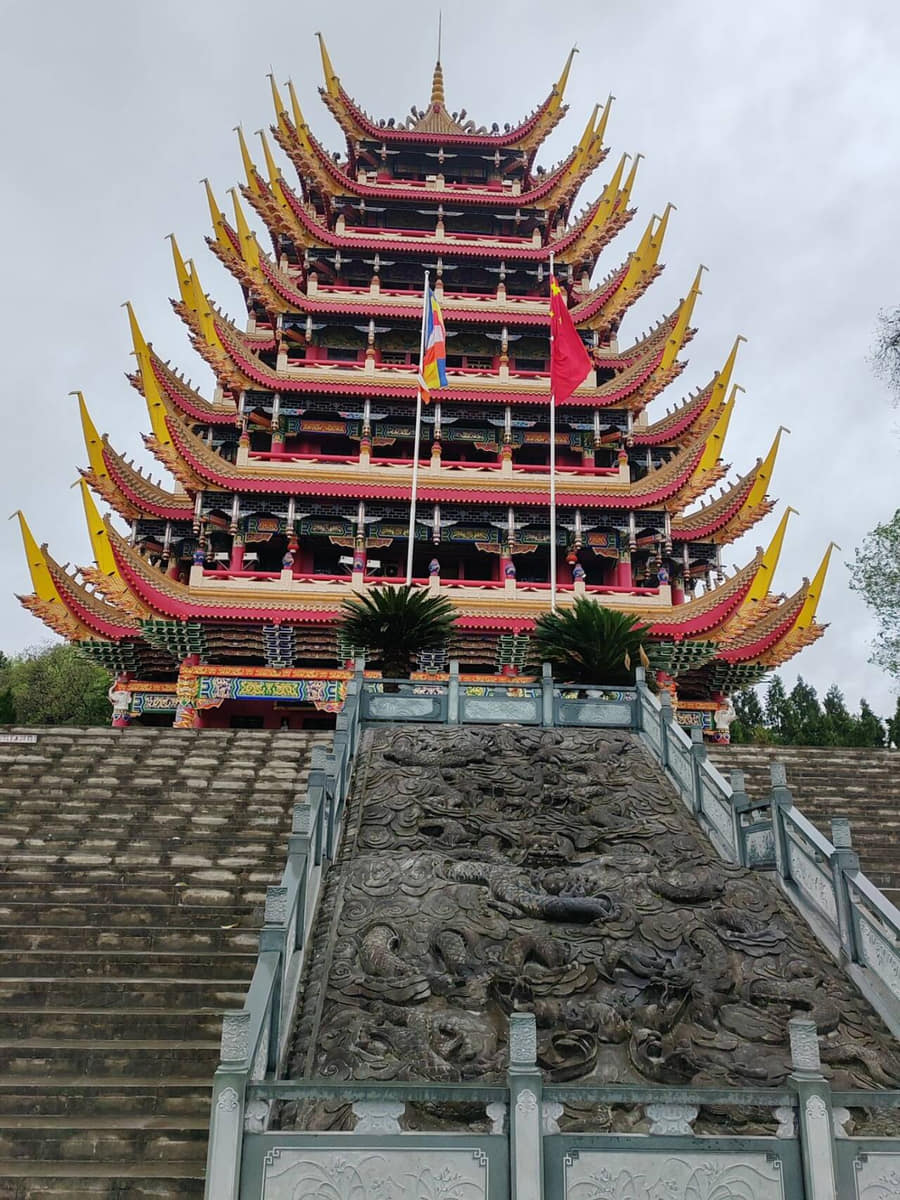
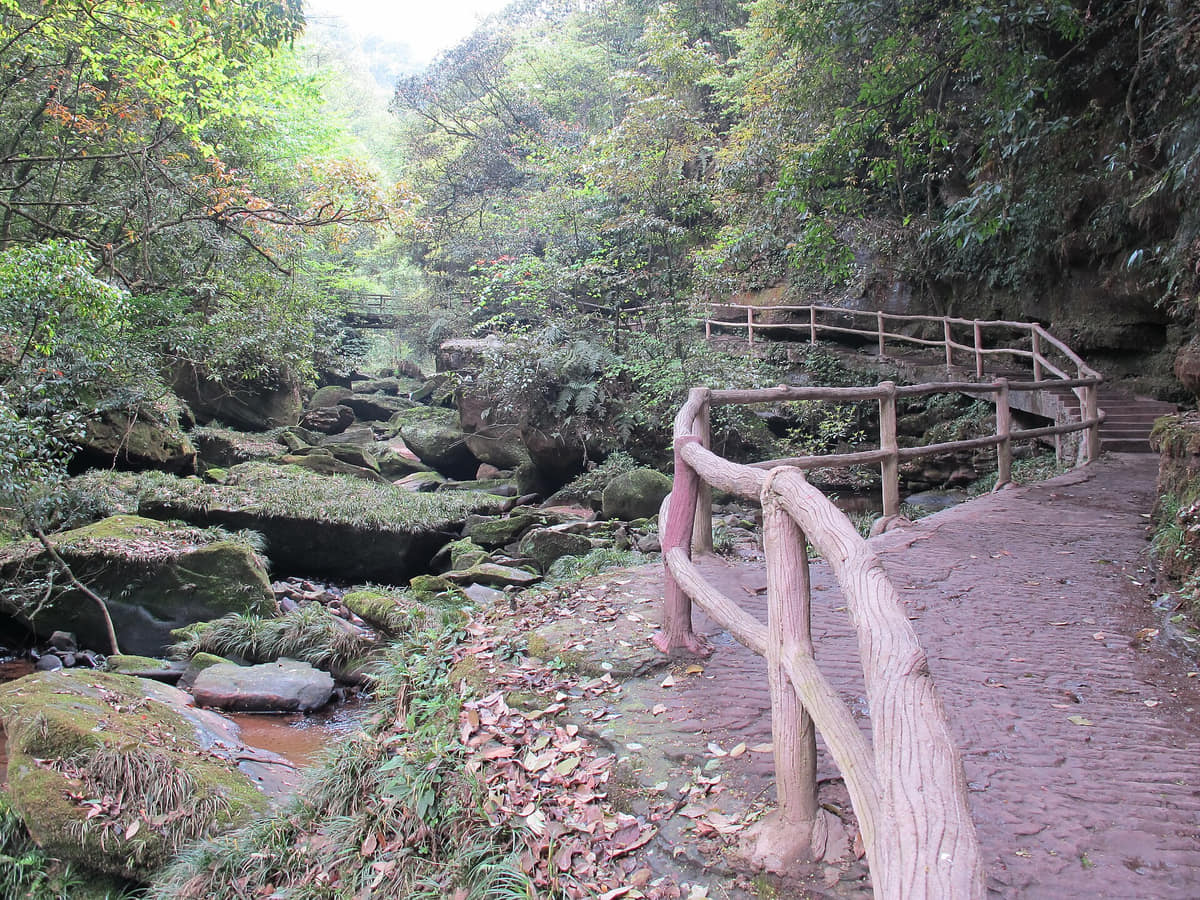
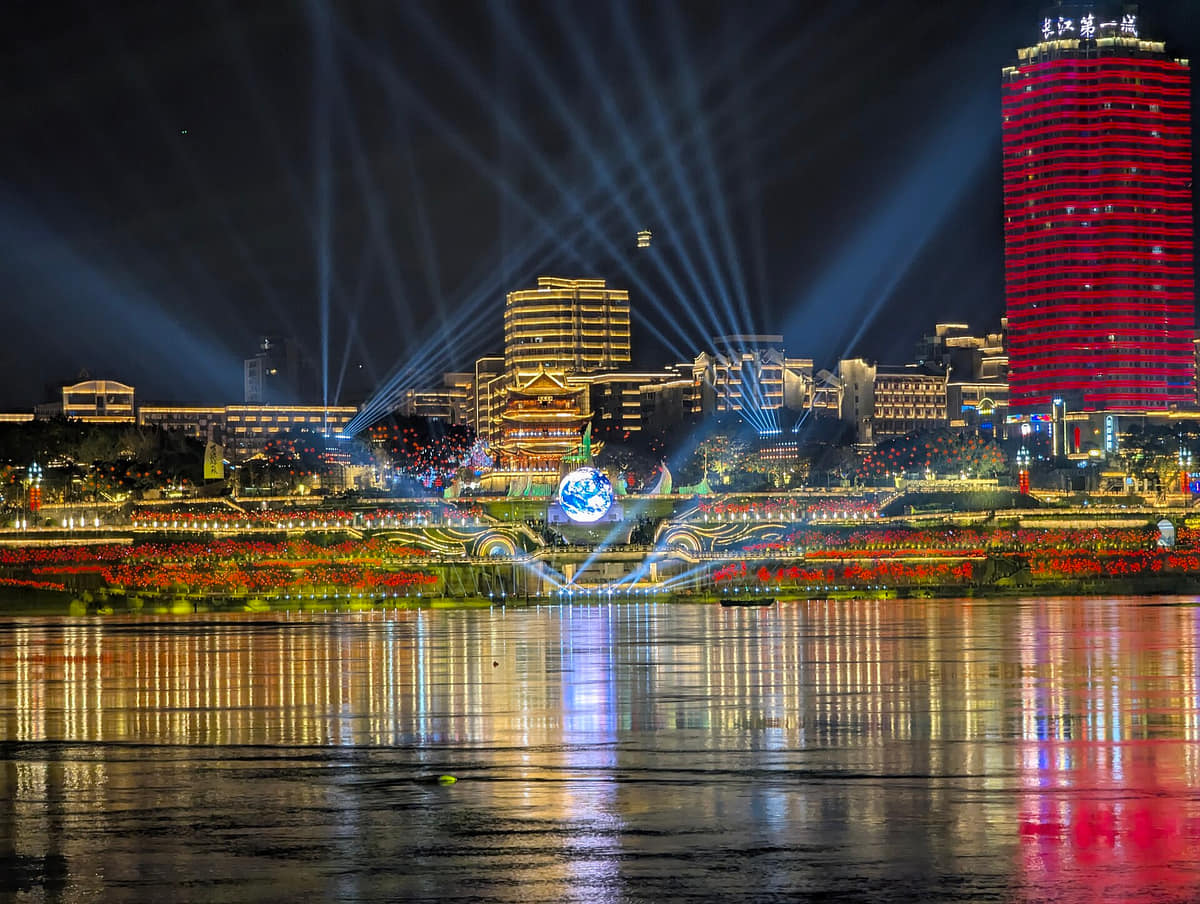
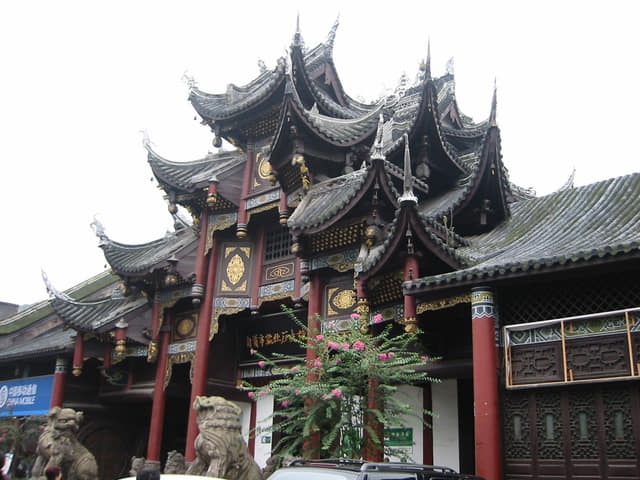
The Chengdu Plain, basin cities, Tibetan Plateau margins, Daba and Hengduan mountains, river corridors, county cultures, and varied foodways define Sichuan.
18published city profiles1A-tier city clustersProvince index reviewed
A-tier planning clusters in this region
Priority cities connect the atlas profile to four focused English planning intents: first visit, seasons, three days, and food.
The province guide is a regional index, not a substitute for the detailed city profiles below. Every listed city retains its own sources, scope, imagery, and editorial review.
Chengdu is not only a dense city center. Its municipality stretches across the Chengdu Plain toward foothills and mountain landscapes in the west, so population, climate, and place descriptions must be read at more than one scale.
History
Nine chronological layers connect ancient Shu material culture, hydraulic engineering, textile production, political memory, poetry, commercial streets, industrial change, museums, and the contemporary metropolitan region.
Food and daily life
Twelve entries treat Chengdu food as a system of ingredients, fermentation, aroma, texture, knife work, heat control, service formats, and social settings—not as a list of dishes that are merely spicy.
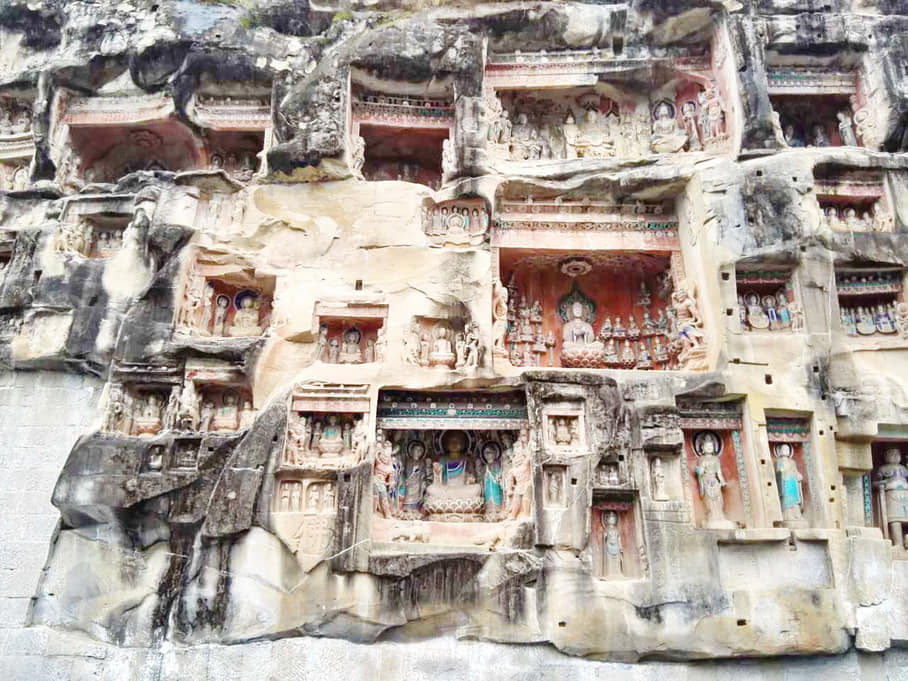
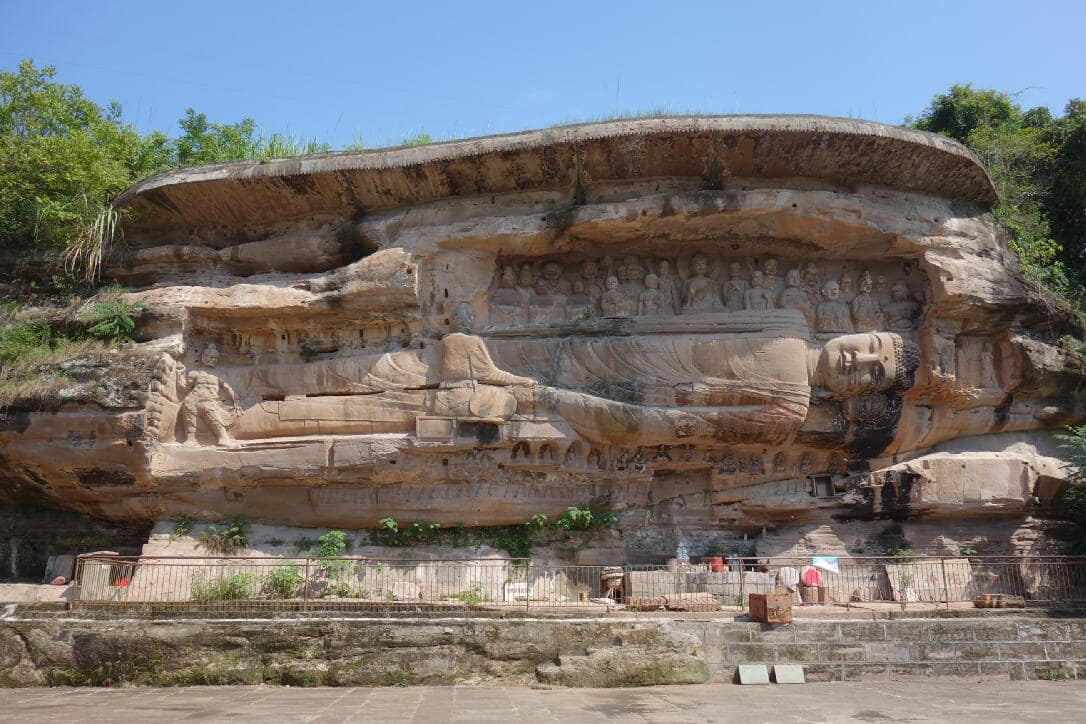
Ten sourced layers move from archaeological landscape and distributed cliff carving through county institutions, Enyang's route-town history, three gazetteer editions, cross-cultural archives, modern transport, public memory, and contemporary conservation.
Food and daily life
Thirteen entries place Tongjiang silver ear, Nanjiang yellow goat, Pingchang green pepper, cured pork, Enyang banquets, fungi, grains, preserves, fish, and the whole food system within biology, labor, technique, safety, traceability, animal welfare, affordability, and maker variation.
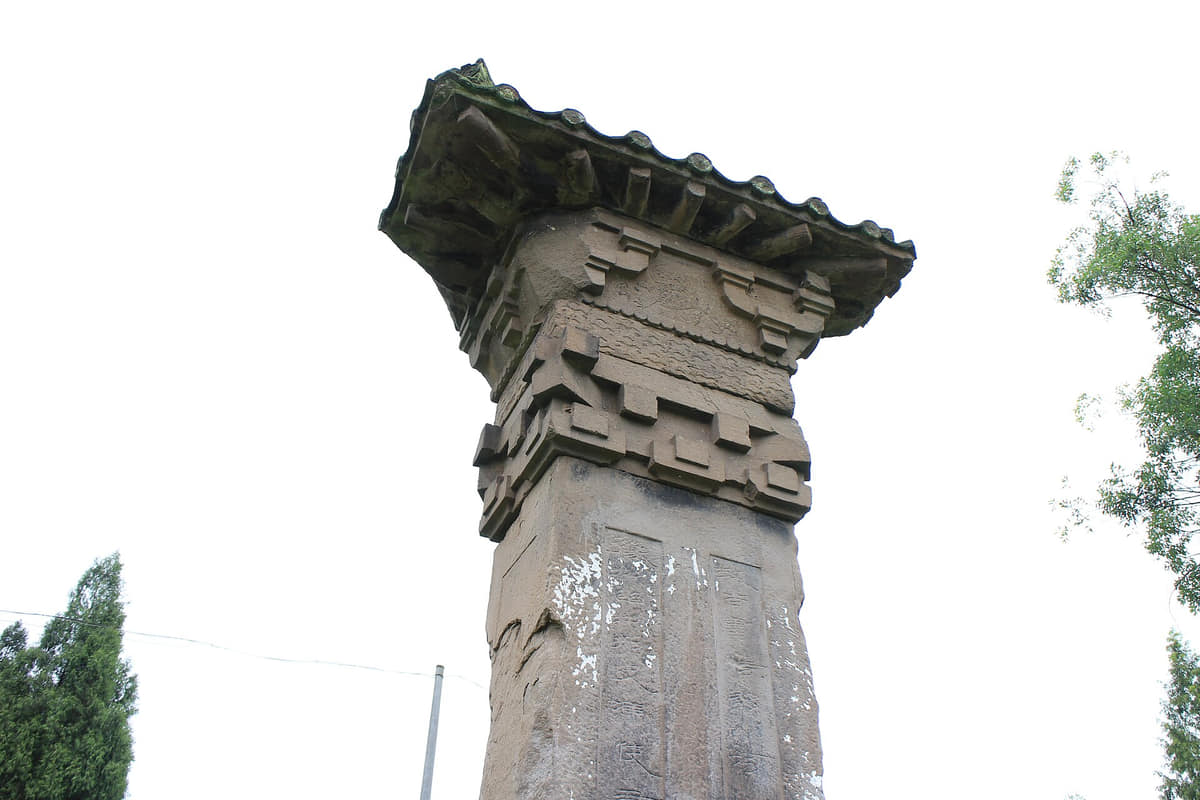
Nine evidence-led layers move from early settlement through Luojiaba and Chengba archaeology, Han funerary towers, changing routes and counties, late-imperial towns, modern institutions, rail and industry, dated documentary records, and contemporary stewardship.
Food and daily life
Twelve entries place Dengying beef, fermented mash, daylily, cured meat, bamboo shoots, river fish, toon, goose and duck, selenium tea, mountain potatoes, chile and chicken, daily meals, and the complete food system within sourcing, technique, labor, safety, season, labeling, and maker variation.
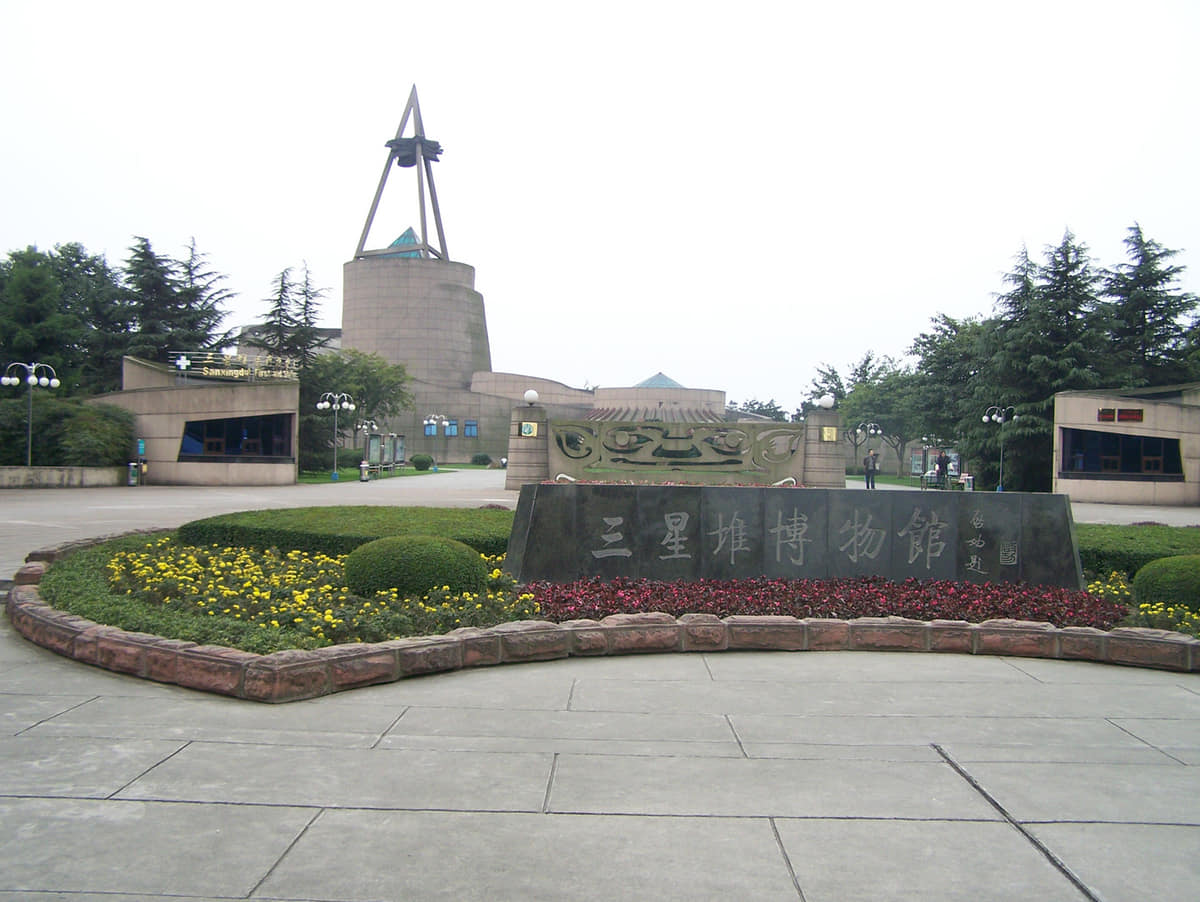
Nine evidence-led layers move from plain settlement and Bronze Age Sanxingdui through county institutions, print craft, industrial construction, municipal formation, earthquake reconstruction, and current research.
Food and daily life
Twelve entries place famous local foods within technique, workshop regulation, agriculture, preservation, canteens, markets, and everyday meals; contextual images are never presented as Deyang originals.
Nine evidence-led layers move from rivers and early settlement through changing administration, Song tomb archaeology, pagodas and fortified towns, river commerce, modern institutions, mining and rail, source-separated biography, and contemporary stewardship.
Food and daily life
Twelve entries place salted preserved eggs, Long'an pomelo, Yuechi rice noodles, Wusheng spicy beef, Linshui oranges and hollow hanging noodles, river fish, everyday agriculture, preserved foods, mountain vegetables, daily meals, and the wider food system within sourcing, technique, labor, safety, season, price, and maker variation.
Nine evidence-led layers move from early river-and-route settlement through imperial roads, cliff carving, pass administration, towns and ferries, modern rail, municipal formation, heritage law, and national-park conservation.
Food and daily life
Twelve entries place steamed rice noodles, Jianmen tofu, county dishes, fruit, walnuts, tea, mushrooms, river food, preservation, banquets, markets, and home meals within technique, labor, regulation, and landscape.