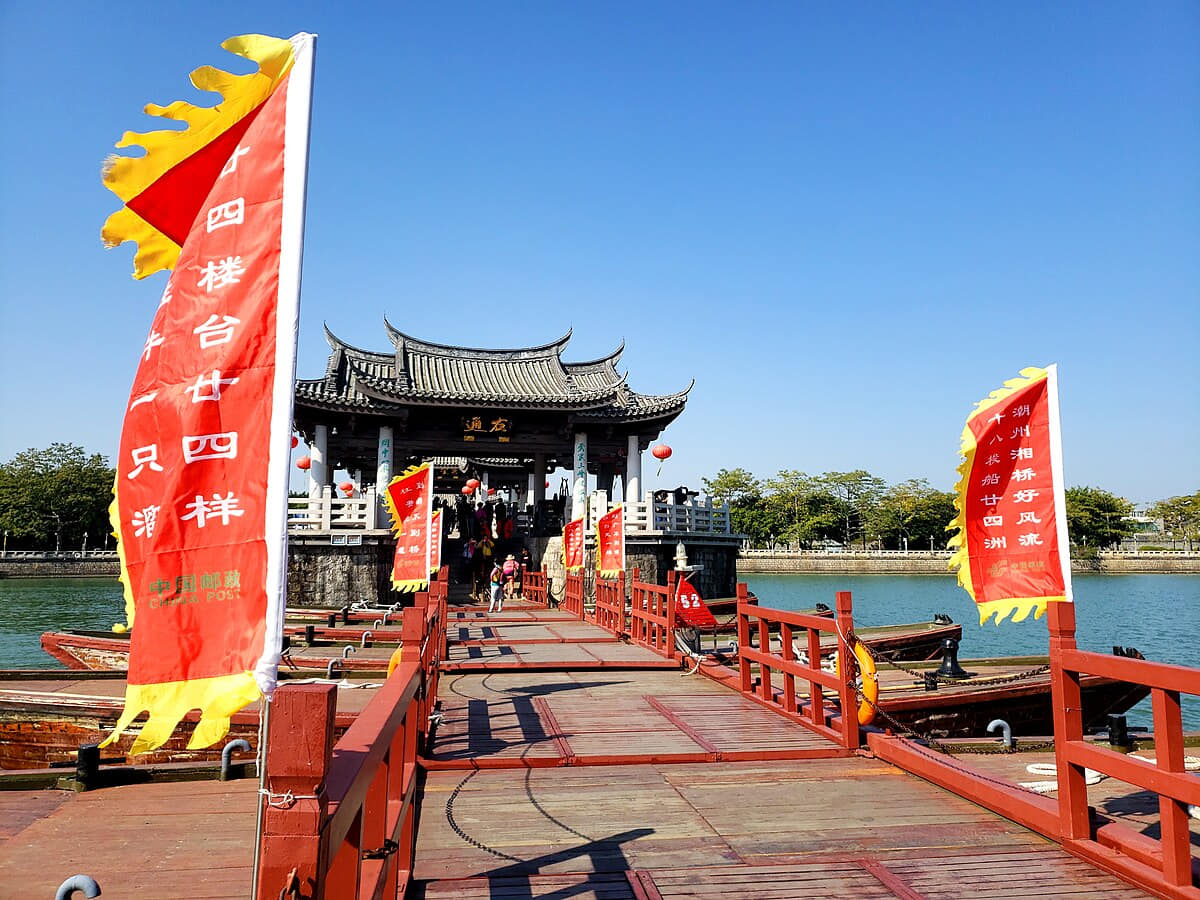
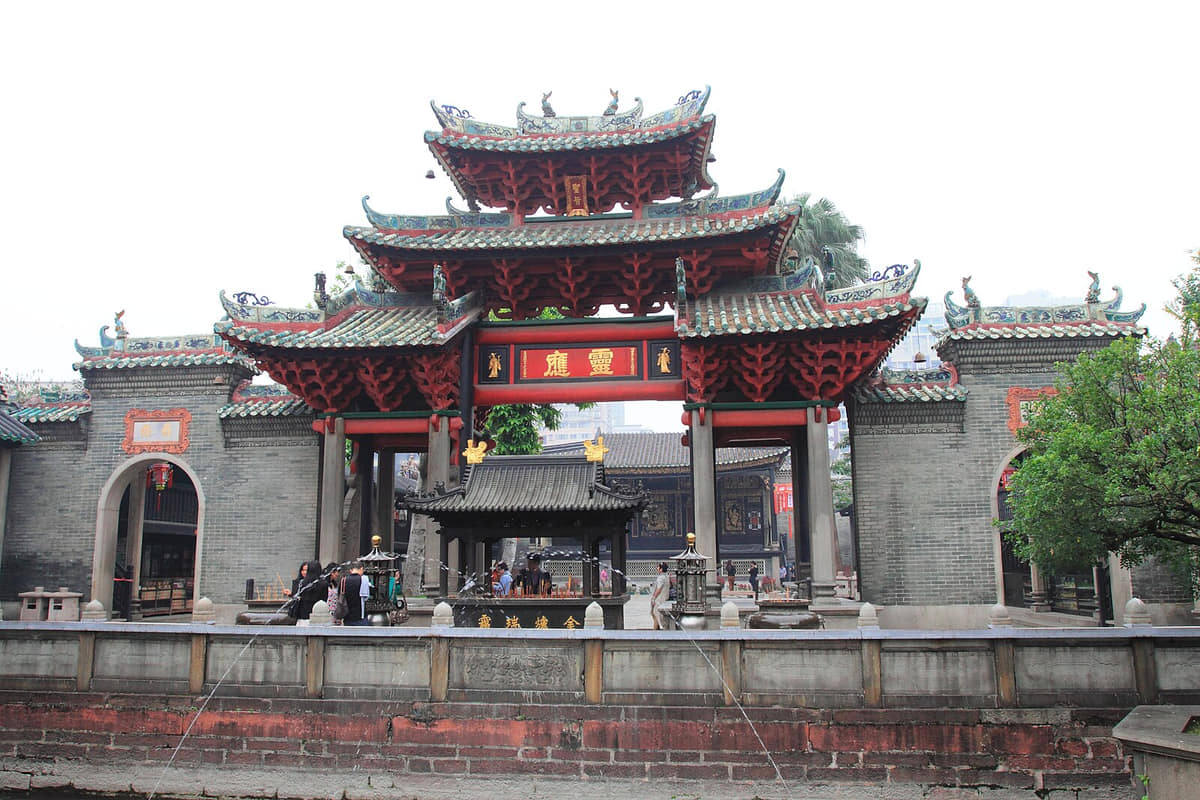
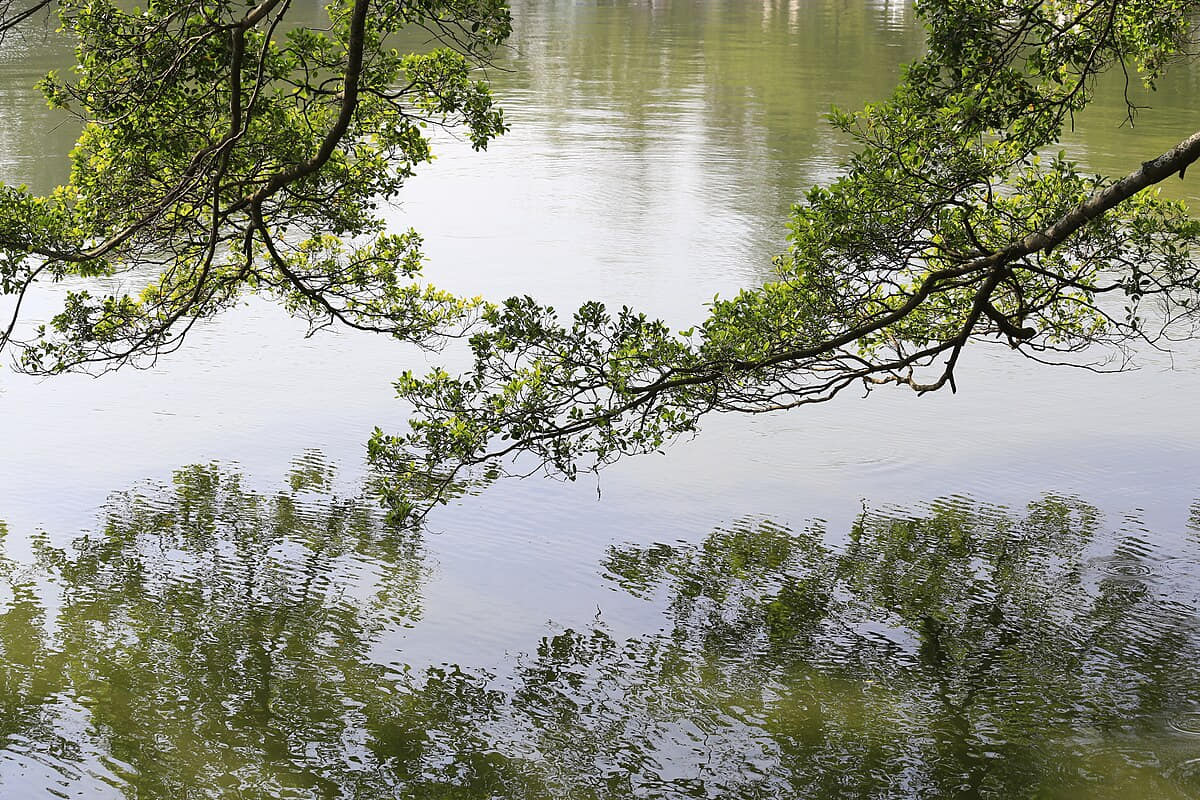
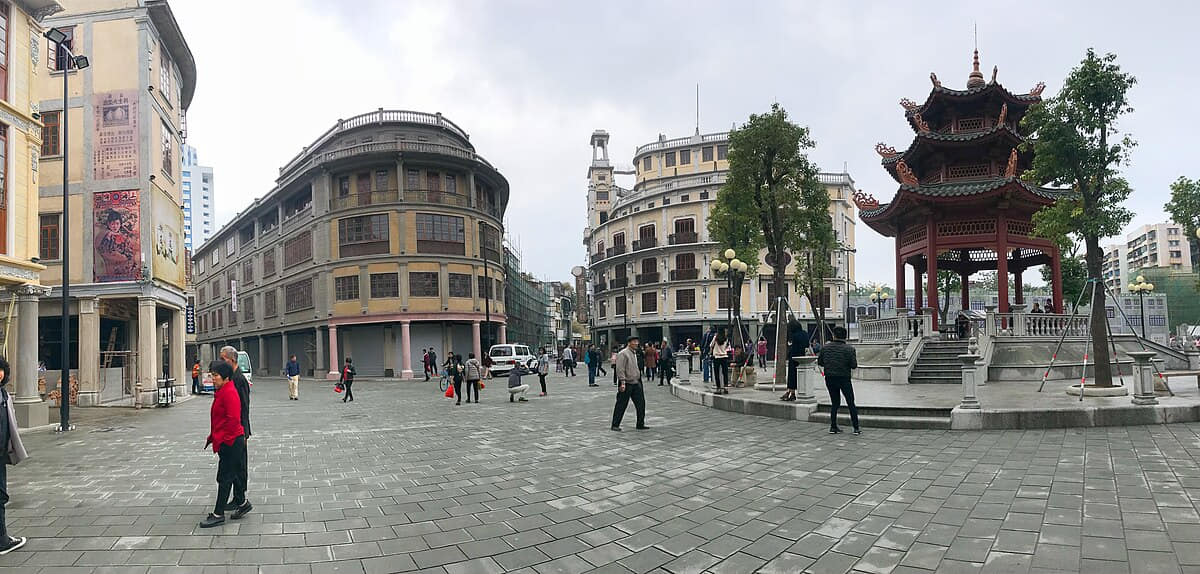
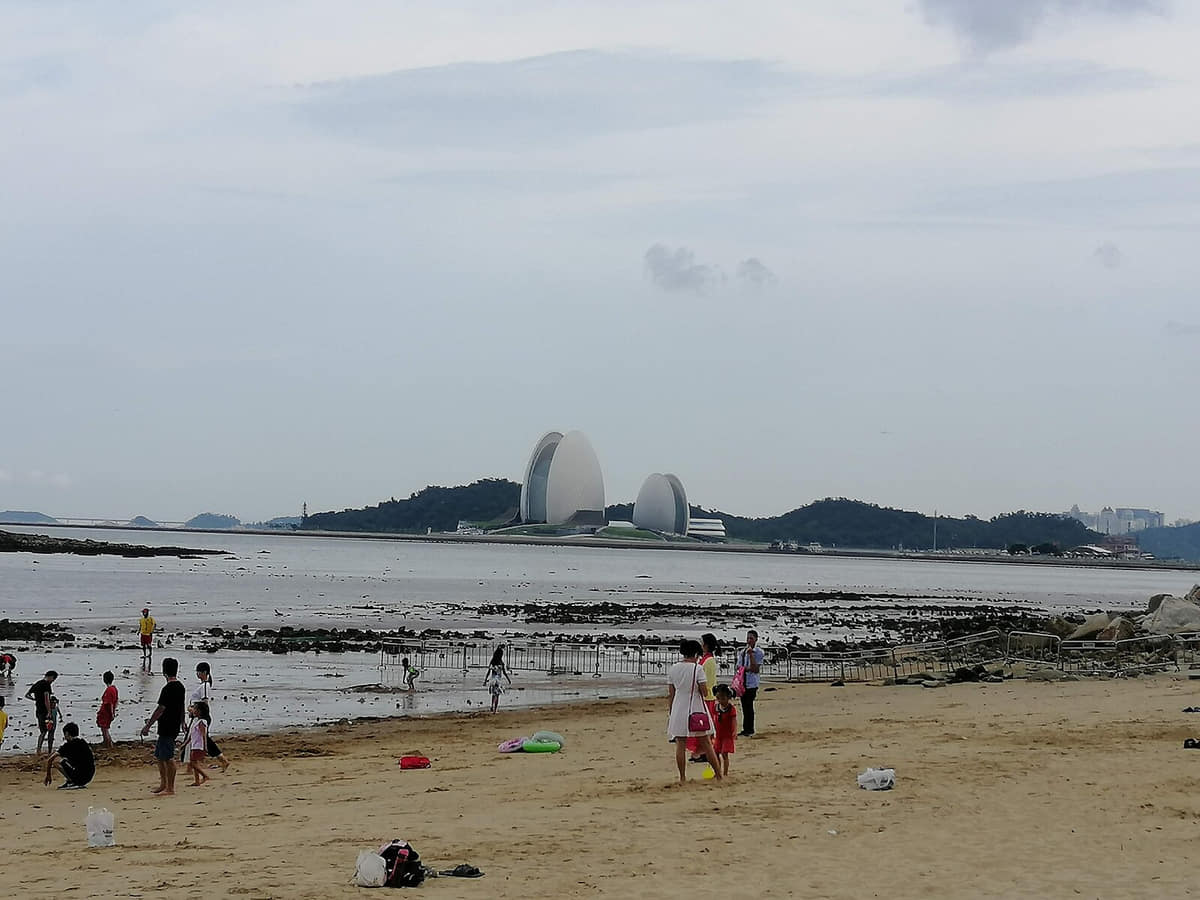
Pearl River cities, Lingnan culture, manufacturing corridors, Hakka and Chaoshan regions, islands, ports, and subtropical mountains make Guangdong highly varied.
7published city profiles2A-tier city clustersProvince index reviewed
A-tier planning clusters in this region
Priority cities connect the atlas profile to four focused English planning intents: first visit, seasons, three days, and food.
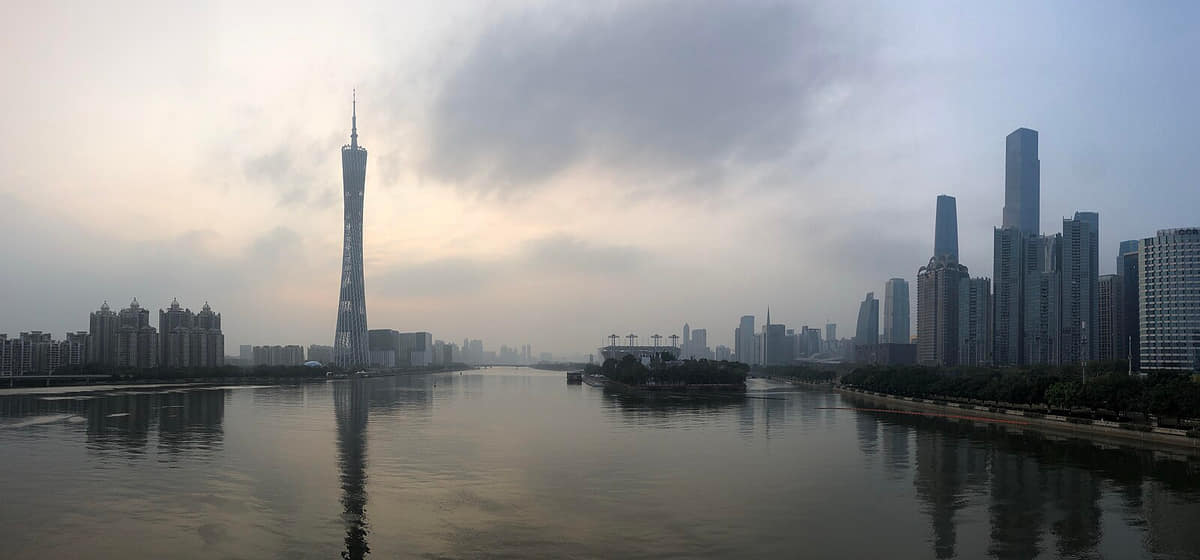
A multilingual Pearl River metropolis where maritime trade, Cantonese food and performance, craft, migration, urban villages, provincial institutions, ports, manufacturing, services, and mountain-edge districts remain intertwined.
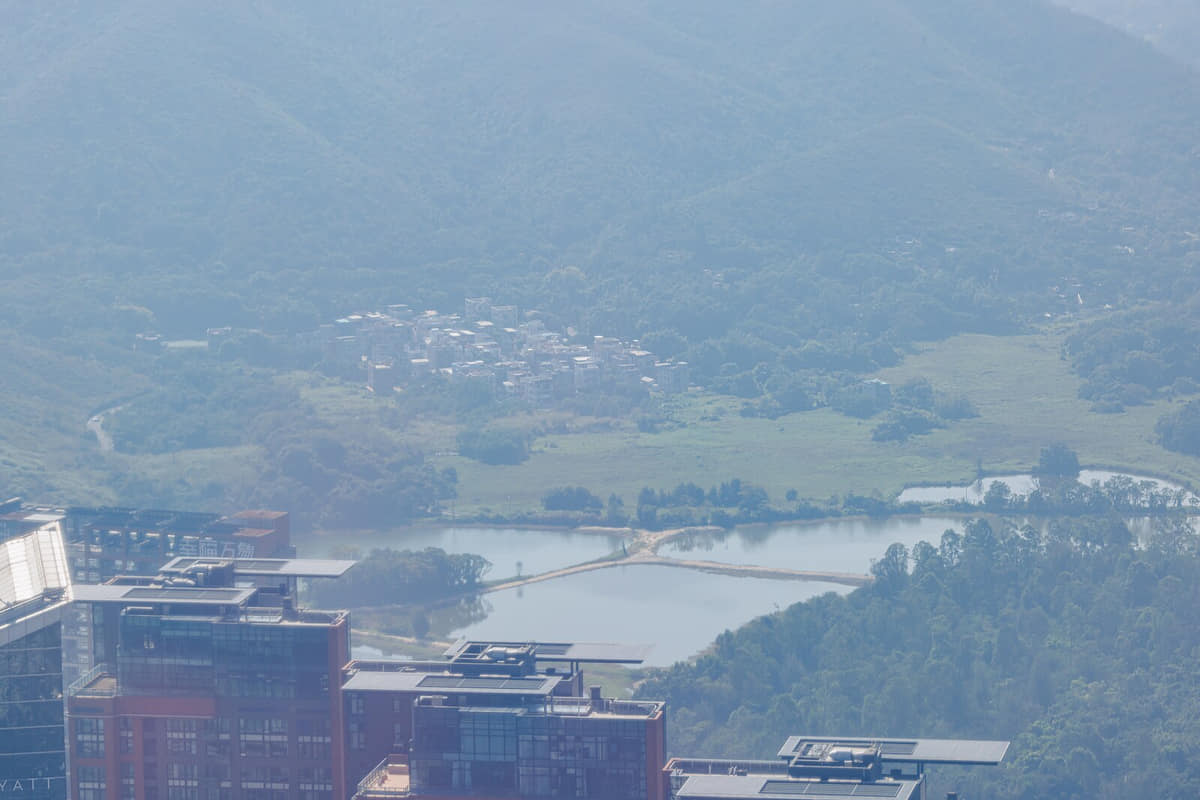
Shenzhen should be read through rapid migration, former villages, factory districts, wetlands, mountain and bay systems, electronics markets, civic architecture, and successive waves of urban reinvention.
The province guide is a regional index, not a substitute for the detailed city profiles below. Every listed city retains its own sources, scope, imagery, and editorial review.
Pearl River channels, delta plains, islands, northern mountains, and an eleven-district municipality define Guangzhou.
History
Eleven sourced layers move from estuarine geography and Nanyue archaeology through long-distance maritime exchange, Whampoa and the Thirteen Factories system, lineage architecture, nineteenth-century waterfront change, twentieth-century roads and civic buildings, repair and reuse, and the contemporary eleven-district metropolis.
Food and daily life
Fourteen entries treat Guangzhou food as a social and technical system rather than a dish checklist: yum cha, rice rolls, noodle shops, roast meats, white-cut chicken, milk desserts, congee, soups, wok heat, aquatic foods, claypot rice, herbal tea and a wider metropolitan table, ending with explicit allergen and menu-safety guidance.