
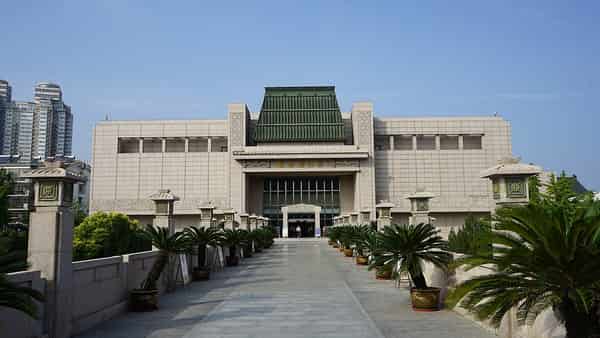
Xuzhou's strategic position is visible in different infrastructures: Han burial landscapes, canal towns, railway yards, mining districts, farms, and present-day logistics.[1][2][3][4]
Evidence is distributed across Huai River transition plain, Grand Canal corridor, Yunlong Mountain and lake, Rail hub and outer agricultural counties, as well as museums, working neighborhoods, district and county routes, and local collections.[1][2][3][4]
Xuzhou is best understood as connected systems rather than a single attraction.[1][2][3][4]
The account distinguishes documented facts from interpretation, avoids political positioning and fixed community stereotypes, and leaves room for different residents' experiences.[1][2][3][4]
What does this reveal about Xuzhou?
Xuzhou is a plain-and-rail hub where Han tomb archaeology, stone reliefs, the Grand Canal, Yunlong landscape, coal and industrial memory, county agriculture, and transport networks converge.[1][2][3][4]