
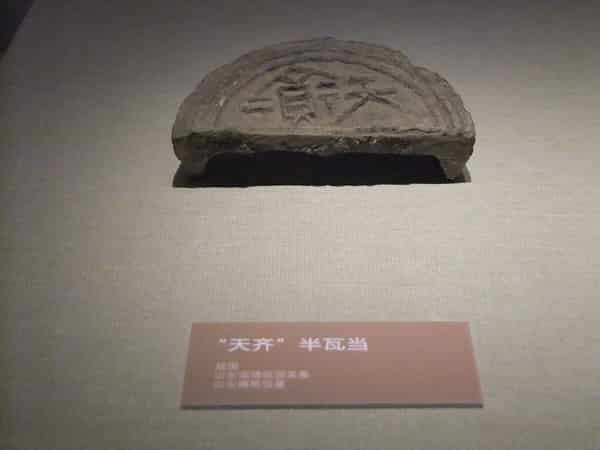
Archaeology, trade, mining, ceramics, glass, chemicals, rail, administration, and mountain agriculture developed in different districts, leaving a deliberately polycentric city.[1][2][3][4]
Evidence is distributed across Northern Shandong plain, Xiaofu River industrial corridor, Boshan and Yiyuan hills, Linzi, Zhangdian, Zhoucun, and Boshan centers, as well as museums, working neighborhoods, district and county routes, and local collections.[1][2][3][4]
Zibo is best understood as connected systems rather than a single attraction.[1][2][3][4]
The account distinguishes documented facts from interpretation, avoids political positioning and fixed community stereotypes, and leaves room for different residents' experiences.[1][2][3][4]
What does this reveal about Zibo?
Zibo is a polycentric city of Linzi's Qi archaeology, Zhoucun commerce, Boshan ceramics and glass, mining and heavy-industry memory, foothill villages, museums, agriculture, and contemporary food culture.[1][2][3][4]