
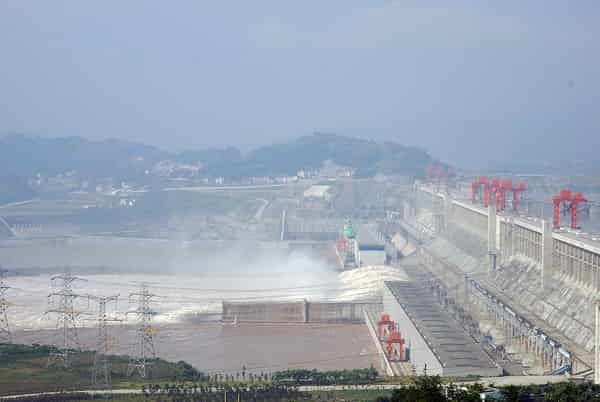
Navigation, ports, dams, electricity, resettlement, conservation, tourism, farming, and community archives reveal different consequences of managing a gorge river.[1][2][3][4]
Evidence is distributed across Yangtze and Xiling Gorge, Qingjiang River valley, Wufeng and Changyang mountains, Eastern plain and citrus terraces, as well as museums, working neighborhoods, district and county routes, and local collections.[1][2][3][4]
Yichang is best understood as connected systems rather than a single attraction.[1][2][3][4]
The account distinguishes documented facts from interpretation, avoids political positioning and fixed community stereotypes, and leaves room for different residents' experiences.[1][2][3][4]
What does this reveal about Yichang?
Yichang is a Yangtze-gorge municipality where Xiling landscapes, hydropower systems, Qingjiang valleys, Ba and Chu archaeology, tea and citrus agriculture, Tujia community records, port work, and mountain counties meet.[1][2][3][4]