
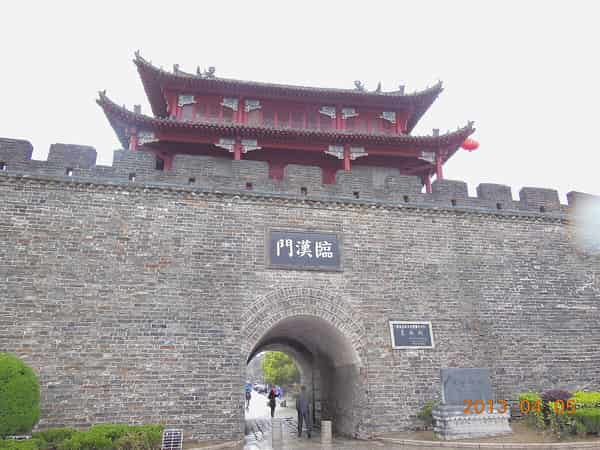
Walls, ferries, roads, markets, military memory, industry, and bridges repeatedly reorganized movement between the river's two banks and wider basin.[1][2][3][4]
Evidence is distributed across Han River corridor, Xiangyang–Fancheng twin-bank core, Nanzhang and Baokang mountains, Zaoyang and Yicheng plain, as well as museums, working neighborhoods, district and county routes, and local collections.[1][2][3][4]
Xiangyang is best understood as connected systems rather than a single attraction.[1][2][3][4]
The account distinguishes documented facts from interpretation, avoids political positioning and fixed community stereotypes, and leaves room for different residents' experiences.[1][2][3][4]
What does this reveal about Xiangyang?
Xiangyang is a Han River city of walls and ferries, Longzhong literary memory, Chu archaeology, industrial corridors, Nanzhang mountains, Zaoyang plain, county markets, and several language and food zones.[1][2][3][4]