
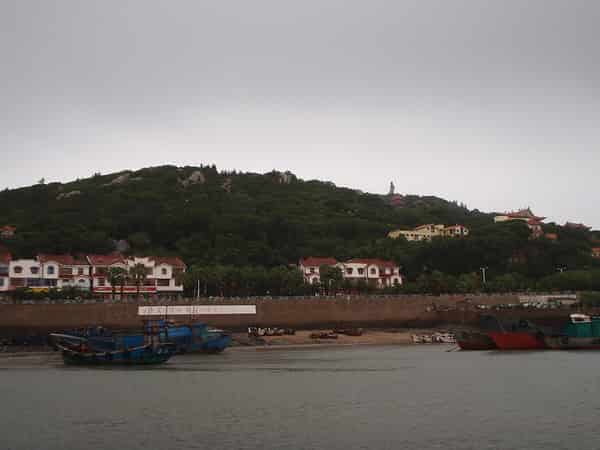
Mulan Weir organized the plain's water and farming, while Meizhou pilgrimage, migration, fishing, craft, and later manufacturing connected Putian far beyond the estuary.[1][2][3][4]
Evidence is distributed across Mulan River and Xinghua plain, Xinghua Bay, Meizhou and coastal islands, Western hill counties and reservoir valleys, as well as museums, working neighborhoods, district and county routes, and local collections.[1][2][3][4]
Putian is best understood as connected systems rather than a single attraction.[1][2][3][4]
The account distinguishes documented facts from interpretation, avoids political positioning and fixed community stereotypes, and leaves room for different residents' experiences.[1][2][3][4]
What does this reveal about Putian?
Putian is an estuary-and-bay city shaped by Mulan Weir, Xinghua plain farming, Mazu pilgrimage on Meizhou Island, Puxian opera, woodcarving, shoe manufacturing, fishing villages, and coastal wetlands.[1][2][3][4]