
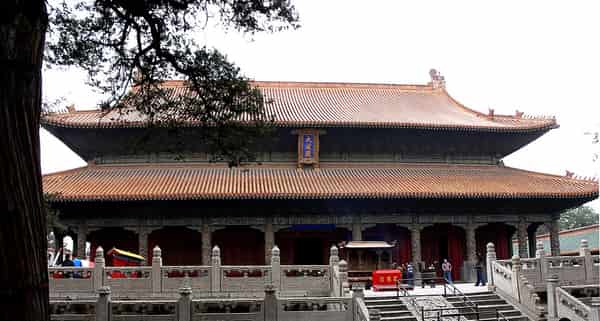
Schools, ritual sites, archives, canal labor, fishing, mining, farming, markets, and county towns form several connected systems rather than one heritage district.[1][2][3][4]
Evidence is distributed across Grand Canal corridor, Weishan Lake wetlands, Sishui and eastern foothills, Western agricultural and coalfield plain, as well as museums, working neighborhoods, district and county routes, and local collections.[1][2][3][4]
Jining is best understood as connected systems rather than a single attraction.[1][2][3][4]
The account distinguishes documented facts from interpretation, avoids political positioning and fixed community stereotypes, and leaves room for different residents' experiences.[1][2][3][4]
What does this reveal about Jining?
Jining is a Grand Canal and lake municipality linking Qufu and Zoucheng's classical heritage, canal towns, Weishan wetlands, stone carving, mining and manufacturing districts, agricultural counties, and living performance traditions.[1][2][3][4]