
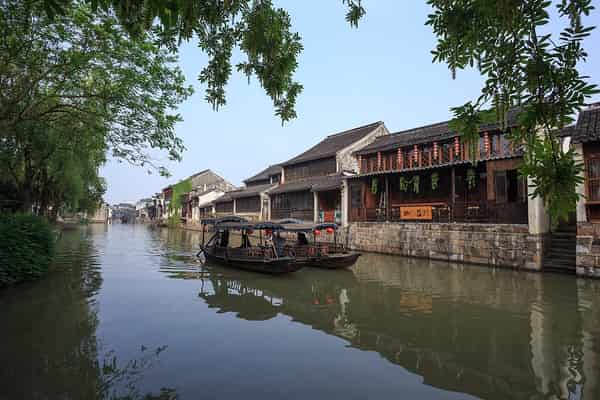
Water routes supported silk towns and lake livelihoods, while western mountains added bamboo, tea, resorts, and very different village economies.[1][2][3][4]
Evidence is distributed across Southern Taihu shoreline, Grand Canal and canal plain, Moganshan hill country, Anji bamboo mountains, as well as museums, working neighborhoods, district and county routes, and local collections.[1][2][3][4]
Huzhou is best understood as connected systems rather than a single attraction.[1][2][3][4]
The account distinguishes documented facts from interpretation, avoids political positioning and fixed community stereotypes, and leaves room for different residents' experiences.[1][2][3][4]
What does this reveal about Huzhou?
Huzhou joins Taihu's southern shore, Nanxun's canal architecture, silk and brush traditions, Moganshan, Anji bamboo and tea landscapes, manufacturing towns, wetlands, and village economies.[1][2][3][4]