
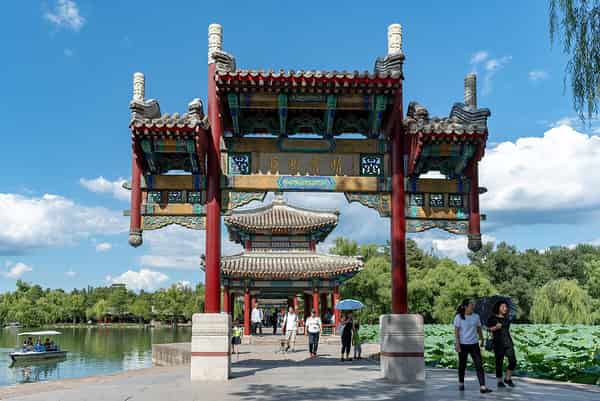
The celebrated resort is only one layer of a municipality extending through temple precincts, Great Wall valleys, farming counties, pastoral plateau, and managed forest.[1][2][3][4]
Evidence is distributed across Wulie River urban basin, Yanshan mountain valleys, Bashang plateau in the north, Luan River basin and forest landscapes, as well as museums, working neighborhoods, district and county routes, and local collections.[1][2][3][4]
Chengde is best understood as connected systems rather than a single attraction.[1][2][3][4]
The account distinguishes documented facts from interpretation, avoids political positioning and fixed community stereotypes, and leaves room for different residents' experiences.[1][2][3][4]
What does this reveal about Chengde?
Chengde links an imperial resort and temple landscape with mountain counties, plateau pasture, Luan River valleys, forest management, and contemporary urban life.[1][2][3][4]